
Did you know? Pressure washer injuries send thousands to the ER each year—prevention starts with a diligent safety checklist.
A Startling Truth: Why a Pressure Washing Safety Checklist Is Vital for Every Jobsite
Pressure washer injuries send thousands to the ER each year—prevention starts with a diligent safety checklist.
Pressure washing is an everyday necessity on construction sites and in industrial settings. Yet, despite its routine nature, operating a pressure washer can be hazardous. Each year, countless workers suffer injuries ranging from minor lacerations to life-altering wounds—accidents often caused by overlooked steps or missing safety precautions. The pressure washing safety checklist is not just a set of guidelines. It is a proven, practical tool that protects lives, prevents potential damage, and streamlines daily operations. By embracing a robust inspection checklist, your team can avoid hazards and injuries that are easily preventable. This guide aims to equip you with a comprehensive safety framework that goes far beyond the basics, spotlighting the critical elements that keep your crew safe and your jobsite compliant. Whether you’re a seasoned foreman or a new operator, this essential content will show you why implementing a safety checklist is not a suggestion—it’s a necessity for every jobsite.
Understanding the Impact of Jobsite Accidents: The Importance of Pressure Washer Safety
Jobsite accidents involving pressure washers are far more common—and severe—than many realize. High-pressure water jets can cut through skin and tissue, sometimes even reaching bone. Beyond the physical trauma, these incidents often result in costly downtime, legal complications, and lasting psychological effects for both the injured and their colleagues. When pressure washing is treated as routine, it’s easy for critical steps—like activating trigger lockouts or inspecting the pressure gauge—to be forgotten during a busy day. This is exactly why a strict inspection checklist is your frontline defense. By anchoring your safety routine around documented, repeatable checks, your crew can consistently mitigate the risk of water blast injuries, electrical accidents, and chemical exposure. OSHA requirements and best practices are there to serve a purpose: protecting your workforce from the unseen but ever-present dangers of industrial pressure washing.

How a Pressure Washing Safety Checklist Saves Lives and Protects Your Team
A properly implemented pressure washer safety checklist is the single most effective way to prevent workplace injuries and equipment failure. This checklist acts as both a proactive maintenance routine and a live record of jobsite readiness. Each check—be it for the heat exchange system, nozzle condition, or site cleanliness—reduces the odds of sudden breakdowns or hazardous incidents. When you make this checklist part of your regular toolbox talk, you create a culture of accountability and awareness. Every team member knows exactly what to look for, how to report issues, and when to escalate concerns to supervisors. This approach is not just a “good idea”—it’s the industry standard for anyone operating a pressure washer in a commercial or industrial environment. The difference between a safe day and a serious accident is often a checklist fully completed and understood by everyone on site.
To further enhance your team's safety protocols, consider integrating technology into your daily routines. Leveraging digital tools can streamline your inspection process and ensure no critical step is missed. For a practical look at how modern solutions can support your pressure washing operations, explore how AI-powered video tools are transforming pressure washing business practices and improving both safety and efficiency on the jobsite.
What You'll Learn in This Pressure Washing Safety Checklist Guide
- Key components of a comprehensive pressure washing safety checklist
- Critical steps for pressure washer maintenance and inspection
- Best practices for industrial pressure washer operations
- Common jobsite hazards and how to avoid them
- How to conduct toolbox talks effectively
Core Elements of a Pressure Washing Safety Checklist
Inspection Checklist: Daily Walk Around and Equipment Assessment
- Visual walk around checklist for hoses, nozzles, and fittings
- Pressure gauge and heat exchange checks
- Review of industrial pressure washer safety features
The heart of every inspection checklist is the daily walk around and equipment assessment. Before operating a pressure washer, it’s critical to complete a visual inspection of all hoses, fittings, and nozzles to ensure they’re free from wear, cracks, or leaks. Even a minor leak under high industrial pressure can quickly escalate into a dangerous water blast or equipment malfunction. Next, check the pressure gauge and heat exchange system to make sure they’re operating within safe limits—overlooked steam leaks or fluctuating pressure are often early signs of potential damage. Finally, pay careful attention to safety features like trigger lockouts and emergency stops. They must be functional and tested every day. This routine is not merely a formality; it’s a foundational process that head-offs potential disasters and reinforces a culture of vigilance around every industrial pressure washer on your site.

Personal Protective Equipment (PPE) for Pressure Washing Operators
- Mandatory gear: gloves, goggles, waterproof boots
- Additional site-specific PPE
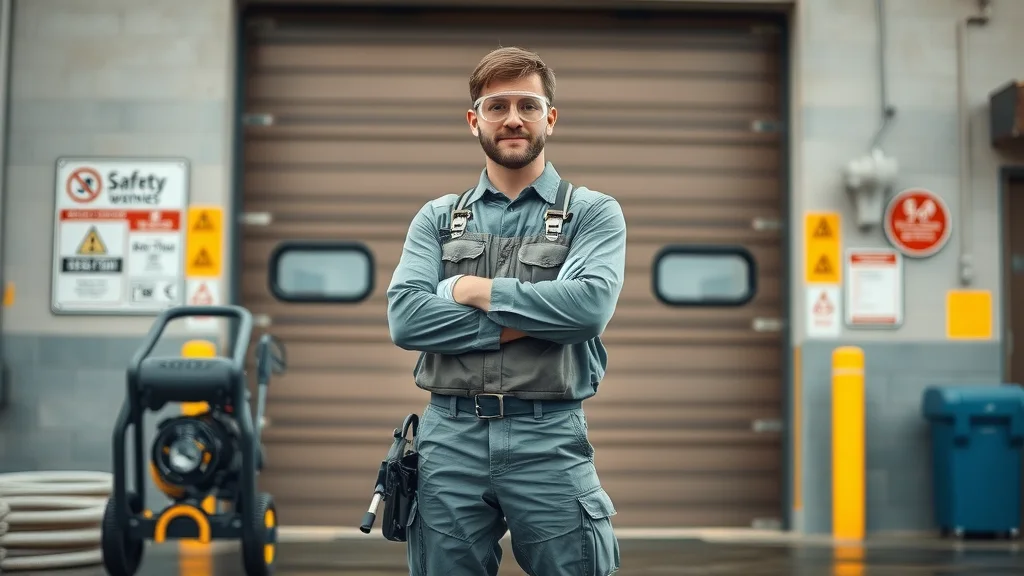
Wearing the right personal protective equipment (PPE) is a non-negotiable safety precaution for anyone working with or near a pressure washer. The standard PPE kit includes industrial-grade gloves to prevent lacerations from high-pressure spray, impact-resistant goggles to shield eyes from flying debris, and waterproof boots that minimize the risk of slips and electrical shock. Depending on the chemicals or surfaces involved, additional PPE, such as chemical-resistant aprons, hearing protection, or full-face shields, may be required. Site-specific hazards will dictate what else is necessary. It’s vital that all team members are briefed during each toolbox talk about the PPE requirements specific to their tasks. Consistent use of appropriate PPE is the simplest and most effective way to reduce hazards and injuries during pressure washing operations.
Toolbox Talk: Safety Training and Jobsite Communication
- Preparing and documenting toolbox talks
- Key talking points for pressure washer hazards
Starting each shift with a focused toolbox talk is one of the best ways to keep jobsite safety at the forefront and ensure everyone is reminded of key hazards. During the talk, discuss the day’s specific tasks, review the walk around checklist, and remind the crew of site-specific risks, such as wet walkways, power cable routing, or introducing new chemicals for cleaning. Document every toolbox talk—keep attendance records and highlight particular incidents or near-misses from previous jobs. Make it a habit to rotate speakers, involve the crew by asking for recent observations, or demo the correct way to include an inlet filter check on the pressure washer. This approach engages everyone and reinforces accountability, making safety a shared responsibility and cultivating a safer work environment for all.
Pressure Washer Maintenance: Foundation for Safe Operations
Essential Washer Maintenance Checklist
- Regular component checks for industrial pressure
- Nozzle and hose inspection
- Heat exchange and lubrication requirements
Routine washer maintenance is mission-critical for extending equipment life and avoiding sudden failure that could lead to hazards and injuries. Each maintenance cycle should start with a checklist covering high-stress components: inspect all hoses for abrasions or bulges, scrutinize nozzles for clogs or deformities, and check connectors for tightness and corrosion. Pay close attention to the heat exchange system—clean the burner fuel liner, monitor for leaks, and ensure pressure gauge readings match standard operating ranges. Lubricate moving parts according to the manufacturer’s cleaning schedule. Neglecting even one step can turn a minor problem into a significant failure, with the risk of water blast incidents or fire hazards due to malfunctions in the industrial pressure washer’s heat exchange or lubrication system.
Preventive Steps for Pressure Washing Success
- Monitoring pressure gauge and leak points
- Signs of wear on equipment and remedy actions
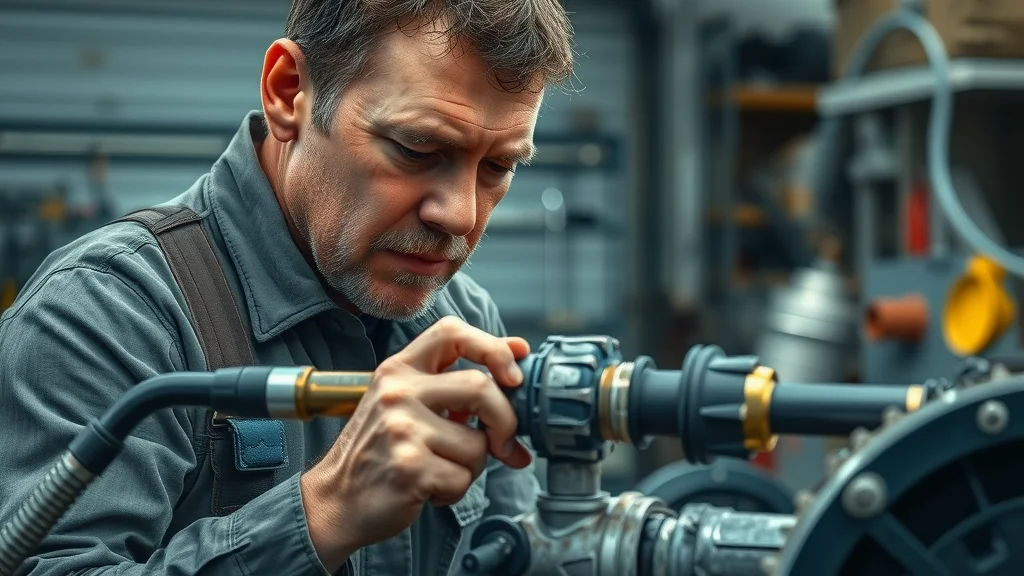
Over time, even the toughest industrial pressure washer components will show signs of wear—cracked hoses, worn seals, or faulty pressure gauges can all pose serious risks if left unchecked. Developing a habit of monitoring key points—especially leak-prone joints, connection fittings, and the heat exchange area—will spot issues early. If you see water pooling, steam escaping, or the pressure gauge fluctuating abnormally, it’s best to pause operations immediately and diagnose the issue. Document each find on your inspection checklist and initiate repairs before resuming work. Release any pressure in the hose before disassembling, and keep a cleaning schedule to regularly remove any debris that could impede the burner fuel liner or coil. These proactive steps lower the chance of major breakdowns, save repair costs, and foster a jobsite culture where safety precautions and pressure washer maintenance are second nature.
Jobsite Hazards: Recognizing and Preventing Pressure Washing Accidents
| Hazard | Description | Prevention Step |
|---|---|---|
| High-Pressure Injuries | Water jet wounds, lacerations | Wear PPE, follow inspection checklist |
| Electrical Risks | Shock from exposed wiring | Ground all equipment, dry handling |
| Chemical Exposure | Cleaning fluid burns | Use proper gloves, goggles |
| Slips & Falls | Wet, uneven surfaces | Proper footwear, clear walkways |
Hot Water and Industrial Pressure Washer Safety Practices
- Safe use of heat exchange systems
- Controlling industrial pressure to reduce accident risk
Industrial pressure washers with hot water and powerful heat exchange systems require extra vigilance. Always check that the burner fuel liner, coil, and water heating controls are in top condition—never operate with leaks or obstructed vents. For safe operation, set pressure limits according to manufacturer specs, particularly when working on new surfaces or with untrained operators. Familiarize the team with the emergency shutoff and trigger lockout features, especially when handling hotsy water blast units. Emphasize during each toolbox talk that industrial pressure settings should only be adjusted by authorized personnel and that routine maintenance—such as cleaning the heat exchanger or checking belt tension—should never be skipped. These practical steps cut the risk of catastrophic failure, burns, or expensive downtime caused by overlooked details.
Incorporating an Inspection Checklist into Daily Pressure Washing Routines
Building a Reliable Walk Around Checklist
- Consistency in inspections before every job
- Documenting findings and flagging hazards
Consistency is key when embedding the walk around checklist into your pressure washing routine. Before starting any job, perform the same sequence of visual checks—review hoses, inspect the nozzle, and confirm that heat exchange systems are clear. Use this checklist not just as a memory aid, but as a detailed log: note every minor crack, leak, or potential hazard, no matter how small. Document your findings daily and communicate any urgent issues directly to the supervisor or maintenance crew. Flagging hazards early and acting on them right away can prevent more costly repairs and hazardous incidents. Over time, your checklist becomes a living record that helps you spot trends and improve overall jobsite safety—making every inspection count.

Digital vs. Paper Safety Checklists for Pressure Washing
- Mobile apps for quick field documentation
- Benefits of real-time updates and record keeping
The modern jobsite is quickly transitioning from traditional paper checklists to digital platforms and mobile apps. Digital safety checklists allow real-time documentation of inspections on-site, ensuring nothing is missed and making it easy to update records on the fly. Field workers can snap photos of wear or potential damage, flag issues instantly, and send updates directly to supervisors or maintenance teams—improving both speed and accuracy. Plus, digital checklists are less likely to be lost, damaged by water, or forgotten. For sites with frequent audits or compliance checks, choosing a digital solution offers accessible, searchable records and stronger data security. That said, some teams may still prefer the tactile, pen-and-paper record for certain jobs. The best choice is one that ensures absolute consistency and accountability in your pressure washer safety program.

Watch a dynamic, step-by-step walkthrough video of a professional team performing a complete pressure washing jobsite safety checklist, including equipment inspections, PPE checks, and toolbox talk demonstration, shot on location at an industrial site with clear visuals of real procedures and safety gear.
Pressure Washing Safety Checklist: FAQs Answered
What are the OSHA requirements for pressure washing?
OSHA does not have specific standards solely for pressure washing, but relevant regulations include requirements for personal protective equipment, lockout/tagout of electrical connections, and maintaining a safe work environment. Employers must provide training, enforce PPE usage, and regularly update the inspection checklist to align with general industry standards. Always consult current OSHA guidelines and ensure that your policies address all aspects of operating a pressure washer safely.
What are the safety precautions for pressure washers?
Key safety precautions include always inspecting equipment before use, wearing mandatory PPE like gloves and goggles, verifying that all electrical connections are dry and properly grounded, and never bypassing trigger lockout features. Only operate a pressure washer when all safety interlocks are functional, and hold toolbox talks to reinforce jobsite hazards, correct techniques, and chemical handling protocols. Stay alert for hazards such as leaks, damaged hoses, or improper nozzle use.
Do you need an LLC to power wash?
While you do not legally require an LLC to operate a pressure washing service, registering your business as an LLC is a good idea for liability protection and credibility. It can shield your personal assets in case of an accident or property damage claim. Whether you're using industrial pressure washers on a large construction site or operating a mobile service, proper business registration, insurance, and adherence to safety checklists are key to professionalism and compliance.
What is the pre use checklist for a pressure washer?
A pre-use inspection checklist for a pressure washer includes reviewing hoses for cracks, checking all fittings and the pressure gauge, verifying trigger lockout functionality, ensuring the machine is properly grounded, inspecting the nozzle for blockages, and confirming there are no signs of leaks on the heat exchange or burner fuel liner. Additionally, make sure the job area is free of debris, PPE is worn, and all safety interlocks are tested before operation.
See real-world examples of common safety oversights—like skipping a walk around checklist, neglecting nozzle inspections, or ignoring pressure gauge anomalies—that can lead to dangerous incidents with industrial pressure washers. Each mistake is analyzed with practical solutions to implement immediately.
Key Takeaways From the Ultimate Pressure Washing Safety Checklist
- Structured inspection checklist reduces on-the-job risks
- Regular washer maintenance keeps equipment safe and reliable
- PPE and toolbox talks are critical for compliance and protection
Conclusion: Elevate Safety with a Robust Pressure Washing Safety Checklist
Start every job with a dedicated safety checklist to protect your crew, safeguard your equipment, and foster a culture of vigilance.
If you’re ready to take your safety culture to the next level, consider how innovative strategies and technology can further enhance your operations. Exploring advanced approaches—such as integrating AI-driven tools for training, documentation, and marketing—can help your business stand out while maintaining the highest safety standards. For a deeper dive into how these cutting-edge solutions are reshaping the industry, discover the benefits of revolutionizing your pressure washing business with AI-powered video tools. Embracing these advancements not only streamlines compliance but also positions your team for long-term growth and success in a competitive market.





Write A Comment