
Did you know that nearly 30% of new hires in the pressure washing industry quit within the first month due to poor onboarding? That’s right—rushed introductions, vague expectations, and lackluster training can cost your washing business more than you think. The first 30 days are make-or-break for a pressure washing tech’s success. If you want to build a reliable and motivated crew, a proven pressure washing employee onboarding process is your secret weapon. In this playbook, you’ll discover an approachable, step-by-step employee onboarding process tailored for the pressure washing business so your newest team members can thrive, reduce costly turnover, and deliver spotless results from their very first job site.
Unlocking Success in the Pressure Washing Employee Onboarding Process: A Surprising Statistic
The strength of your team can be traced directly to how you introduce new hires to your pressure washing business. In fact, industry research shows that a well-structured onboarding process boosts employee retention by more than 50%. Considering the high turnover so common in the pressure washing industry, this is a statistic that every business owner should take seriously. Whether you're gearing up to start a pressure washing company or looking to sharpen your existing process, focusing on onboarding delivers a competitive edge.
Successful onboarding of pressure washing techs doesn’t stop at formalities. The pressure washing employee onboarding process must build a foundation in equipment safety, customer service, and teamwork. When you support your team’s growth from day one, you cultivate a culture of accountability and professionalism. With prepared techs, each job site visit becomes an opportunity to boost your company’s reputation and foster client trust. Let’s unpack everything you need for an effective onboarding journey.

What You'll Learn from This Pressure Washing Employee Onboarding Process Playbook
- The key phases of the pressure washing employee onboarding process for new techs
- Regulatory and OSHA guidelines affecting pressure washing businesses
- Setting clear job expectations on Day 1
- The right pressure washing equipment and its safe operation
- Effective hands-on training methods for pressure washing teams
- Performance tracking within the pressure washing employee onboarding process
- Retention strategies especially for pressure wash businesses
Pressure Washing Business and Employee Onboarding: Laying the Groundwork
Why a Structured Pressure Washing Employee Onboarding Process Matters
For any washing business, investing in a step-by-step employee onboarding process is the smartest way to ensure consistent quality. Without it, there’s a real risk of property damage, missed jobs, or frustrated customers—which can quickly tarnish your brand. A documented onboarding guides new wash technicians through equipment basics, pressure washing safety, and preferred company protocols. This commitment to clarity helps turn rookies into reliable, safety-aware techs who represent your business well at every job site.
"Not having a documented pressure washing employee onboarding process sets your business up for preventable mistakes." – Industry Expert
Experienced pressure washers know that good habits build a career in this industry. By sharing your expectations and standard procedures from the start, you help new hires develop the right work ethic and skills. Whether it’s how to use a surface cleaner properly or manage customer expectations, these early lessons shape performance long into their role. When onboarding is an active, ongoing process, your pressure washing business can scale safely and sustainably.
Common Pitfalls in Pressure Washing Business Onboarding
- Skipping equipment training
- Inadequate safety briefings
- Lack of feedback channels
Many businesses make the mistake of rushing new hires onto the job site without first giving them thorough hands-on experience with pressure washing equipment. This oversight can cause stress, injuries, and even costly damage. Another common pitfall is neglecting regular check-ins or setting up channels for feedback. Without open communication, new employees often feel unsupported or unsure of expectations. Clear, ongoing feedback is essential in every phase of the pressure washing employee onboarding process to build confidence and skill.
Day 1 of the Pressure Washing Employee Onboarding Process: First Impressions Count
Welcoming Your New Pressure Washing Tech
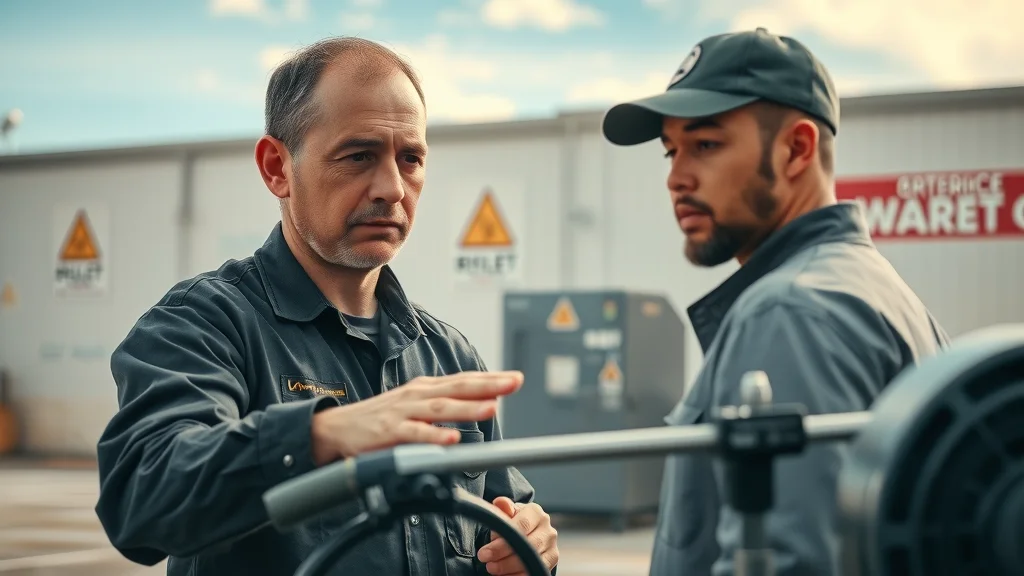
The first day is your best opportunity to create a lasting positive impression on your new wash technician. Begin with a welcoming introduction to the team, a walkthrough of the company culture, and some background on what makes your washing business successful. Offering a quick guide to the pressure washing employee onboarding process lets new hires see you’re invested in their growth. This is also the time to outline the company’s core values and the standards for a well-run job site—including punctuality, client communication, and safe equipment operation.
Pairing your new pressure wash technician with an experienced mentor for the first week is a great way to encourage learning and build camaraderie. Introduce expectations about PPE (personal protective equipment), work attire, and safety routines right away. An open discussion lets new team members ask questions, feel valued, and start developing the right work ethic from day one. Remember, first impressions set the tone for loyalty and motivation.
Admin and Documentation Setup for Pressure Washing Businesses
- W-4 and I-9 completion
- OSHA acknowledgment forms
- Digital access to your pressure washing employee onboarding process materials
Admin paperwork may seem tedious but is crucial. On day one, make sure every new hire completes all necessary HR forms, including tax documentation and background check authorizations if required. OSHA acknowledgment forms are particularly important for the washing industry, showing that your business is serious about compliance and safety. For a streamlined onboarding process, offer digital access to training videos, checklists, and updated manuals on equipment and job site protocol. By organizing these materials, you empower new techs to quickly reference key information for successful power wash jobs.
Safety First: OSHA Guidelines in the Pressure Washing Employee Onboarding Process
What are the OSHA guidelines for pressure washing?
OSHA prioritizes the health and safety of employees working in hands-on environments like pressure washing. Compliance starts with providing and documenting PPE—such as gloves, goggles, and ear protection—for all new hires. OSHA also requires that your onboarding process include explicit safety briefings around high-pressure equipment, chemical use, and job site hazards. Every pressure washing business should have written safety procedures detailing machine shut-off, handling detergents, and managing power wash injuries or incidents. Training new employees on these standards early drastically reduces the chance of costly workplace accidents and ensures your compliance during any audit or inspection.
Highlight that ongoing safety checks, routine drills, and updated training are essential elements in the pressure washing employee onboarding process. A company-wide commitment to up-to-date OSHA standards speaks volumes about your dedication as a business owner and positions new techs for a long, safe career.
Pressure Washing Equipment Safety Training
- PPE use: gloves, goggles, boots
- Machine shut-off procedures
- Chemical handling routines
Practical safety training is critical from day one. Ensure new hires understand the importance of wearing proper PPE, including gloves, goggles, boots, and (when necessary) ear protection to prevent injury. Demonstrate step-by-step machine start-up and emergency shutdown procedures to ensure every tech can respond quickly in case of malfunction. Cover the safe storage, dilution, and use of cleaning chemicals to prevent hazardous exposure or property damage—two of the main risks in the washing industry. Integrate brief quizzes or hands-on practice into your onboarding program for better retention of safety concepts.
Training should be interactive, allowing new employees to ask questions and handle equipment under experienced supervision. This way, they learn to recognize job site hazards, assess risks, and proactively prevent accidents, benefiting both the tech and your business’s reputation for safety and reliability.
Hands-On Learning: Pressure Washing Equipment and Methods
Demonstrating the Use of All Pressure Washing Equipment
New pressure washing techs should begin with live demonstrations of all essential gear—down to the last nozzle and surface cleaner. Experienced trainers should guide new hires through equipment basics, covering set-up, pressure adjustment, tool differences (power washer, surface cleaner, hoses, safety triggers), and proper cleaning techniques for flatwork and vertical surfaces. Visual learners especially benefit from watching and replicating these demonstrations in a controlled environment.
Training should also highlight the unique aspects of each piece of pressure washing equipment. For example, knowing when to use a surface cleaner instead of a standard wand or how to adjust the PSI to avoid costly property damage are practical skills that set professional wash technicians apart. Confidence in handling all types of pressure washing gear minimizes downtime and boosts job site efficiency right away.
Practice Sessions: Safe Pressure Wash Techniques
- Flatwork vs. vertical washing
- Surface assessment and preparation
- Avoiding equipment and property damage
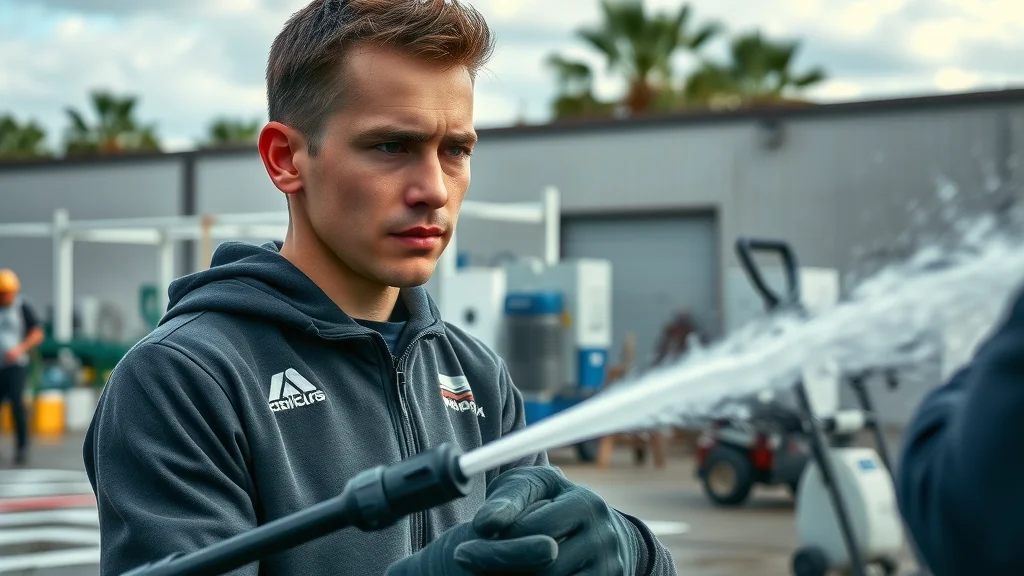
After demonstration, hands-on practice solidifies skills. Assign new hires to practice both flatwork (such as driveways and sidewalks) and vertical surfaces (like siding or fencing). Effective onboarding always includes side-by-side practice with a senior tech, so real-time feedback and correction are immediate. Include tips for assessing surfaces—checking for cracks, delicate materials, or paint that might flake under pressure—to protect your client’s property and reputation.
Teach the importance of prepping each job site, from clearing the work zone to identifying utility connections and obstacles. Proactive preparation helps avoid the most common types of property damage and ensures a smooth workflow. Over several sessions, gradually increase the responsibility given to your trainee, allowing them to take the lead under supervision to build both skill and confidence.
As you refine your hands-on training, consider integrating modern marketing strategies to help your new techs understand the business side of operations. For example, leveraging AI-powered video tools can streamline your training content and even enhance your company's marketing efforts. To see how these technologies can support both onboarding and business growth, explore how AI video tools are transforming pressure washing business marketing.
Setting Job Expectations and Routes in the Pressure Washing Employee Onboarding Process
Clarifying Job Duties for New Pressure Washing Techs
- Scope of work per job
- Customer interaction guidelines
- Reporting procedures
Set clear expectations by spelling out the specific duties for each role. A new pressure wash technician should know the standard workflow for every type of job site: initial setup, surface inspection, safe operation of washing equipment, careful cleanup, and communication with clients. Establishing these routines is crucial—mistakes come when techs are unsure about job scope or hesitate to ask for help.
Integrate easy-to-follow reporting procedures for job completion, property conditions, and any incident that might occur, including near-misses. Provide guidelines for friendly, professional client interaction: greeting upon arrival, setting expectations, addressing concerns, and confirming satisfaction at the end of each job. These customer service protocols are the backbone of long-term success and word-of-mouth marketing in the pressure washing business.
Daily Route Planning in Your Pressure Washing Business
Organized operations are just as important as technical skill. Teach new hires how to plan an efficient daily route using company software or navigation apps. Cover the basics—checking the job board or app for assignments, preparing the work van with all required supplies, reviewing any special instructions, and mapping out driving routes to minimize downtime. Route planning helps ensure punctual service and maximizes the number of completed jobs without sacrificing safety or customer experience.
Make sure to also include backup plans for last-minute changes, like rescheduled jobs or equipment issues. By training pressure washing techs to prepare for the unexpected, you demonstrate what goes into professional business ownership and foster a proactive mindset in your team. This attention to detail keeps both the new employee and the business owner calm when schedules shift rapidly.

Tracking Performance: Feedback Loops in the Pressure Washing Employee Onboarding Process
Measuring Progress: First 30 Days Benchmarks
Clear benchmarks ensure your new pressure washing tech is progressing as expected. Use a simple matrix to track core skills and milestones throughout the first month. Weekly evaluations help identify strengths, areas needing improvement, and enable targeted coaching. Remember, regular feedback within the pressure washing employee onboarding process keeps new hires motivated and prevents confusion about their role.
Establishing expectations for safety protocols, wash quality, and time management from the start will yield visible improvements in job site performance. Use direct job site observation, checklists, and performance metrics to lock in each new hire's progress, ultimately benefiting client experience and business growth.
Key Benchmarks for New Pressure Washing Techs| Week | Core Skill | Standard to Achieve |
|---|---|---|
| 1 | Safety & Equipment Handling | 100% Demonstration |
| 2 | Efficient Wash Techniques | 80% Job Standard |
| 3 | Customer Interaction | Proper Etiquette |
| 4 | Route Familiarity | On-Time Completion |
Constructive Feedback in Pressure Washing Employee Development
- Weekly one-on-ones
- Performance checklists
- Setting next steps
Constructive criticism—paired with positive reinforcement—helps new employees grow fastest. Host weekly one-on-ones to review completed jobs, discuss any challenges, and address training gaps. Use a standard performance checklist to assess skills in equipment handling, surface cleaning, safety compliance, and customer service. Encourage open dialogue: ask new techs what support they need to succeed or what obstacles they’ve encountered.
Conclude each review with clear next steps, whether it’s more practice with washing equipment, shadowing a power washer expert, or taking an online safety refresher. These feedback loops help solidify knowledge, reduce turnover, and build a strong team foundation—laying the groundwork for outstanding company culture and a successful washing business.
Compensation, Pricing & Your Role in the Pressure Washing Employee Onboarding Process
How much should you charge for pressure washing?
Pricing strategy is a crucial lesson for business owners and new hires alike. Rates for pressure washing can vary depending on location, job difficulty, surface size, and business overhead. On average, pressure washing businesses charge between $0.35 to $0.77 per square foot, or $150 to $400 per standard job site. It is essential to teach techs how pricing is determined so they understand the value of their work and can answer client questions confidently.
Clear communication of rates during the pressure washing employee onboarding process sets realistic client expectations and reduces billing disputes. Empower your techs to reference marketing materials, provide estimates on the spot if needed, and explain the factors influencing cost—like time, labor, and type of surface cleaner required.
Bonus and Incentive Structures in Pressure Washing Businesses
- Performance-based bonuses
- Referral incentives
- Safety awards
Rewarding effort is the best way to keep morale high and encourage retention. Consider offering bonuses for jobs completed to standard, customer satisfaction scores, or upselling additional services like deck or patio power washing. Referral incentives are highly effective in attracting new talent; offer a sign-on or referral bonus for every new power wash technician brought in by an existing employee. Safety awards are another motivator—recognize those who maintain perfect safety records or complete extra safety training modules. Such strategies build a culture of success, accountability, and ambition within your pressure washing business.
Incorporate these incentive programs into your onboarding program materials so new hires know from day one that growth and excellence are both recognized and rewarded.

Building Lasting Engagement: Retention in the Pressure Washing Employee Onboarding Process
What percent of pressure washing businesses fail?
According to industry statistics, up to 50% of pressure washing businesses do not survive beyond their first 2 years—largely due to high turnover, client retention issues, and insufficient training programs. This underscores why investing in a robust pressure washing employee onboarding process is non-negotiable. Businesses that prioritize structured onboarding and professional development are better equipped to weather industry challenges and stand out on job boards and within their communities.
Retention begins with an employee's first experience at your company and continues through ongoing support, training programs, and opportunities to build a career. Foster commitment by making every tech feel heard, supported, and essential to the business’s long-term vision.
Retention Strategies for Your Pressure Washing Business
- Mentorship programs
- Ongoing training in advanced pressure washing operations
- Team-building events
Mentorship programs are one of the fastest ways to accelerate learning and foster loyalty. Pairing new hires with seasoned pros lets them learn by osmosis, picking up subtle tricks of the trade and soft skills vital in the field. Make professional growth a continuous journey through regular advanced training—like using specialized washing equipment or managing larger, more complex job sites.
Don’t overlook the value of team-building. Social outings, group training events, and company celebrations help cement relationships, boost morale, and create a sense of belonging. When techs feel like part of a team, they're more likely to stay, perform well, and refer friends to open positions—making recruiting for your pressure washing business easier long term.

From Classroom to Customers: Outreach in the Pressure Washing Business
How do I find clients for pressure washing?
Finding clients is a crucial part of scaling a pressure washing business and often starts during the onboarding program for new hires. Encourage techs to share business cards, ask for word-of-mouth referrals, and contribute to community events. Build a referral program where customers who recommend new clients receive discounts or additional services. Online marketing—including business listings on job sites, Google My Business, and local social media groups—amplifies reach and ensures a steady flow of qualified leads.
Train techs on how to present themselves professionally at each job site—every interaction is a chance to earn repeat business or a stellar review. With a little initiative and some basic sales tips, your crew can become a powerful marketing engine for your washing business.
Customer Service Protocols for Pressure Washing Techs
- Greeting clients upon arrival
- Setting clear expectations
- Post-job follow-up
Outstanding customer service should be emphasized in every pressure washing employee onboarding process. Techs are brand ambassadors—make sure they know how to greet clients respectfully, confirm project details, and set realistic timelines. Encourage active listening so customers feel understood, which increases the chances of positive feedback and referrals.
End each job by walking the client through the completed work, addressing any questions, and ensuring satisfaction. A simple follow-up message or call after the job reinforces professionalism, garners reviews, and often leads to future bookings. Building strong client relationships is just as critical to business success as mastering washing equipment or job site logistics.
People Also Ask: The Pressure Washing Employee Onboarding Process Answers
What are the OSHA guidelines for pressure washing?
OSHA guidelines for pressure washing focus on employee safety and hazard prevention. These include mandatory use of PPE (personal protective equipment) like gloves, goggles, boots, and sometimes masks or ear protection. Every tech must be trained in the safe start-up, operation, and shut-down of power washers, as well as the safe handling of detergents and chemicals. Employers must provide written safety policies and maintain records of training. Proper onboarding and routine refreshers help maintain OSHA compliance and protect both your team and clients.
How much should you charge for pressure washing?
Pressure washing rates vary based on region and job complexity but generally range between $0.35–$0.77 per square foot or $150–$400 per standard residential job. Custom pricing may apply for specialty services or challenging surfaces. New techs should communicate clearly with clients about pricing and discuss any variables that may affect cost, such as the use of a specialty surface cleaner, access issues, or time requirements.
What percent of pressure washing businesses fail?
It’s estimated that between 40–50% of pressure washing businesses fail in the first two years. The primary causes include high employee turnover, inadequate training, unsafe practices leading to expensive liability, or weak client retention. A documented pressure washing employee onboarding process addresses these pitfalls head-on and increases chances of long-term success.
How do I find clients for pressure washing?
Client acquisition combines traditional and digital marketing efforts—leverage local advertising, Google My Business, social media, and community involvement. Equip techs with marketing materials like business cards and branded uniforms. Positive word of mouth and online reviews are highly effective; always ask happy customers for a referral or testimonial right after a job.
FAQ: Pressure Washing Employee Onboarding Process
-
How do you train new pressure washing employees fast?
Use structured training programs, combine classroom instruction with hands-on practice, and assign mentors for real-world learning from day one. Fast-tracked onboarding covers safety, equipment basics, and client etiquette over the first week, with regular feedback to ensure understanding. -
What should be in a pressure washing safety checklist?
Your safety checklist should include PPE checks, equipment inspections, surface assessment, proper setup/teardown protocols, and guidance on chemical handling, machine shutdown, and emergency procedures. -
How do you motivate new techs in a pressure washing business?
Motivate new hires with performance-based bonuses, recognition programs, ongoing skills training, and opportunities to advance within the business. Supportive team culture and open communication also matter greatly for morale. -
What forms are required for new pressure washing employees?
Ensure new hires complete W-4 and I-9 forms, OSHA acknowledgment, background check releases (if needed), and any policy agreements required for insurance or legal compliance.
Key Takeaways: Your Pressure Washing Employee Onboarding Process in Review
- Invest in onboarding to reduce pressure washing tech turnover
- Safety and equipment knowledge must be core skills
- Retention and growth rely on consistent training and mentorship
- Client acquisition techniques should be introduced early
Ready to Build Your Pressure Washing Business?
Don’t wait: Build your pressure washing employee onboarding process today and watch your team, reputation, and bottom line grow!
If you’re eager to take your pressure washing business to the next level, consider exploring innovative strategies that go beyond onboarding. Embracing advanced marketing techniques—such as AI-driven video content—can help you reach new clients, showcase your team’s expertise, and set your company apart in a competitive market. For a deeper dive into how technology can revolutionize your marketing approach and drive sustainable growth, check out this guide to leveraging AI tools for pressure washing business marketing.




Write A Comment