
Add Row
Add Element
cropper
update

PRESSURE WASHING TRIBE

update
Add Row
Add Element
cropper
update
Pressure Washing Tribe
cropper
update
December 21.2025
1 Minute Read

How to Find, Hire, and Keep Great Pressure Washing Technicians in a Tough Labor Market

In today’s competitive labor market, over 65% of pressure washing businesses cite labor shortages as their top challenge. If you’re struggling to find, hire, and retain reliable pressure washing technicians, you’re not alone. This complete guide will equip you with actionable tips, insider strategies, and step-by-step approaches—from sourcing applicants to turning new hires into seasoned pros. Let’s help you build a power wash team that stands out, even when the talent pool feels dry.

Why Hiring Pressure Washing Technicians Is Harder Than Ever

"According to recent industry reports, over 65% of pressure washing businesses cite labor shortages as their top challenge."
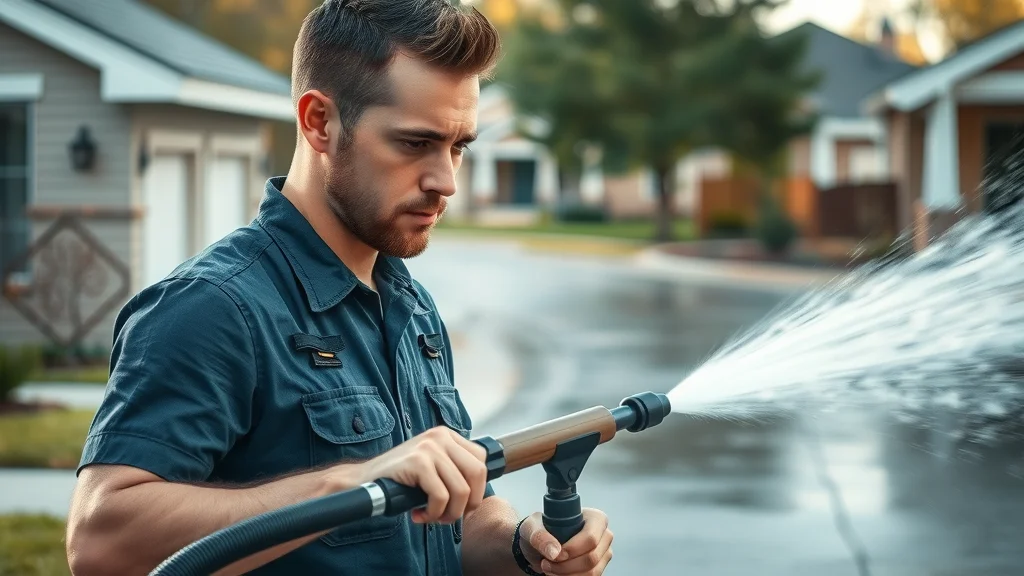
Determined pressure washing technician confidently operating a professional-grade pressure washer in a residential driveway—hiring pressure washing technicians

The Current State of the Pressure Washing and Power Washing Job Market

The demand for power washing and window cleaning services is quickly outpacing the available workforce. With more homeowners and businesses prioritizing clean, presentable spaces, opportunities for skilled pressure wash technicians abound. Yet, as more service companies spring up, the talent pool of experienced candidates thins. Many pressure washing companies report seeing fewer qualified applicants, with a shift toward applicants lacking proper training or certifications. For those seeking to start browsing jobs in this field, the competition is fierce on both sides—employers want reliability, while job seekers look for flexibility and career growth.

On top of the high demand, the nature of pressure washing service itself is demanding. It’s hard work—technicians require not only stamina and mechanical ability but also customer service finesse. Some job seekers are drawn to more flexible roles or industries with less physical labor. If you want to attract committed technicians, you’ll need to offer more than a basic paycheck and ensure candidates see genuine opportunity in power washing services. These market realities demand a new, strategic approach to hiring pressure washing technicians.

Labor Market Trends Impacting Hiring Pressure Washing Technicians

Several trends have converged to make hiring pressure washing technicians even more challenging. The rise of gig economy jobs means many candidates are browsing jobs that offer flexible schedules or no long-term commitment. Competing service industries—like landscaping or janitorial work—can siphon away potential hires. In addition, post-pandemic shifts drove up wage expectations in skilled trades, making it tougher for small outfits to keep up with the top companies in terms of pay and benefits.

Beyond pay, prospective employees also seek stability, transparent career progression, and a positive work culture. Addressing these interests and personal aspects is now crucial. All these factors ultimately affect how you position your pressure washer job listings and what you offer new team members. Adaptability, creativity, and genuine investment in your technicians can set your company apart in this competitive hiring landscape.

What You'll Learn About Hiring Pressure Washing Technicians

  • Key strategies for sourcing top pressure washing and power washing talent
  • Practical tactics to increase technician retention
  • Competitive compensation benchmarks for pressure washing jobs
  • How to create attractive pressure washer job listings
  • Mistakes to avoid when hiring pressure washing technicians

Where to Find Top Pressure Washing Technicians for Hire

Finding the right candidates for your pressure washing service can be challenging but targeting the right sources increases your odds of attracting high-quality applicants. Start by thinking beyond just skill level—focus on reliability, communication skills, and a willingness to learn. Actively recruiting through both traditional and creative channels will ensure your talent pool is robust and diverse.

Building relationships with local trade programs and leveraging your connections in the window cleaning and power washing communities can yield direct referrals for technician roles. At the same time, strengthening your business’s employer brand—by showcasing positive workplace culture and growth opportunities—will attract the hard-working individuals needed to drive your washing service forward.

Best Practices for Pressure Wash Hiring: Using Online Platforms, Agencies, and Networking

Collaborative business team interviewing candidates for pressure washing technician jobs in a bright office—pressure washing hiring

The most effective hiring managers understand that the days of posting a single ad and waiting for a flood of candidates are gone. Today, use multiple recruitment channels: online job boards like Indeed, ZipRecruiter, and LinkedIn are essential for reaching wider pools of technicians interested in power washing services. Consider staffing agencies specializing in trades, which pre-vet candidates and streamline background checks, making your hiring process more efficient.

Networking remains powerful—attend local trade shows, join industry groups, and collaborate with nearby window cleaning or janitorial companies. These connections often lead to strong referrals, especially for candidates who are already familiar with the rigors of a pressure wash or are seeking to specialize further. Encourage your employees to use their networks as well, offering incentives for successful referrals that lead to long-term hires.

As you refine your recruitment process, consider how technology can further streamline your efforts. For example, integrating AI-driven video tools into your marketing and hiring workflow can help you attract more qualified candidates and showcase your company culture in a compelling way. Discover practical ways to leverage AI video tools to transform your pressure washing business marketing and stand out in a crowded labor market.

Leveraging Window Cleaning and Power Wash Industry Connections

Creating partnerships within the window cleaning and power washing sectors can dramatically improve your hiring results. Many top companies swap referrals, share job openings, and even pool together for shared training sessions. This collaborative approach not only broadens your reach but allows you to tap a workforce already versed in the basics of customer interaction and on-site safety practices necessary for pressure washing.

Further, partnering with vocational schools or trade programs yields a steady stream of candidates trained in essential safety and operational protocols—key when you need reliable pressure washer operators. By fostering these connections, your business can remain top-of-mind for graduates and seasoned workers alike who are browsing jobs that fit their interests and personal career goals.

  • Indeed, ZipRecruiter, and LinkedIn for pressure washer recruitment
  • Partnering with vocational schools and trade programs
  • Employee referral incentives for pressure washing teams

How to Create an Effective Pressure Washing Technician Job Description

Writing a clear, compelling job description is crucial for attracting quality pressure wash talent. Start with a concise headline featuring popular titles like “Pressure Washing Technician” or “Power Wash Specialist.” Describe the scope of work, from residential to commercial projects, and list out day-to-day responsibilities. Requirements should include experience (with pressure washer and power washing equipment), valid drivers license, ability to work in various weather conditions, and commitment to safety.

Highlight what sets your company apart—flexible schedule, training opportunities, or pathways to advancement. Be transparent about compensation, including hourly rates and any overtime incentives. It’s also a good idea to reference your company’s values and expectations around teamwork, communication, and customer service, all of which are integral to thriving in the pressure washing industry and retaining your best technicians long-term.

Essential Skills for Hiring Pressure Washing Technicians
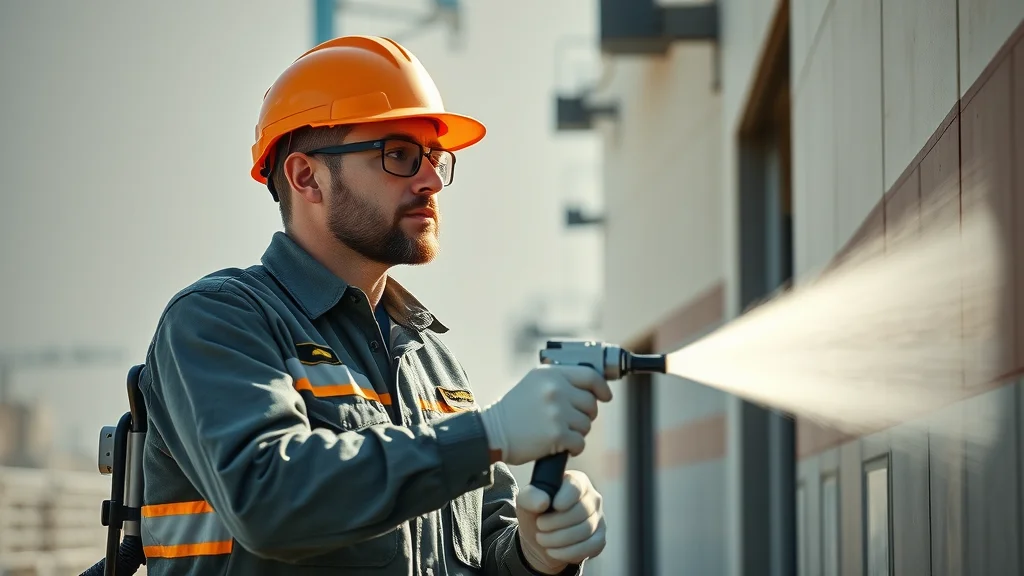
Skilled pressure washing technician training on professional equipment at an outdoor site—hiring pressure washing technicians

The best pressure washing technicians are not just able to handle equipment—they’re adaptable problem-solvers and excellent communicators. Look for candidates who possess key technical skills, such as operating commercial-grade pressure washers and understanding differences between surface types for both pressure washing and power washing projects. Knowledge of OSHA safety standards and the ability to maintain a valid drivers license is a must for compliance and operational integrity.

Soft skills carry equal weight. Exceptional technicians demonstrate reliability, attention to detail, and a genuine commitment to customer satisfaction. Previous experience in window cleaning or washing services is an added bonus, signaling versatility and comfort with similar equipment and customer environments. These blended technical and personal aspects ensure the technician can handle the day-to-day demands of your pressure washing service with professionalism and skill.

Including Power Washing, Window Cleaning, and Customer Service Experience

Skillset Importance Description
Pressure Washing High Proficiency with all equipment
Safety Protocol Knowledge High Compliance with OSHA standards
Power Washing High Experience with various surfaces
Window Cleaning Medium Versatile service offering
Customer Service High Professional customer interaction

When posting your job, emphasize the value of not only pressure wash skills but also power wash experience, attention to OSHA safety standards, and background in window cleaning. These diverse capabilities ensure your new hires can support the full spectrum of your company’s offerings. A technician comfortable with both physical and client-facing aspects of the job adds versatility to your team, allowing your washing service to stand out in a crowded market.

Interviewing and Evaluating Pressure Washing Technician Candidates

A structured interview process is your first barrier against bad hires. Develop a set of technical and behavioral questions aimed at uncovering each candidate’s experience with power washing, pressure washing, and even window cleaning. Evaluating both their understanding of machinery and their approach to tricky customer situations provides a 360-degree view of their potential. When possible, observe hands-on demonstrations to verify skill levels and ensure safety protocol compliance.

Reference checks and thorough background check procedures are just as important as technical interviews. Confirming steady work history helps screen candidates for reliability—critical in a field where every technician directly impacts your company's reputation. These steps, though time-consuming, result in lower turnover and stronger team dynamics.

Key Questions to Assess Knowledge of Pressure Wash and Power Wash

Professional interview for hiring pressure washing technicians in a well-lit office—pressure wash interview process

Ask prospective technicians to describe their direct experience with professional pressure washers, including preferred techniques for different surfaces like concrete, siding, and windows. Probe their safety training—do they know how to handle chemical detergents or troubleshoot equipment malfunctions? Customer service questions are equally key: “Describe a time you handled a client complaint during a pressure washing job” or “What do you do if a window cleaning client requests extra services unexpectedly?”.

Additional questions can explore technical skills—have they worked solo or as part of a bigger washing service team? Can they explain the difference between standard pressure washing and power washing? Each answer helps clarify not only their hands-on abilities but also their approach to problem-solving and workplace communication.

Technical Tests for Pressure Washer Operation

  • Hands-on demonstrations
  • Scenario-based customer service questions
  • Safety protocol quizzes

Technical assessments are a non-negotiable part of hiring pressure washing technicians. Set up supervised, on-site demonstrations to see how candidates handle equipment and follow safety protocols. Mock scenarios—for example, dealing with customer questions or equipment breakdowns—reveal their practical knowledge and adaptability. Short quizzes on OSHA standards, cleaning solutions, and machine troubleshooting can quickly separate genuine professionals from those less prepared to deliver top-tier power washing service.

Onboarding and Retaining Skilled Pressure Washing Technicians

The investment you make in thorough onboarding directly affects how long your technicians stay. Comprehensive orientation sets clear expectations regarding safety, daily procedures, and company culture—do this well, and you’ll build not only expertise but also loyalty. Keep your retention rate high by continuously training your team in both technical and customer-facing aspects, encouraging career growth within your washing service.

Demonstrating a commitment to technician well-being—offering transparent feedback, advancement paths, and regular recognition—can turn entry-level hires into long-term cornerstone employees. Companies with the lowest turnover are those that show they value their technicians as people, not just as labor.

Best Practices for Training Power Washing and Window Cleaning Staff

Instructional overview: hands-on onboarding, real-time safety demos, and group technician workshops for pressure washing hiring managers.

A strong onboarding program is essential. Start with job shadowing, allowing new hires to observe veteran pressure washing technicians and ask questions on the fly. Follow up with hands-on practice under supervision, covering nuances of both pressure wash and window cleaning projects. Workshops centered on advanced cleaning techniques, equipment maintenance, and client service can foster team collaboration and help technicians see immediate career advancement opportunities.

Provide clear guidelines and written SOPs (Standard Operating Procedures) so every technician understands expectations from day one. Reward ongoing learning with certificates or bonuses—recognition for hard work goes a long way in retaining your best people.

Competitive Compensation and Benefits for Pressure Washer Employees

"Employee retention often comes down to a sense of growth and opportunity within reputable power washing companies."
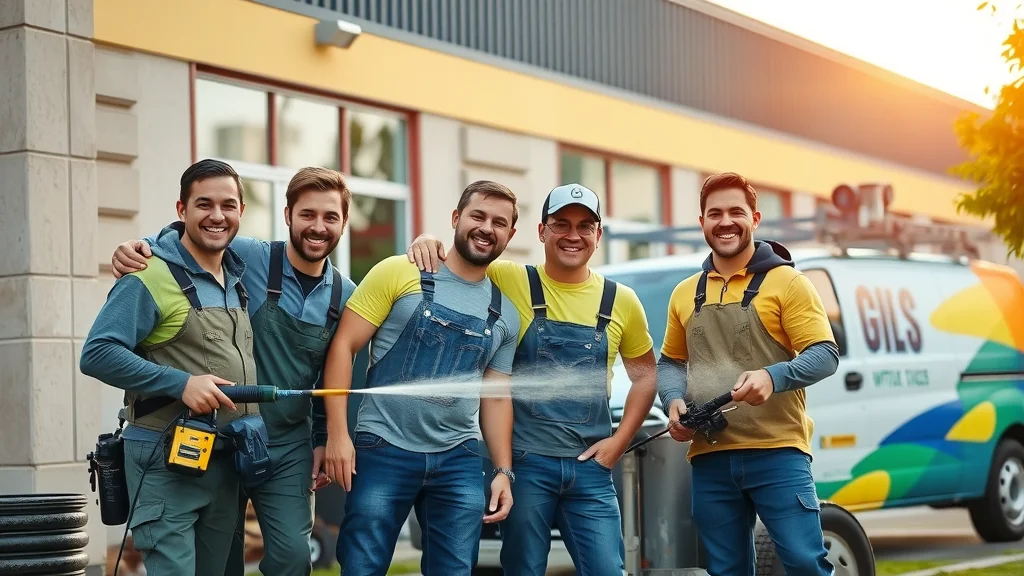
Happy pressure washing technician team celebrating outdoors after finishing a commercial project—retaining pressure washing staff

Compensation is more than just hourly pay. To compete with other top companies and retain top pressure washer talent, you’ll need to consider comprehensive packages: performance bonuses, health insurance, paid time off, and flexible schedule options. In a market where job seekers have their pick of roles, your benefits and growth pathways can set your business apart.

Regularly benchmark your pay rates against industry leaders—both locally and nationally. Consider offering referral bonuses or spot awards for hard work beyond standard expectations. Remember, employees who see a future with your company will deliver better service and attract more clients, fueling your pressure washing business’s growth.

Pressure Wash Technician Salaries: What to Offer and Why

Region Entry-Level Experienced
National Avg $15/hr $25/hr
Urban Markets $18/hr $30/hr
Rural Areas $13/hr $22/hr

Pay for pressure washing technicians varies by experience and location. Entry-level candidates typically start at $13–$18 per hour, with experienced technicians earning $22–$30 or more in urban markets offering premium services. Consider these figures when crafting job listings or negotiating pay; being transparent and competitive attracts long-term, high-performing employees and reduces costly turnover. Be sure to highlight pay growth, overtime, performance incentives, and any extra earnings in your recruitment outreach.

How Much Do People Charge Per Hour for Pressure Washing?

On the client-facing side, professional pressure washing services typically charge between $60 and $100 per hour, depending on region, job complexity, and surfaces being cleaned. Residential projects may trend lower, while commercial or industrial sites command higher rates due to increased safety and equipment requirements. As you hire pressure washing technicians, help them understand how their expertise directly contributes to the business’s ability to charge—and deliver—at these premium price points.

How to Find Clients for Pressure Washing and Power Washing Technicians

To keep your team busy, you’ll need a steady stream of clients. Use a combination of online marketing (SEO, Google My Business, and social media), referral programs, and traditional advertising like flyers or local sponsorships. Educate your team on upselling—technicians trained in window cleaning can bundle services, providing more value to existing clients and raising ticket prices. Consistently remind staff how exemplary service turns one-off jobs into repeat business and more five-star reviews.

Strategic partnerships with realtors, property management companies, and construction firms can generate bulk business accounts. Investing in marketing and equipping technicians to handle initial client inquiries—in person or via phone—ensures seamless follow-up and establishes your reputation as a responsive, professional pressure washing service.

Effective Marketing Strategies for Pressure Washing Services
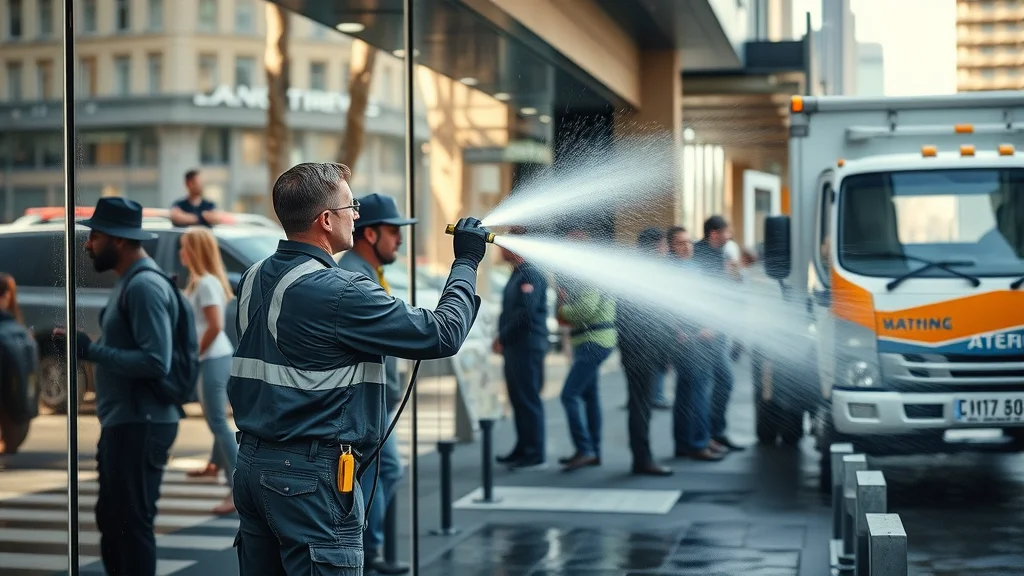
Pressure washing technician cleaning storefront glass during a commercial job in an urban setting—pressure washing marketing

Develop a strong digital footprint by maintaining an updated, visually-rich website prominently displaying your pressure washing, window cleaning, and power washing offerings. Encourage clients to leave positive online reviews and engage in neighborhood community apps to grow brand trust. Paid ads targeting “pressure washer near me” or “commercial power washing service” drive traffic from those already browsing jobs or contractors in your area.

Don’t forget offline: branded vehicles, uniforms, and demonstration events all increase visibility. Winning at local SEO will help your business appear in “view more details” searches and convert website visitors into paying clients. Train your technicians to be brand ambassadors during every job—word-of-mouth referrals from satisfied customers remain some of the most powerful marketing tools in the industry.

How Do You Estimate a Pressure Washing Job?

Successful companies base job estimates on a blend of job size (square footage), surface type, job site accessibility, required equipment, and degree of staining or build-up. Start with clear, itemized forms you submit for each site visit: note all client requests, location specifics, water source availability, and preferred cleaning products. Your estimate should clearly define labor hours, materials, and any extra travel fees, allowing for transparent communication with clients.

Train your pressure washing technicians to look for add-on opportunities like window cleaning or graffiti removal. A well-articulated quote increases client trust, reduces pricing disputes, and can turn a simple inquiry into a profitable ongoing account for both technicians and the business.

How Much Can I Rent a Pressure Washer For?

Rental rates for pressure washers depend on machine power, size, and duration. On average, homeowners or small contractors can expect to pay $40 to $100 per day for an entry-level residential pressure washer. Heavy-duty gas-powered or commercial-grade machines may rent for $120–$200 per day or more. Offering advice on equipment rental—even if only to support clients not yet ready for full-service contracts—positions your business as a trusted local resource.

Understanding rental and market pricing helps your recruiters and hiring pressure washing technicians benchmark against competitor services and communicate the true value of professional-grade equipment and expertise. This transparency is a win for client acquisition and for technician confidence.

FAQs: Hiring Pressure Washing Technicians

  • What certifications should a pressure washing technician have?
    Most employers expect certification in OSHA compliance and chemical safety. A valid driver’s license is mandatory, and some states require specialized water runoff permits. Training in power wash and window cleaning techniques (often available through trade associations) can set candidates apart.
  • Can technicians transition between power washing and window cleaning roles?
    Absolutely. Many pressure washing technicians add window cleaning to their skill set, increasing their employability and allowing businesses to cross-train for greater flexibility and higher client satisfaction.
  • What are best practices for background screening?
    Always perform a thorough background check—verify driving history, run criminal checks related to theft or vandalism, and confirm all certifications. Protecting your business and clients by screening for reliability and professionalism is non-negotiable.

Retaining Your Best Pressure Washing and Power Washing Technicians: Key Takeaways

  • Invest in continuous technician training
  • Offer competitive compensation and clear career paths
  • Prioritize workplace safety and open communication

Start Building Your Winning Pressure Washing Team

The pressure washing industry is ripe for growth—if you find, hire, and keep the right technicians. By focusing on smart recruitment, detailed onboarding, and meaningful retention strategies, your business can weather any labor market storm and emerge as a preferred employer in your region.

Ready to start building your winning team? Apply these strategies and secure your place among the industry’s top companies—your next great hire is out there!

As you continue to refine your hiring and retention strategies, remember that innovation in your business operations can give you a true competitive edge. Exploring advanced marketing tactics—such as harnessing the power of AI-driven video content—can help you attract not only top technician talent but also more high-value clients. If you’re ready to elevate your brand and reach new audiences, take the next step by learning how AI tools can revolutionize your pressure washing marketing approach. Discover how to transform your pressure washing business with AI-powered video marketing strategies and position your company for long-term success.


Operations

Write A Comment

*
*
Related Posts All Posts
12.20.2025

First 30 Days: A Simple Onboarding Playbook for New Pressure Washing Techs

Did you know that nearly 30% of new hires in the pressure washing industry quit within the first month due to poor onboarding? That’s right—rushed introductions, vague expectations, and lackluster training can cost your washing business more than you think. The first 30 days are make-or-break for a pressure washing tech’s success. If you want to build a reliable and motivated crew, a proven pressure washing employee onboarding process is your secret weapon. In this playbook, you’ll discover an approachable, step-by-step employee onboarding process tailored for the pressure washing business so your newest team members can thrive, reduce costly turnover, and deliver spotless results from their very first job site. Unlocking Success in the Pressure Washing Employee Onboarding Process: A Surprising Statistic The strength of your team can be traced directly to how you introduce new hires to your pressure washing business. In fact, industry research shows that a well-structured onboarding process boosts employee retention by more than 50%. Considering the high turnover so common in the pressure washing industry, this is a statistic that every business owner should take seriously. Whether you're gearing up to start a pressure washing company or looking to sharpen your existing process, focusing on onboarding delivers a competitive edge. Successful onboarding of pressure washing techs doesn’t stop at formalities. The pressure washing employee onboarding process must build a foundation in equipment safety, customer service, and teamwork. When you support your team’s growth from day one, you cultivate a culture of accountability and professionalism. With prepared techs, each job site visit becomes an opportunity to boost your company’s reputation and foster client trust. Let’s unpack everything you need for an effective onboarding journey. What You'll Learn from This Pressure Washing Employee Onboarding Process Playbook The key phases of the pressure washing employee onboarding process for new techs Regulatory and OSHA guidelines affecting pressure washing businesses Setting clear job expectations on Day 1 The right pressure washing equipment and its safe operation Effective hands-on training methods for pressure washing teams Performance tracking within the pressure washing employee onboarding process Retention strategies especially for pressure wash businesses Pressure Washing Business and Employee Onboarding: Laying the Groundwork Why a Structured Pressure Washing Employee Onboarding Process Matters For any washing business, investing in a step-by-step employee onboarding process is the smartest way to ensure consistent quality. Without it, there’s a real risk of property damage, missed jobs, or frustrated customers—which can quickly tarnish your brand. A documented onboarding guides new wash technicians through equipment basics, pressure washing safety, and preferred company protocols. This commitment to clarity helps turn rookies into reliable, safety-aware techs who represent your business well at every job site. "Not having a documented pressure washing employee onboarding process sets your business up for preventable mistakes." – Industry Expert Experienced pressure washers know that good habits build a career in this industry. By sharing your expectations and standard procedures from the start, you help new hires develop the right work ethic and skills. Whether it’s how to use a surface cleaner properly or manage customer expectations, these early lessons shape performance long into their role. When onboarding is an active, ongoing process, your pressure washing business can scale safely and sustainably. Common Pitfalls in Pressure Washing Business Onboarding Skipping equipment training Inadequate safety briefings Lack of feedback channels Many businesses make the mistake of rushing new hires onto the job site without first giving them thorough hands-on experience with pressure washing equipment. This oversight can cause stress, injuries, and even costly damage. Another common pitfall is neglecting regular check-ins or setting up channels for feedback. Without open communication, new employees often feel unsupported or unsure of expectations. Clear, ongoing feedback is essential in every phase of the pressure washing employee onboarding process to build confidence and skill. Day 1 of the Pressure Washing Employee Onboarding Process: First Impressions Count Welcoming Your New Pressure Washing Tech The first day is your best opportunity to create a lasting positive impression on your new wash technician. Begin with a welcoming introduction to the team, a walkthrough of the company culture, and some background on what makes your washing business successful. Offering a quick guide to the pressure washing employee onboarding process lets new hires see you’re invested in their growth. This is also the time to outline the company’s core values and the standards for a well-run job site—including punctuality, client communication, and safe equipment operation. Pairing your new pressure wash technician with an experienced mentor for the first week is a great way to encourage learning and build camaraderie. Introduce expectations about PPE (personal protective equipment), work attire, and safety routines right away. An open discussion lets new team members ask questions, feel valued, and start developing the right work ethic from day one. Remember, first impressions set the tone for loyalty and motivation. Admin and Documentation Setup for Pressure Washing Businesses W-4 and I-9 completion OSHA acknowledgment forms Digital access to your pressure washing employee onboarding process materials Admin paperwork may seem tedious but is crucial. On day one, make sure every new hire completes all necessary HR forms, including tax documentation and background check authorizations if required. OSHA acknowledgment forms are particularly important for the washing industry, showing that your business is serious about compliance and safety. For a streamlined onboarding process, offer digital access to training videos, checklists, and updated manuals on equipment and job site protocol. By organizing these materials, you empower new techs to quickly reference key information for successful power wash jobs. Safety First: OSHA Guidelines in the Pressure Washing Employee Onboarding Process What are the OSHA guidelines for pressure washing? OSHA prioritizes the health and safety of employees working in hands-on environments like pressure washing. Compliance starts with providing and documenting PPE—such as gloves, goggles, and ear protection—for all new hires. OSHA also requires that your onboarding process include explicit safety briefings around high-pressure equipment, chemical use, and job site hazards. Every pressure washing business should have written safety procedures detailing machine shut-off, handling detergents, and managing power wash injuries or incidents. Training new employees on these standards early drastically reduces the chance of costly workplace accidents and ensures your compliance during any audit or inspection. Highlight that ongoing safety checks, routine drills, and updated training are essential elements in the pressure washing employee onboarding process. A company-wide commitment to up-to-date OSHA standards speaks volumes about your dedication as a business owner and positions new techs for a long, safe career. Pressure Washing Equipment Safety Training PPE use: gloves, goggles, boots Machine shut-off procedures Chemical handling routines Practical safety training is critical from day one. Ensure new hires understand the importance of wearing proper PPE, including gloves, goggles, boots, and (when necessary) ear protection to prevent injury. Demonstrate step-by-step machine start-up and emergency shutdown procedures to ensure every tech can respond quickly in case of malfunction. Cover the safe storage, dilution, and use of cleaning chemicals to prevent hazardous exposure or property damage—two of the main risks in the washing industry. Integrate brief quizzes or hands-on practice into your onboarding program for better retention of safety concepts. Training should be interactive, allowing new employees to ask questions and handle equipment under experienced supervision. This way, they learn to recognize job site hazards, assess risks, and proactively prevent accidents, benefiting both the tech and your business’s reputation for safety and reliability. Hands-On Learning: Pressure Washing Equipment and Methods Demonstrating the Use of All Pressure Washing Equipment New pressure washing techs should begin with live demonstrations of all essential gear—down to the last nozzle and surface cleaner. Experienced trainers should guide new hires through equipment basics, covering set-up, pressure adjustment, tool differences (power washer, surface cleaner, hoses, safety triggers), and proper cleaning techniques for flatwork and vertical surfaces. Visual learners especially benefit from watching and replicating these demonstrations in a controlled environment. Training should also highlight the unique aspects of each piece of pressure washing equipment. For example, knowing when to use a surface cleaner instead of a standard wand or how to adjust the PSI to avoid costly property damage are practical skills that set professional wash technicians apart. Confidence in handling all types of pressure washing gear minimizes downtime and boosts job site efficiency right away. Practice Sessions: Safe Pressure Wash Techniques Flatwork vs. vertical washing Surface assessment and preparation Avoiding equipment and property damage After demonstration, hands-on practice solidifies skills. Assign new hires to practice both flatwork (such as driveways and sidewalks) and vertical surfaces (like siding or fencing). Effective onboarding always includes side-by-side practice with a senior tech, so real-time feedback and correction are immediate. Include tips for assessing surfaces—checking for cracks, delicate materials, or paint that might flake under pressure—to protect your client’s property and reputation. Teach the importance of prepping each job site, from clearing the work zone to identifying utility connections and obstacles. Proactive preparation helps avoid the most common types of property damage and ensures a smooth workflow. Over several sessions, gradually increase the responsibility given to your trainee, allowing them to take the lead under supervision to build both skill and confidence. As you refine your hands-on training, consider integrating modern marketing strategies to help your new techs understand the business side of operations. For example, leveraging AI-powered video tools can streamline your training content and even enhance your company's marketing efforts. To see how these technologies can support both onboarding and business growth, explore how AI video tools are transforming pressure washing business marketing. Setting Job Expectations and Routes in the Pressure Washing Employee Onboarding Process Clarifying Job Duties for New Pressure Washing Techs Scope of work per job Customer interaction guidelines Reporting procedures Set clear expectations by spelling out the specific duties for each role. A new pressure wash technician should know the standard workflow for every type of job site: initial setup, surface inspection, safe operation of washing equipment, careful cleanup, and communication with clients. Establishing these routines is crucial—mistakes come when techs are unsure about job scope or hesitate to ask for help. Integrate easy-to-follow reporting procedures for job completion, property conditions, and any incident that might occur, including near-misses. Provide guidelines for friendly, professional client interaction: greeting upon arrival, setting expectations, addressing concerns, and confirming satisfaction at the end of each job. These customer service protocols are the backbone of long-term success and word-of-mouth marketing in the pressure washing business. Daily Route Planning in Your Pressure Washing Business Organized operations are just as important as technical skill. Teach new hires how to plan an efficient daily route using company software or navigation apps. Cover the basics—checking the job board or app for assignments, preparing the work van with all required supplies, reviewing any special instructions, and mapping out driving routes to minimize downtime. Route planning helps ensure punctual service and maximizes the number of completed jobs without sacrificing safety or customer experience. Make sure to also include backup plans for last-minute changes, like rescheduled jobs or equipment issues. By training pressure washing techs to prepare for the unexpected, you demonstrate what goes into professional business ownership and foster a proactive mindset in your team. This attention to detail keeps both the new employee and the business owner calm when schedules shift rapidly. Tracking Performance: Feedback Loops in the Pressure Washing Employee Onboarding Process Measuring Progress: First 30 Days Benchmarks Clear benchmarks ensure your new pressure washing tech is progressing as expected. Use a simple matrix to track core skills and milestones throughout the first month. Weekly evaluations help identify strengths, areas needing improvement, and enable targeted coaching. Remember, regular feedback within the pressure washing employee onboarding process keeps new hires motivated and prevents confusion about their role. Establishing expectations for safety protocols, wash quality, and time management from the start will yield visible improvements in job site performance. Use direct job site observation, checklists, and performance metrics to lock in each new hire's progress, ultimately benefiting client experience and business growth. Key Benchmarks for New Pressure Washing Techs Week Core Skill Standard to Achieve 1 Safety & Equipment Handling 100% Demonstration 2 Efficient Wash Techniques 80% Job Standard 3 Customer Interaction Proper Etiquette 4 Route Familiarity On-Time Completion Constructive Feedback in Pressure Washing Employee Development Weekly one-on-ones Performance checklists Setting next steps Constructive criticism—paired with positive reinforcement—helps new employees grow fastest. Host weekly one-on-ones to review completed jobs, discuss any challenges, and address training gaps. Use a standard performance checklist to assess skills in equipment handling, surface cleaning, safety compliance, and customer service. Encourage open dialogue: ask new techs what support they need to succeed or what obstacles they’ve encountered. Conclude each review with clear next steps, whether it’s more practice with washing equipment, shadowing a power washer expert, or taking an online safety refresher. These feedback loops help solidify knowledge, reduce turnover, and build a strong team foundation—laying the groundwork for outstanding company culture and a successful washing business. Compensation, Pricing & Your Role in the Pressure Washing Employee Onboarding Process How much should you charge for pressure washing? Pricing strategy is a crucial lesson for business owners and new hires alike. Rates for pressure washing can vary depending on location, job difficulty, surface size, and business overhead. On average, pressure washing businesses charge between $0.35 to $0.77 per square foot, or $150 to $400 per standard job site. It is essential to teach techs how pricing is determined so they understand the value of their work and can answer client questions confidently. Clear communication of rates during the pressure washing employee onboarding process sets realistic client expectations and reduces billing disputes. Empower your techs to reference marketing materials, provide estimates on the spot if needed, and explain the factors influencing cost—like time, labor, and type of surface cleaner required. Bonus and Incentive Structures in Pressure Washing Businesses Performance-based bonuses Referral incentives Safety awards Rewarding effort is the best way to keep morale high and encourage retention. Consider offering bonuses for jobs completed to standard, customer satisfaction scores, or upselling additional services like deck or patio power washing. Referral incentives are highly effective in attracting new talent; offer a sign-on or referral bonus for every new power wash technician brought in by an existing employee. Safety awards are another motivator—recognize those who maintain perfect safety records or complete extra safety training modules. Such strategies build a culture of success, accountability, and ambition within your pressure washing business. Incorporate these incentive programs into your onboarding program materials so new hires know from day one that growth and excellence are both recognized and rewarded. Building Lasting Engagement: Retention in the Pressure Washing Employee Onboarding Process What percent of pressure washing businesses fail? According to industry statistics, up to 50% of pressure washing businesses do not survive beyond their first 2 years—largely due to high turnover, client retention issues, and insufficient training programs. This underscores why investing in a robust pressure washing employee onboarding process is non-negotiable. Businesses that prioritize structured onboarding and professional development are better equipped to weather industry challenges and stand out on job boards and within their communities. Retention begins with an employee's first experience at your company and continues through ongoing support, training programs, and opportunities to build a career. Foster commitment by making every tech feel heard, supported, and essential to the business’s long-term vision. Retention Strategies for Your Pressure Washing Business Mentorship programs Ongoing training in advanced pressure washing operations Team-building events Mentorship programs are one of the fastest ways to accelerate learning and foster loyalty. Pairing new hires with seasoned pros lets them learn by osmosis, picking up subtle tricks of the trade and soft skills vital in the field. Make professional growth a continuous journey through regular advanced training—like using specialized washing equipment or managing larger, more complex job sites. Don’t overlook the value of team-building. Social outings, group training events, and company celebrations help cement relationships, boost morale, and create a sense of belonging. When techs feel like part of a team, they're more likely to stay, perform well, and refer friends to open positions—making recruiting for your pressure washing business easier long term. From Classroom to Customers: Outreach in the Pressure Washing Business How do I find clients for pressure washing? Finding clients is a crucial part of scaling a pressure washing business and often starts during the onboarding program for new hires. Encourage techs to share business cards, ask for word-of-mouth referrals, and contribute to community events. Build a referral program where customers who recommend new clients receive discounts or additional services. Online marketing—including business listings on job sites, Google My Business, and local social media groups—amplifies reach and ensures a steady flow of qualified leads. Train techs on how to present themselves professionally at each job site—every interaction is a chance to earn repeat business or a stellar review. With a little initiative and some basic sales tips, your crew can become a powerful marketing engine for your washing business. Customer Service Protocols for Pressure Washing Techs Greeting clients upon arrival Setting clear expectations Post-job follow-up Outstanding customer service should be emphasized in every pressure washing employee onboarding process. Techs are brand ambassadors—make sure they know how to greet clients respectfully, confirm project details, and set realistic timelines. Encourage active listening so customers feel understood, which increases the chances of positive feedback and referrals. End each job by walking the client through the completed work, addressing any questions, and ensuring satisfaction. A simple follow-up message or call after the job reinforces professionalism, garners reviews, and often leads to future bookings. Building strong client relationships is just as critical to business success as mastering washing equipment or job site logistics. People Also Ask: The Pressure Washing Employee Onboarding Process Answers What are the OSHA guidelines for pressure washing? OSHA guidelines for pressure washing focus on employee safety and hazard prevention. These include mandatory use of PPE (personal protective equipment) like gloves, goggles, boots, and sometimes masks or ear protection. Every tech must be trained in the safe start-up, operation, and shut-down of power washers, as well as the safe handling of detergents and chemicals. Employers must provide written safety policies and maintain records of training. Proper onboarding and routine refreshers help maintain OSHA compliance and protect both your team and clients. How much should you charge for pressure washing? Pressure washing rates vary based on region and job complexity but generally range between $0.35–$0.77 per square foot or $150–$400 per standard residential job. Custom pricing may apply for specialty services or challenging surfaces. New techs should communicate clearly with clients about pricing and discuss any variables that may affect cost, such as the use of a specialty surface cleaner, access issues, or time requirements. What percent of pressure washing businesses fail? It’s estimated that between 40–50% of pressure washing businesses fail in the first two years. The primary causes include high employee turnover, inadequate training, unsafe practices leading to expensive liability, or weak client retention. A documented pressure washing employee onboarding process addresses these pitfalls head-on and increases chances of long-term success. How do I find clients for pressure washing? Client acquisition combines traditional and digital marketing efforts—leverage local advertising, Google My Business, social media, and community involvement. Equip techs with marketing materials like business cards and branded uniforms. Positive word of mouth and online reviews are highly effective; always ask happy customers for a referral or testimonial right after a job. FAQ: Pressure Washing Employee Onboarding Process How do you train new pressure washing employees fast? Use structured training programs, combine classroom instruction with hands-on practice, and assign mentors for real-world learning from day one. Fast-tracked onboarding covers safety, equipment basics, and client etiquette over the first week, with regular feedback to ensure understanding. What should be in a pressure washing safety checklist? Your safety checklist should include PPE checks, equipment inspections, surface assessment, proper setup/teardown protocols, and guidance on chemical handling, machine shutdown, and emergency procedures. How do you motivate new techs in a pressure washing business? Motivate new hires with performance-based bonuses, recognition programs, ongoing skills training, and opportunities to advance within the business. Supportive team culture and open communication also matter greatly for morale. What forms are required for new pressure washing employees? Ensure new hires complete W-4 and I-9 forms, OSHA acknowledgment, background check releases (if needed), and any policy agreements required for insurance or legal compliance. Key Takeaways: Your Pressure Washing Employee Onboarding Process in Review Invest in onboarding to reduce pressure washing tech turnover Safety and equipment knowledge must be core skills Retention and growth rely on consistent training and mentorship Client acquisition techniques should be introduced early Ready to Build Your Pressure Washing Business? Don’t wait: Build your pressure washing employee onboarding process today and watch your team, reputation, and bottom line grow! If you’re eager to take your pressure washing business to the next level, consider exploring innovative strategies that go beyond onboarding. Embracing advanced marketing techniques—such as AI-driven video content—can help you reach new clients, showcase your team’s expertise, and set your company apart in a competitive market. For a deeper dive into how technology can revolutionize your marketing approach and drive sustainable growth, check out this guide to leveraging AI tools for pressure washing business marketing.

12.19.2025

Stop Winging It: Essential Systems and SOPs Every Pressure Washing Owner Needs

Did you know that a staggering 70% of pressure washing businesses struggle or fail simply because they lack robust business systems and standard operating procedures? This may sound harsh, but in today’s competitive industry, winging it no longer works. If you want your washing business to thrive rather than just survive, adapting and implementing effective pressure washing business systems and SOP is non-negotiable. In this comprehensive guide, you’ll discover actionable insights, proven systems, and the foundational processes that will help you leave trial-and-error behind—and build a resilient, scalable company that stands out for quality, compliance, and growth. Why You Can't Afford to Wing It in Your Pressure Washing Business Startling statistic: 70% of pressure washing businesses struggle due to lack of systems (industry data). The true cost of poor or missing standard operating procedures (SOPs) for a washing business. Running a pressure washing business isn’t just about showing up with a pressure washer and tackling the job. Without defined business standard operating procedures, you risk losing clients, diminishing quality, and burning out from avoidable mistakes. Lacking pressure washing business systems and SOP compromises your ability to delegate, maintain safety standards, and deliver consistent power washing services. If you’re constantly putting out fires, repeating instructions, or handling the same customer complaints, it’s a clear sign your business is operating on thin ice. The bottom line: every washing business that relies on memory or habit rather than documented operating procedures is at the mercy of chaos and inconsistency. To run a truly professional enterprise that grows and survives in this booming industry, building robust pressure washing business systems and SOP should be your top priority. What You'll Learn About Pressure Washing Business Systems and SOP How pressure washing business systems and SOP impact growth, safety, and scalability. Key business standard operating procedures every pressure washing company needs. Critical mistakes to avoid while developing your pressure washer SOP. By the end of this educational guide, you’ll know not just why SOPs are vital, but exactly how to implement them, the pitfalls to steer clear of, and the best practices to turn your business into a repeatable, scalable operation. Whether you’re starting a pressure washing business or looking to optimize established pressure washing services, this article will equip you to transform your approach with essential systems and processes. As you work to implement these foundational systems, it's also worth considering how technology can streamline your operations. For example, integrating AI-powered tools into your marketing and workflow can further enhance efficiency and help you stand out in a crowded market. Discover practical ways to leverage AI video tools to transform your pressure washing business marketing and support your growth strategies. Defining Pressure Washing Business Systems and SOP What Is a Standard Operating Procedure in a Pressure Washing Business? Standard operating procedures and their role in consistency and compliance. A standard operating procedure (SOP) is a documented step-by-step process that defines how each task should be executed for maximum efficiency, safety, and consistency. In the world of pressure washing, this isn’t merely a checklist; it’s the backbone for delivering a quality service that meets regulatory standards and customer expectations. SOPs standardize everything from prepping equipment to communicating with clients, ensuring that whether you’re offering power washing, soft wash, or specialized pressure washing services, every team member operates within the same high standards. With proper SOPs, new hires can quickly learn company expectations, and your washing business team is empowered to deliver consistent results even as your business grows. Key Terms: Business Standard, Pressure Washing Business Standard, and SOP It’s important to understand the language of systemization. Business standard refers to the approved best practices every company regularly implements to deliver reliable outcomes. A pressure washing business standard combines industry-wide requirements—such as safety guidelines and operational benchmarks—with your company’s own mission for delivering quality service. SOPs (standard operating procedures) are detailed instructions that allow any team member, regardless of experience, to complete tasks correctly every time. Mastering these terms and building your own SOPs is the first step for anyone starting or running a pressure washing business who wants to avoid having to reinvent the wheel with every new job. How Pressure Washing Business Systems and SOP Drive Growth The relationship between pressure washing business systems and effective delegation. Using SOP for training and onboarding new team members. Minimizing costly mistakes with structured operating procedures. Implementing pressure washing business systems and SOP is a crucial factor behind scalable, successful companies. One of the largest obstacles to growth in a washing business standard operating environment is the owner doing everything themselves. Defined SOPs make it possible to train new hires rapidly, assign repeatable tasks with confidence, and ensure that every aspect— from equipment preparation to client communication—meets business standard expectations. As your team grows, well-documented SOPs allow for responsibility delegation, reduced errors, and consistency in performance whether you’re running a small two-person enterprise or a multi-crew operation. In short, business standard operating procedures free you from micromanaging every detail, so you can focus on strategy, marketing, and delivering genuinely quality pressure washing services that fuel word-of-mouth referrals and industry reputation. The added benefit? With established procedures, you can easily track where mistakes occur and refine your workflow continuously—leading to less downtime, greater profitability, and better customer satisfaction. Delegation, onboarding, and job site efficiency all stem from the foundation of a robust, well-documented SOP system for your pressure washing company. The Essential Pressure Washing Business Standard Operating Procedures Hiring and Onboarding: SOPs for Building Your Washing Business Team Bringing new staff on board is a crucial step in scaling a pressure washing business, but without a clear SOP, it can quickly lead to confusion, wasted time, and inconsistent service delivery. A strong hiring and onboarding SOP details each stage: from advertising the position and conducting interviews to paperwork, safety training, and expectations for performance on the job. This level of documentation ensures every new employee understands both company culture and the operational standards for pressure washing and soft washing services. As a result, you reduce turnover, create dependable teams, and foster professionalism that clients notice. Reliable onboarding operating procedures are the first safeguard against miscommunication and low morale, setting up every technician for lasting success in your growing business. Job Site Preparation: Pressure Washer SOP for Consistent Success Consistent results start with a pressure washer SOP for job site preparation. This should include checking the work order, reviewing unique property features, inspecting surfaces, rolling out hoses, staging tools, and ensuring all necessary safety equipment is present before the first spray. By following a standardized preparation sequence, technicians can efficiently avoid missed steps, pricey do-overs, or property damage. A clear job site SOP not only increases your crew’s productivity but reassures customers they’re receiving a premium, professional washing service every time. Whether it’s pressure washing siding, walkways, or driveways, this organized approach minimizes downtime and maximizes curb appeal, cementing your business reputation for reliability and care. Equipment Maintenance: Creating a Robust Pressure Washer SOP Daily: Inspect hoses and connections for leaks or wear; check oil and fuel levels; test machine operation. Weekly: Deep clean nozzles and filters; verify water pressure standards; grease fittings. Monthly: Perform comprehensive engine checks; replace worn parts; update equipment logs for accountability. Regular maintenance is non-negotiable for both safety and the long-term health of your pressure washers. A documented equipment maintenance SOP clarifies exactly who is responsible for each step, the frequency of tasks, and the procedures that keep your machines in top working condition. Well-maintained equipment means fewer breakdowns, less job site delays, and consistently high-quality results for your washing business’s clients. An equipment-focused operating procedure should be a living document—updated as new equipment or technology is brought in. This not only boosts operational efficiency but also demonstrates a commitment to quality and professionalism that sets your business apart. Safety and Compliance: Meeting Business Standard Requirements How SOPs Ensure Compliance with OSHA Guidelines for Pressure Washing Checklist: Wear PPE (gloves, goggles, boots); check power source/wiring for safe connections; handle chemicals with proper storage and labeling; barricade work areas; follow all state/local regulations and document incident reporting. Adhering to safety procedures isn’t just about protecting your staff—it’s also about shielding your business from fines, lawsuits, and negative publicity. OSHA guidelines outline very specific practices for safe operation of power washing equipment, storage and handling of chemicals, and personal protective equipment requirements. By integrating these into your SOP documentation, you guarantee all technicians—new and experienced—meet business standard compliance on every project. Business standard operating procedures ensure you always have a ready-to-audit system in place for regulators, clients, and insurers, dramatically reducing risk and liability. Documenting and Training for Safety with Standard Operating Procedures True safety culture doesn’t end with checklists—it lives through continual training and documentation. Quality SOPs for pressure washing businesses detail not just what to do, but why it matters. Training programs should include mock scenarios, hazard recognition drills, and written records of completed safety modules. This systematic approach enables you to track compliance, spot knowledge gaps, and proactively create a safer work environment. When SOPs are ingrained in your business process, employees respond more effectively to incidents and your company is protected from operational disruptions or insurance issues. Workflow Optimization: SOPs for Scheduling and Customer Communication Using Pressure Washing Business Systems for Scheduling Efficiency The backbone of any efficient pressure washing or soft washing business is a streamlined scheduling SOP. By using scheduling software that integrates your company’s documented SOPs for estimating, booking, and confirming jobs, you eliminate double-bookings, decrease downtime, and impress customers with professionalism. Automated reminders and task lists make it simple for team members to know their schedules and job priorities. These workflow management tools enhance operational productivity, reduce human errors, and give every team member accountability. In the competitive landscape of pressure washing services, the companies using robust business standard operating procedures for workflow optimization stand out with happier clients and higher profits. SOPs for Transparent Client Interaction in Washing Services "A business standard operating procedure transforms your chaos into structured growth." — Industry expert Customer trust hinges on clear, repeatable communication. SOPs should outline how to respond to inquiries, explain pricing, provide job updates, and follow up after service. Whether your business handles residential pressure washing or larger power washing contracts, a documented approach to client interaction ensures everyone from office staff to technicians delivers a unified customer experience. Transparency builds loyalty and referrals, while written procedures speed up onboarding and training for administrative staff. Your business becomes known not only for quality results but also for professional, consistent interaction throughout every phase of the work order. How to Create Custom Pressure Washing Business Systems and SOP Step-by-step guide for developing effective operating procedures. Tools and templates for pressure washing business standard operating procedures. 1. Map Out Core Processes: List all regular business activities: hiring, scheduling, job preparation, equipment care, safety, billing, customer communication. 2. Document Step-by-Step Tasks: Break each activity into detailed steps. For example, your equipment maintenance SOP should specify daily, weekly, and monthly checks. 3. Assign Responsibility: Designate clear roles for each SOP—who does what and when. 4. Use Tools and Templates: Leverage digital workflow tools or downloadable SOP templates to structure your procedures. 5. Test and Refine: Run SOPs with your team, gather feedback, and fine-tune them for clarity and efficiency. 6. Train and Enforce: Incorporate SOPs into onboarding, annual reviews, and daily workflow to ensure habits stick. 7. Regularly Update: Review your SOPs quarterly or after incidents to reflect updated techniques, safety requirements, or technology changes. Using these practical steps guarantees your pressure washing business systems and SOP won’t be a one-time document gathering dust, but rather a living, breathing asset fueling your operational success and scalability. Software Solutions for Pressure Washing Business Standard Operating Procedures Popular Business Software for SOP Management Jobber — For SOP-based scheduling, quoting, and job tracking Housecall Pro — All-in-one platform supporting SOP documentation, reminders, and reporting ServiceTitan — Advanced analytics and checklist tools for large-scale operations Google Workspace, Notion, or Trello — Flexible tools perfect for SOP templates and version tracking Top-performing pressure washing businesses leverage technology to automate, document, and measure adherence to SOPs. Whether you’re just starting out or upgrading your workflow, choosing the right software makes implementing business standard operating procedures easy, scalable, and foolproof. Integrating Your SOP into Pressure Washing Business Software Integrating SOPs within your business software transforms them from static PDFs into dynamic daily tools. You can set up checklists that must be digitally signed off before work orders are completed, use custom workflows to track maintenance, and analyze compliance data to reveal trends or training gaps. This digital approach instantly updates SOPs across your business, providing structure without sacrificing flexibility, while ensuring everyone operates at your business standard. As your company grows and your processes become more complex, software integration provides the real-time visibility and accountability that systematized success demands. Real-World Results: What Happens When You Systematize Your Pressure Washing Business Examples: Washing business owners who scaled with business standard operating procedures. Statistical improvements in efficiency and revenue when using structured pressure washing business systems. Successful industry leaders aren’t just doing the jobs, they’re systematizing them. Consider the story of a small residential pressure wash company that, after implementing business standard operating procedures for hiring, site preparation, and customer service, doubled its booked ticket volume in just one season. Another power washing business that standardized its maintenance SOP cut unplanned breakdowns by 40%, saving thousands and freeing up resources for marketing and training new crews. Reported data reveals that businesses using robust pressure washing business systems and SOP see efficiency gains of 25% or more, and revenue increases between 18–35%, compared to those operating ad hoc. In every case, the transformation comes down to one thing: moving from chaos to clarity with business standard operating procedures and the right systems for tracking, training, and delegation. People Also Ask: What Are the OSHA Guidelines for Pressure Washing? Answer: OSHA outlines safety standards for electrical, chemical, and physical hazards involved in power washing. Align your standard operating procedure with prescribed personal protective equipment, training, and hazard communication. People Also Ask: How Much Should I Charge to Pressure Wash a 2000 Square Foot House? Answer: Most washing business standards place pricing between $250–$500 for a 2,000 sq ft house, factoring in expenses, competition, and pressure washing methods used. People Also Ask: What Percent of Pressure Washing Businesses Fail? Answer: Approximately 30% of new pressure washing businesses do not survive the first two years—often due to lack of clear business standard operating procedures. People Also Ask: What Is the Software for Pressure Washing Business? Answer: Leading software supports scheduling, bookkeeping, quoting, and most critically, systematizes your SOPs. Examples include Jobber, Housecall Pro, and ServiceTitan. FAQs: Pressure Washing Business Systems and SOP What are the first SOPs I should create when starting a pressure washing business? Begin by documenting SOPs for client intake, job site preparation, equipment maintenance, and safety procedures. These foundational steps ensure you deliver consistent, compliant, and quality service from day one. Can standard operating procedures improve customer satisfaction? Absolutely. SOPs ensure every client receives timely responses, accurate estimates, and a uniform quality of work, building trust and ensuring repeat business for your washing services. How do I audit my pressure washing business systems for compliance? Schedule regular SOP reviews, inspect work logs, gather team feedback, and cross-check adherence to your processes with OSHA and local regulations. Update your SOPs at least twice a year or after any incident. Table: Comparison of Pressure Washing Business Standard Operating Procedures SOP Type Purpose Frequency Who Implements Key Measurements Hiring & Onboarding Build capable, compliant teams As needed Manager/Owner Retention, Training Success Job Site Prep Ensure complete, safe, quality work Per job Technicians Time to setup, Error Rate Equipment Maintenance Minimize breakdowns, extend life Daily/Weekly/Monthly Technicians/Supervisor Downtime, Repairs Needed Safety Compliance Protect team, ensure regulatory compliance Daily/Per job All Staff Accidents, Audit Results Customer Communication Deliver transparent, consistent client experience Per job Admin/Technicians Response Time, Satisfaction Rate Key Takeaways: Pressure Washing Business Systems and SOP A pressure washing business thrives on robust business standard operating procedures. Systemization ensures safety, compliance, consistency, and rapid scaling. Using software and documented SOPs, every washing business can work smarter, not harder. Ready to Standardize? Download Our Free Pressure Washing Business SOP Template Ready to stop winging it? Transform your pressure washing business with our comprehensive SOP template—get your free download now and start building a resilient, well-oiled company today! Conclusion: Embrace pressure washing business systems and SOP—your business’s foundation for safety, quality, and unstoppable growth! Building a successful pressure washing business is about more than just having the right equipment—it's about creating a system that supports growth, innovation, and long-term sustainability. If you're ready to take your operations to the next level, consider how advanced marketing strategies and emerging technologies can further amplify your results. For a deeper dive into how AI-driven solutions are reshaping the industry and unlocking new opportunities, explore our guide on revolutionizing your pressure washing marketing with AI tools. Discover the next steps to future-proof your business and stay ahead of the competition.

08.15.2025

Maximize Your Pressure Washing Business Success with Effective Onboarding

Discover effective onboarding strategies that boost employee retention and performance in your pressure washing business.

Terms of Service

Privacy Policy

Core Modal Title

Sorry, no results found

You Might Find These Articles Interesting

T
Please Check Your Email
We Will Be Following Up Shortly
*
*
*