
Did you know? Nearly 30% of pressure washing technicians experience a work-related strain or musculoskeletal injury every year, most commonly affecting the back, wrists, and shoulders. With pressure washers capable of generating up to 4,000 PSI, the physical toll is much more than what meets the eye. This comprehensive guide will empower you with practical and research-backed methods to boost your pressure washing health and ergonomics, guard your joints, and ensure sustainable productivity—so you stay safe and effective while on the job.
Startling Facts: How Pressure Washing Health and Ergonomics Impact Techs
Pressure washing health and ergonomics are paramount for anyone tasked with cleaning large areas, equipment, or buildings. From washer injuries to persistent back pain, the impact of improper practices isn’t just discomfort—it can mean lost workdays, costly medical attention, and long-term health issues. Research shows that pressure washer injuries can occur in the blink of an eye, especially when handling high pressure hoses and awkward equipment, or when working in slippery, wet environments. Techs often underestimate the repetitive motions and force required to handle a pressure washer, leading to an invisible accumulation of stress on back and joints. Addressing these challenges with the right knowledge is the first key to a safer, healthier pressure wash experience.
The Hidden Toll: Statistics on Injury and Strain from Pressure Washing
Across the industry, musculoskeletal injuries caused by pressure washing equipment consistently account for a significant share of occupational health claims. Data from safety organizations highlights that strains from improper lifting, repetitive stress from operating a pressure washer, and slips on slick surfaces make up most incidences. For example, a study of industrial cleaning sectors showed that 1 in 5 pressure washer technicians reported injuries involving wrists, elbows, or lower back, often requiring days or weeks off for recovery. Notably, using non-ergonomic equipment can triple the risk of repetitive strain injuries. Techs who ignore proper pressure washing health and ergonomics face higher rates of absenteeism and even long-term disability. In this guide, you’ll learn how to minimize these risks, make safe choices, and build long-lasting habits that help you stay safe and productive every day.

What You'll Learn in This Pressure Washing Health and Ergonomics Guide
- Key best practices for pressure washing health and ergonomics
- How to select ergonomic equipment like pressure washers
- Preventative tips for back, joint, and repetitive strain injuries
- Essential safety gear and correct usage
Understanding Pressure Washing Health and Ergonomics: Why It Matters
Working with a pressure washer isn’t as straightforward as using a simple garden hose. High water pressure, repetitive movements, and demanding work areas combine to create a unique blend of risks for muscle and joint health. The heart of pressure washing health and ergonomics lies in tailoring both the physical workspace and task approach to fit the human body’s capabilities—minimizing harm and maximizing efficiency. With pressure washers, poor ergonomic habits don’t just lead to discomfort; they can cause serious washer injuries that force techs off the job for days or even weeks. From lifting heavy hoses to using power washers at awkward angles, understanding—and respecting—ergonomics protects you from cumulative trauma that can impact your livelihood long-term.
While mastering ergonomic techniques is crucial for injury prevention, it's equally important to stay updated on the latest advancements in pressure washing equipment and workflow strategies. For those looking to further optimize their operations, exploring how AI-powered video tools can streamline training and marketing may offer a valuable edge—discover more in this guide on leveraging AI video tools to transform your pressure washing business.
Defining Ergonomics in the Context of Pressure Wash Operations
Ergonomics is the science of designing tasks, equipment, and worksites to fit the user. In the context of pressure washing, this means outfitting jobs and tools to support natural movements, comfortable postures, and safe lifting techniques. Adjustable wands, cushioned handles, and lightweight hoses all play a role in improving pressure washing health and ergonomics. Moreover, workflows and equipment layout should facilitate upright postures and reduce unnecessary bending and twisting. On a busy jobsite or when cleaning farm equipment, even small adjustments in how you grip a pressure washer or position your stance can prevent sore muscles—and even more serious injuries. Embracing ergonomics isn’t just a “nice-to-have”: it’s a business essential for techs and business owners who rely on top productivity and minimum downtime.
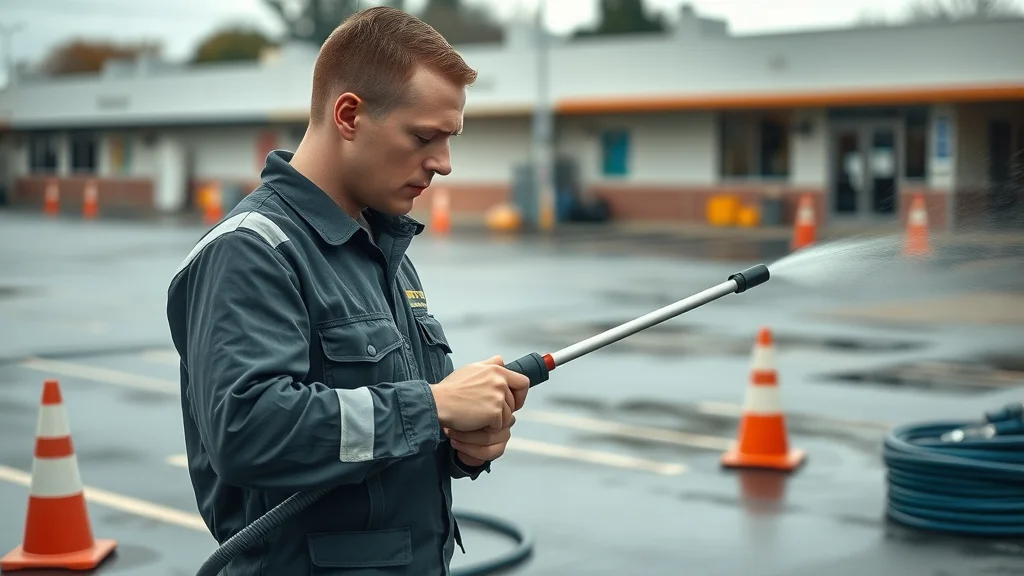
Common Health Risks Associated with Pressure Washers
- Musculoskeletal disorders – Back pain, carpal tunnel, and repetitive strain injuries are common due to awkward postures and heavy lifting during pressure washing tasks.
- Repetitive stress injuries – Constant gripping and trigger use can inflame tendons, especially without ergonomic features.
- Slips and falls – High water pressure creates wet, slippery conditions, increasing the likelihood of lost footing.
"Musculoskeletal injuries from improper pressure washing techniques account for a significant percentage of tech absenteeism annually."
In addition to physical risks, techs face hazards from flying debris, improper chemical handling, and accidental contact with hot water pressure washers. Each of these underscores the necessity of active risk management and regular safety training for those operating a pressure washer.
Pressure Washer Equipment: Choosing Tools for Health and Ergonomics
The right equipment can make all the difference in pressure washing health and ergonomics. Non-ergonomic pressure washers, rigid hoses, and hard triggers not only slow down the job, but also amplify risk for injuries and chronic conditions. Investing in equipment specifically designed for ergonomic safety is among the smartest long-term decisions any technician or business owner can make.
Selecting the Best Ergonomic Pressure Washers
When choosing a pressure washer, look for models that prioritize user comfort and adjustability. Ergonomic pressure washers often feature soft-grip handles, lighter wands, and intuitively placed triggers to reduce wrist and hand fatigue. Opt for pressure washers weighing under 60 lbs for frequent transport, and check for motor vibration dampeners to lessen strain on arms and shoulders. If you clean large work areas or routinely move equipment, a wheeled cart may be essential. High quality brands now offer telescopic wands, flexible hoses, and quick-release connections to further ease repetitive movements. The result is a safer, more sustainable workflow—helping you avoid the chronic issues commonly seen among those pressured to complete jobs fast with the wrong tools.
Key Features: Handles, Triggers, and Adjustable Nozzles
Pressure washing equipment has evolved, with modern designs integrating ergonomics into handles, triggers, and nozzles. Look for handles that allow a firm but comfortable grip, ideally with padded surfaces to cushion vibration. Triggers should require minimal force to prevent hand and finger fatigue during long jobs. Adjustable nozzles and telescoping wands allow you to change the spray angle and distance without awkward stretching or bending—a crucial aspect of pressure washing health and ergonomics. Don’t overlook the importance of quick connects and swivel joints, which minimize hose tangling and wrist rotation. These small design improvements can significantly reduce the risk of repetitive stress injuries and help you stay safe throughout every pressure wash task. Maintaining Your Pressure Washer for Optimal Performance Routine maintenance is more than prolonging equipment lifespan; it’s also a critical part of your pressure washing health and ergonomics strategy. Regularly check hoses, triggers, and nozzles for cracks or leaks—a frayed hose or faulty trigger increases the effort required and can unexpectedly fail, leading to washer injuries or hazardous high pressure water spray. Lubricate moving parts and keep nozzles unblocked to reduce the hand force needed for effective cleaning. Clean your filters and water intake systems to prevent drop in pressure or surges that require extra muscle power. By keeping your pressure washer in prime condition, you not only power through work more efficiently but also place less stress on your body, reducing fatigue and risk. Building a Foundation: Posture and Lifting During Pressure Wash Tasks Healthy technique starts with the basics: your posture and lifting form. Improper bending, twisting, or heavy lifting magnifies your risk of back injuries and prolonged recovery. Understanding these mechanics and making them habit is core to pressure washing health and ergonomics. Correct Posture Techniques for Pressure Washing Standing upright with a slight bend in the knees and a stable, shoulder-width stance is ideal when operating a pressure washer. Avoid hunching over or exaggerated reaching; keep the hose close to your body and switch hands periodically to reduce fatigue. Adjust the height of the wand when possible to maintain neutral wrist and elbow alignment—this helps avoid cumulative strain. Plant your feet firmly when handling high pressures or working for extended periods, especially on slippery or uneven surfaces, to minimize slips and falls. By focusing on posture, you create a strong foundation for safer, more efficient pressure washing, protect sensitive joints, and enhance your productivity and longevity in the field. Safe Lifting: Handling Heavy Pressure Washer Components Heavy hoses, water tanks, and large wands aren’t just awkward—they pose a real risk when lifted incorrectly. Always bend at your knees, not the waist, when picking up pressure washers or accessories. Keep the load close to your body, and avoid rapid twisting motions to protect your spine and lower back. Use team lifts for equipment and roads or farm equipment that are exceptionally large or cumbersome, and take advantage of carts, dollies, or ergonomic handles whenever possible. Remember, showing off strength isn’t worth the downtime caused by a preventable injury; safe lifting is a skill that protects your most valuable asset—your health. Stretching and Warm-ups to Stay Safe Starting your shift with a targeted warm-up routine pays dividends for both flexibility and injury prevention. Take five minutes to perform full-body stretches, focusing on wrists, back, shoulders, and legs before operating a pressure washer. Gentle wrist circles, shoulder rolls, and light squats can help prime muscles and increase circulation, making you less susceptible to strains as you work. Break up long jobs with periodic stretching breaks—especially if you notice tightness or fatigue. These routines, combined with mindful posture and proper lifting, lay the groundwork for lasting pressure washing health and ergonomics. Essential Safety Gear for Pressure Washing Health and Ergonomics The importance of proper safety gear with pressure washing cannot be overstated. The right protective equipment—when worn consistently—guards against both sudden and cumulative injuries. In addition to the obvious risks from high pressure water stream and flying debris, protective wear reduces fatigue and supports overall ergonomic safety. Using the Right Safety Gear: Gloves, Safety Footwear, and Long Pants Prioritize gloves with a comfortable, non-slip grip and padding to absorb vibration. Sturdy, water-resistant safety boots prevent slips and shield your feet from mishaps with hot water or harsh cleaning chemicals. Long pants protect legs from the tool that sprays water at high pressures, as well as from chemical splashes and abrasions caused by flying debris. Your proper PPE (personal protective equipment) package should be rounded out with a high-visibility vest when cleaning near traffic or on work sites. Investing in durable, comfortable safety gear is just as important as selecting the right pressure washer—it’s what stands between you and a spectrum of pressure washer injuries. Eye Protection and Face Shields for Safe Pressure Washing Every pressure washing technician should wear impact-rated eye protection, especially when using a power washer or cleaning high up where gravity can send debris downwards. Choose goggles or wrap-around safety glasses that seal well and don’t fog up easily. For jobs involving strong chemicals or direct work with hot water pressure washers, a face shield provides additional coverage, guarding your face from splashes and accidental nozzle slips. Even a split-second exposure to pressurized water or cleaning solutions can cause serious eye injuries or require immediate medical attention, so never skip this critical piece of proper PPE. Minimizing Exposure to High Pressure and Chemicals Limit your contact with high pressure water by keeping a safe distance from the nozzle and always directing the water stream away from your body and coworkers. If possible, use attachments—such as angled wands or wand extenders—that let you clean without crouching or overreaching. When mixing or spraying chemicals, wear chemical-resistant gloves, long sleeves, long pants, and, where appropriate, a respirator. Always read chemical safety instructions, and never operate a pressure washer with frayed hoses or loose fittings—unexpected surges in pressure can create new hazards in an instant. Vigilant maintenance and proper safety procedures help you stay safe on every job. Comparison of Safety Gear for Pressure Washing Health and Ergonomics Safety Gear Key Features Effectiveness Comfort Impact-rated Gloves Grip, vibration-absorbing, water-resistant Guards hands from vibration, chemicals, and hot water High (choose breathable, flexible types) Safety Boots Anti-slip sole, waterproof, steel toe Protects feet from slips, falling objects, water and chemicals Medium to high (depends on fit and material) Long Pants Thick, durable, quick-dry material Shields legs from debris, chemicals, and abrasion High (with proper fit/breathable fabrics) Eye Protection Wrap-around, anti-fog, impact-resistant Prevents eye injuries from debris and spray High (look for adjustable, cushioned frames) Face Shield Full-face, chemical-splash resistant Protects face and eyes during chemical or overhead work Medium (ensure ventilation and secure fit) Practical Tips for Reducing Strain When Operating Pressure Washers Job rotation – Share tasks among your team to avoid repetitive strain Frequent breaks – Pause every 30–60 minutes to rest and stretch muscles Tool swapping – Switch between wands, lances, or pressure washers to change movement patterns Using support tools – Carts, rollers, and hose reels can minimize lifting and awkward pulling These strategies for reducing strain are central to effective pressure washing health and ergonomics. Apply them consistently for a safer, more productive work experience. Effective Workflows for Ergonomic Pressure Washing Tasks Organizing your work for maximum efficiency and minimum strain involves more than just pacing yourself—it requires proactive team collaboration and smart task management. Start by mapping out your work area, noting any challenging spots, and assigning team members to rotate between demanding and lighter tasks. For larger jobs, designate roles such as equipment handling, spraying, and post-job cleaning, so no single tech is subject to repetitive stress for hours on end. Using support carts and rolling toolboxes means heavy gear never has to be carried further than necessary. Build workflow pauses every hour for micro-breaks and hydration, which can halve the risk of fatigue-related washer injuries. By treating ergonomics as a collective responsibility, pressure washing crews stay safer, healthier, and more productive. Pressure Wash Techniques to Protect Back and Joints Simple technique tweaks can make a dramatic difference in reducing repetitive stress and back injuries. Use two hands on the wand for greater stability during high pressure operations, and keep the nozzle moving in wide, even sweeps rather than short, jerky bursts. Avoid locking your elbows, and try to keep your forearms roughly parallel to the ground, which distributes force more evenly across your joints. If possible, start with the lowest effective water pressure and shortest wand length—and gradually adjust upward only as needed. These practices, combined with regular stretching and mindful posture, are the foundation of pressure washing health and ergonomics. People Also Ask: Pressure Washing Health and Ergonomics What is the best way to protect your back during pressure washing? To protect your back while pressure washing, always maintain a neutral spine, bend at the knees rather than the waist when lifting or maneuvering equipment, and use ergonomic pressure washer accessories designed to reduce bending and overreaching. How can ergonomics reduce the risk of injury for pressure washer techs? Ergonomics allows techs to use body mechanics that minimize strain, utilize pressure washers with adjustable features for safe handling, and select safety gear that supports joint health. FAQs: Pressure Washing Health and Ergonomics Do you need specialized training for ergonomic safety when operating a pressure washer? Yes, specialized training in ergonomic safety can dramatically reduce injury risk for those operating a pressure washer. Training covers safe lifting, proper use of support tools, adjusting equipment for best fit, and essential stretching routines—all core elements of pressure washing health and ergonomics that protect back, joints, and overall health. What injuries are most common among pressure washing techs? The most common injuries reported are musculoskeletal disorders, particularly to the lower back, wrists, and shoulders. Other frequent injuries include repetitive stress, hand and finger fatigue from high pressure triggers, slips and falls in wet work areas, and eye injuries from flying debris or pressurized spray. Which pressure washing accessories help prevent musculoskeletal injuries? Accessories such as padded, ergonomic handles, telescopic wands, rotating nozzles, and hose reels are specifically designed to reduce repetitive strain and heavy lifting. Support carts, anti-vibration gloves, and properly fitting safety gear further minimize risk, helping maintain optimal pressure washing health and ergonomics across all tasks. Key Takeaways on Pressure Washing Health and Ergonomics Prioritize ergonomic equipment for every pressure wash task Incorporate safe lifting, stretching, and pressure washing techniques Never skip safety gear; it’s integral to pressure washing health and ergonomics Stay Safe and Productive: Apply These Pressure Washing Health and Ergonomics Tactics Today By implementing ergonomic tools, sound technique, and reliable safety gear, every technician can stay safe, avoid injuries, and sustain their productivity—both now and for years to come. If you’re ready to take your pressure washing expertise to the next level, consider how technology can further enhance your business’s safety, efficiency, and growth. Integrating innovative solutions—like AI-driven video tools—not only streamlines training and marketing but also helps you communicate your commitment to health and ergonomics with clients and your team. For a deeper dive into how these advanced strategies can set your business apart, explore the full article on revolutionizing your pressure washing marketing with AI tools. Embracing both ergonomic best practices and smart technology ensures you’re building a safer, more resilient, and future-ready operation.




Write A Comment