Add Row
Add Element
cropper
update

PRESSURE WASHING TRIBE

update
Add Row
Add Element
cropper
update
Pressure Washing Tribe
cropper
update
February 22.2025
3 Minutes Read

Unlocking Profitability: What Every Pressure Washing Business Should Know About Cost Accounting

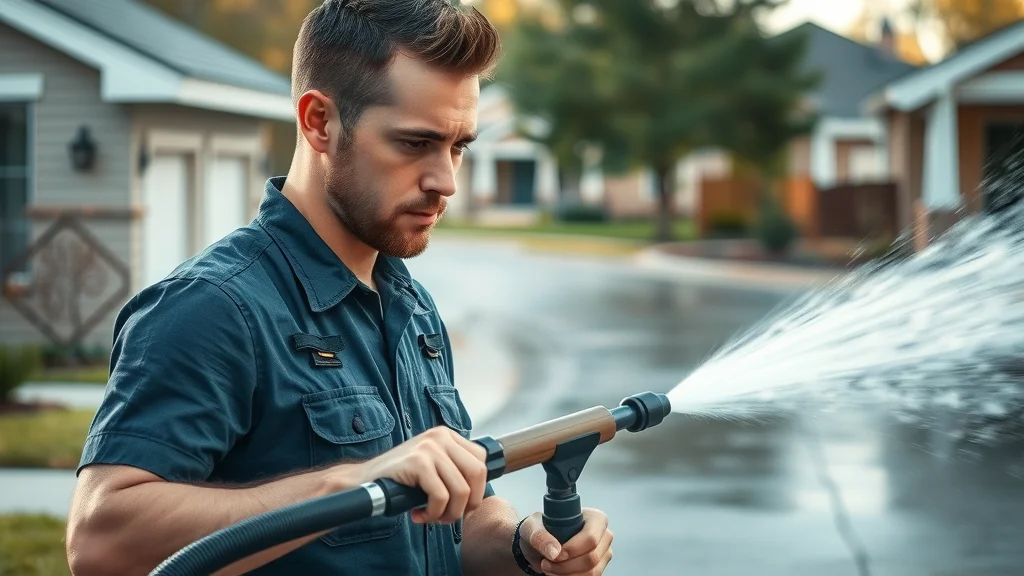
Workspace for cost accounting in pressure washing business


The Essential Guide to Cost Accounting for Pressure Washing Businesses

In the competitive landscape of the pressure washing industry, understanding the financial intricacies of your operations is crucial. Cost accounting serves as a vital tool that helps business owners analyze their financial health and make informed decisions. By accurately categorizing costs, from fixed expenses to variable operational outlays, pressure washing companies can create a solid plan that maximizes profitability while minimizing waste.

Understanding Cost Accounting

Cost accounting involves tracking, recording, and analyzing all costs associated with producing a service. For pressure washing businesses, this includes not just direct expenses like labor and materials but also indirect costs such as equipment maintenance and marketing. Key types of costs to track include:

  • Fixed Costs: These remain constant regardless of the amount of work done. They typically include things like equipment leases, insurance, and salaries.

  • Variable Costs: These fluctuate based on the level of service provided, such as water usage, cleaning supplies, and labor for different jobs.

  • Direct Costs: These are expenses that can be directly attributed to a specific job, like the costs of supplies needed for a particular service.

  • Indirect Costs: Expenses such as advertising materials and administrative wages fall into this category.

Maximizing Profits Through Smart Cost Management

Effective cost accounting can revolutionize how pressure washing businesses operate. Businesses that systematically track their costs can make strategic decisions that lead to improved profit margins. For example, knowing which services yield the highest profit can help owners tailor their marketing efforts to boost these offerings. This aligns perfectly with pressure washing marketing strategies aimed at reaching the ideal target market for pressure washing.

Choosing the Right Cost Accounting Method

There are several methods of cost accounting, each offering unique advantages. In the pressure washing industry, two notable methods could be highly applicable:

  • Job Costing: This method tracks costs for each specific job, which is highly beneficial for contractors that offer varying services and need to keep precise records of each job's expenses.

  • Activity-Based Costing: This approach allows owners to pinpoint cost drivers and optimize expenses related to specific activities, enabling smarter allocation of resources.

Utilizing Cost Data for Marketing and Operations

Once your pressure washing business begins using cost accounting, the data collected can inform both marketing strategies and operational efficiency. Consider how understanding the costs associated with various cleaning techniques can influence service pricing and customer outreach strategies. This becomes especially important when considering materials for digital pressure washing marketing materials that target potential clients. A comprehensive grasp of costs can also streamline your responses to how to advertise your pressure washing business, ensuring ad spend generates a positive ROI.

Benefits and Practical Steps for Implementation

Implementing a solid cost accounting framework not only boosts profitability but also enhances decision-making capabilities. To establish an effective system, consider these steps:

  1. Identify specific cost objectives that align with your business goals.

  2. Choose a suitable cost accounting software, such as QuickBooks or Xero, tailored for small businesses.

  3. Regularly analyze collected data to recognize trends that can inform your operational adjustments.

Embedding these practices into your business operations will pave the way for sustained growth and profitability.

Is Cost Accounting Worth the Investment?

Absolutely! For pressure washing business owners looking to thrive, mastering cost accounting is not just beneficial; it’s essential. It provides clarity on where profits are made and where expenses can be trimmed, enabling you to allocate funds wisely. Moreover, as the industry evolves and competition increases, leveraging this financial strategy could mean the difference between merely surviving and flourishing.

In conclusion, understanding and implementing effective cost accounting practices can be a game-changer for pressure washing businesses. It can help owners make data-driven decisions that boost revenue and streamline operations. If you haven't started exploring cost accounting for your pressure washing business, now is the time to take those crucial first steps!


Operations

Write A Comment

*
*
Related Posts All Posts
12.29.2025

Protect Your Back and Joints: Health and Ergonomic Tips for Pressure Washing Techs

Did you know? Nearly 30% of pressure washing technicians experience a work-related strain or musculoskeletal injury every year, most commonly affecting the back, wrists, and shoulders. With pressure washers capable of generating up to 4,000 PSI, the physical toll is much more than what meets the eye. This comprehensive guide will empower you with practical and research-backed methods to boost your pressure washing health and ergonomics, guard your joints, and ensure sustainable productivity—so you stay safe and effective while on the job. Startling Facts: How Pressure Washing Health and Ergonomics Impact Techs Pressure washing health and ergonomics are paramount for anyone tasked with cleaning large areas, equipment, or buildings. From washer injuries to persistent back pain, the impact of improper practices isn’t just discomfort—it can mean lost workdays, costly medical attention, and long-term health issues. Research shows that pressure washer injuries can occur in the blink of an eye, especially when handling high pressure hoses and awkward equipment, or when working in slippery, wet environments. Techs often underestimate the repetitive motions and force required to handle a pressure washer, leading to an invisible accumulation of stress on back and joints. Addressing these challenges with the right knowledge is the first key to a safer, healthier pressure wash experience. The Hidden Toll: Statistics on Injury and Strain from Pressure Washing Across the industry, musculoskeletal injuries caused by pressure washing equipment consistently account for a significant share of occupational health claims. Data from safety organizations highlights that strains from improper lifting, repetitive stress from operating a pressure washer, and slips on slick surfaces make up most incidences. For example, a study of industrial cleaning sectors showed that 1 in 5 pressure washer technicians reported injuries involving wrists, elbows, or lower back, often requiring days or weeks off for recovery. Notably, using non-ergonomic equipment can triple the risk of repetitive strain injuries. Techs who ignore proper pressure washing health and ergonomics face higher rates of absenteeism and even long-term disability. In this guide, you’ll learn how to minimize these risks, make safe choices, and build long-lasting habits that help you stay safe and productive every day. What You'll Learn in This Pressure Washing Health and Ergonomics Guide Key best practices for pressure washing health and ergonomics How to select ergonomic equipment like pressure washers Preventative tips for back, joint, and repetitive strain injuries Essential safety gear and correct usage Understanding Pressure Washing Health and Ergonomics: Why It Matters Working with a pressure washer isn’t as straightforward as using a simple garden hose. High water pressure, repetitive movements, and demanding work areas combine to create a unique blend of risks for muscle and joint health. The heart of pressure washing health and ergonomics lies in tailoring both the physical workspace and task approach to fit the human body’s capabilities—minimizing harm and maximizing efficiency. With pressure washers, poor ergonomic habits don’t just lead to discomfort; they can cause serious washer injuries that force techs off the job for days or even weeks. From lifting heavy hoses to using power washers at awkward angles, understanding—and respecting—ergonomics protects you from cumulative trauma that can impact your livelihood long-term. While mastering ergonomic techniques is crucial for injury prevention, it's equally important to stay updated on the latest advancements in pressure washing equipment and workflow strategies. For those looking to further optimize their operations, exploring how AI-powered video tools can streamline training and marketing may offer a valuable edge—discover more in this guide on leveraging AI video tools to transform your pressure washing business. Defining Ergonomics in the Context of Pressure Wash Operations Ergonomics is the science of designing tasks, equipment, and worksites to fit the user. In the context of pressure washing, this means outfitting jobs and tools to support natural movements, comfortable postures, and safe lifting techniques. Adjustable wands, cushioned handles, and lightweight hoses all play a role in improving pressure washing health and ergonomics. Moreover, workflows and equipment layout should facilitate upright postures and reduce unnecessary bending and twisting. On a busy jobsite or when cleaning farm equipment, even small adjustments in how you grip a pressure washer or position your stance can prevent sore muscles—and even more serious injuries. Embracing ergonomics isn’t just a “nice-to-have”: it’s a business essential for techs and business owners who rely on top productivity and minimum downtime. Common Health Risks Associated with Pressure Washers Musculoskeletal disorders – Back pain, carpal tunnel, and repetitive strain injuries are common due to awkward postures and heavy lifting during pressure washing tasks. Repetitive stress injuries – Constant gripping and trigger use can inflame tendons, especially without ergonomic features. Slips and falls – High water pressure creates wet, slippery conditions, increasing the likelihood of lost footing. "Musculoskeletal injuries from improper pressure washing techniques account for a significant percentage of tech absenteeism annually." In addition to physical risks, techs face hazards from flying debris, improper chemical handling, and accidental contact with hot water pressure washers. Each of these underscores the necessity of active risk management and regular safety training for those operating a pressure washer. Pressure Washer Equipment: Choosing Tools for Health and Ergonomics The right equipment can make all the difference in pressure washing health and ergonomics. Non-ergonomic pressure washers, rigid hoses, and hard triggers not only slow down the job, but also amplify risk for injuries and chronic conditions. Investing in equipment specifically designed for ergonomic safety is among the smartest long-term decisions any technician or business owner can make. Selecting the Best Ergonomic Pressure Washers When choosing a pressure washer, look for models that prioritize user comfort and adjustability. Ergonomic pressure washers often feature soft-grip handles, lighter wands, and intuitively placed triggers to reduce wrist and hand fatigue. Opt for pressure washers weighing under 60 lbs for frequent transport, and check for motor vibration dampeners to lessen strain on arms and shoulders. If you clean large work areas or routinely move equipment, a wheeled cart may be essential. High quality brands now offer telescopic wands, flexible hoses, and quick-release connections to further ease repetitive movements. The result is a safer, more sustainable workflow—helping you avoid the chronic issues commonly seen among those pressured to complete jobs fast with the wrong tools. Key Features: Handles, Triggers, and Adjustable Nozzles Pressure washing equipment has evolved, with modern designs integrating ergonomics into handles, triggers, and nozzles. Look for handles that allow a firm but comfortable grip, ideally with padded surfaces to cushion vibration. Triggers should require minimal force to prevent hand and finger fatigue during long jobs. Adjustable nozzles and telescoping wands allow you to change the spray angle and distance without awkward stretching or bending—a crucial aspect of pressure washing health and ergonomics. Don’t overlook the importance of quick connects and swivel joints, which minimize hose tangling and wrist rotation. These small design improvements can significantly reduce the risk of repetitive stress injuries and help you stay safe throughout every pressure wash task. Maintaining Your Pressure Washer for Optimal Performance Routine maintenance is more than prolonging equipment lifespan; it’s also a critical part of your pressure washing health and ergonomics strategy. Regularly check hoses, triggers, and nozzles for cracks or leaks—a frayed hose or faulty trigger increases the effort required and can unexpectedly fail, leading to washer injuries or hazardous high pressure water spray. Lubricate moving parts and keep nozzles unblocked to reduce the hand force needed for effective cleaning. Clean your filters and water intake systems to prevent drop in pressure or surges that require extra muscle power. By keeping your pressure washer in prime condition, you not only power through work more efficiently but also place less stress on your body, reducing fatigue and risk. Building a Foundation: Posture and Lifting During Pressure Wash Tasks Healthy technique starts with the basics: your posture and lifting form. Improper bending, twisting, or heavy lifting magnifies your risk of back injuries and prolonged recovery. Understanding these mechanics and making them habit is core to pressure washing health and ergonomics. Correct Posture Techniques for Pressure Washing Standing upright with a slight bend in the knees and a stable, shoulder-width stance is ideal when operating a pressure washer. Avoid hunching over or exaggerated reaching; keep the hose close to your body and switch hands periodically to reduce fatigue. Adjust the height of the wand when possible to maintain neutral wrist and elbow alignment—this helps avoid cumulative strain. Plant your feet firmly when handling high pressures or working for extended periods, especially on slippery or uneven surfaces, to minimize slips and falls. By focusing on posture, you create a strong foundation for safer, more efficient pressure washing, protect sensitive joints, and enhance your productivity and longevity in the field. Safe Lifting: Handling Heavy Pressure Washer Components Heavy hoses, water tanks, and large wands aren’t just awkward—they pose a real risk when lifted incorrectly. Always bend at your knees, not the waist, when picking up pressure washers or accessories. Keep the load close to your body, and avoid rapid twisting motions to protect your spine and lower back. Use team lifts for equipment and roads or farm equipment that are exceptionally large or cumbersome, and take advantage of carts, dollies, or ergonomic handles whenever possible. Remember, showing off strength isn’t worth the downtime caused by a preventable injury; safe lifting is a skill that protects your most valuable asset—your health. Stretching and Warm-ups to Stay Safe Starting your shift with a targeted warm-up routine pays dividends for both flexibility and injury prevention. Take five minutes to perform full-body stretches, focusing on wrists, back, shoulders, and legs before operating a pressure washer. Gentle wrist circles, shoulder rolls, and light squats can help prime muscles and increase circulation, making you less susceptible to strains as you work. Break up long jobs with periodic stretching breaks—especially if you notice tightness or fatigue. These routines, combined with mindful posture and proper lifting, lay the groundwork for lasting pressure washing health and ergonomics. Essential Safety Gear for Pressure Washing Health and Ergonomics The importance of proper safety gear with pressure washing cannot be overstated. The right protective equipment—when worn consistently—guards against both sudden and cumulative injuries. In addition to the obvious risks from high pressure water stream and flying debris, protective wear reduces fatigue and supports overall ergonomic safety. Using the Right Safety Gear: Gloves, Safety Footwear, and Long Pants Prioritize gloves with a comfortable, non-slip grip and padding to absorb vibration. Sturdy, water-resistant safety boots prevent slips and shield your feet from mishaps with hot water or harsh cleaning chemicals. Long pants protect legs from the tool that sprays water at high pressures, as well as from chemical splashes and abrasions caused by flying debris. Your proper PPE (personal protective equipment) package should be rounded out with a high-visibility vest when cleaning near traffic or on work sites. Investing in durable, comfortable safety gear is just as important as selecting the right pressure washer—it’s what stands between you and a spectrum of pressure washer injuries. Eye Protection and Face Shields for Safe Pressure Washing Every pressure washing technician should wear impact-rated eye protection, especially when using a power washer or cleaning high up where gravity can send debris downwards. Choose goggles or wrap-around safety glasses that seal well and don’t fog up easily. For jobs involving strong chemicals or direct work with hot water pressure washers, a face shield provides additional coverage, guarding your face from splashes and accidental nozzle slips. Even a split-second exposure to pressurized water or cleaning solutions can cause serious eye injuries or require immediate medical attention, so never skip this critical piece of proper PPE. Minimizing Exposure to High Pressure and Chemicals Limit your contact with high pressure water by keeping a safe distance from the nozzle and always directing the water stream away from your body and coworkers. If possible, use attachments—such as angled wands or wand extenders—that let you clean without crouching or overreaching. When mixing or spraying chemicals, wear chemical-resistant gloves, long sleeves, long pants, and, where appropriate, a respirator. Always read chemical safety instructions, and never operate a pressure washer with frayed hoses or loose fittings—unexpected surges in pressure can create new hazards in an instant. Vigilant maintenance and proper safety procedures help you stay safe on every job. Comparison of Safety Gear for Pressure Washing Health and Ergonomics Safety Gear Key Features Effectiveness Comfort Impact-rated Gloves Grip, vibration-absorbing, water-resistant Guards hands from vibration, chemicals, and hot water High (choose breathable, flexible types) Safety Boots Anti-slip sole, waterproof, steel toe Protects feet from slips, falling objects, water and chemicals Medium to high (depends on fit and material) Long Pants Thick, durable, quick-dry material Shields legs from debris, chemicals, and abrasion High (with proper fit/breathable fabrics) Eye Protection Wrap-around, anti-fog, impact-resistant Prevents eye injuries from debris and spray High (look for adjustable, cushioned frames) Face Shield Full-face, chemical-splash resistant Protects face and eyes during chemical or overhead work Medium (ensure ventilation and secure fit) Practical Tips for Reducing Strain When Operating Pressure Washers Job rotation – Share tasks among your team to avoid repetitive strain Frequent breaks – Pause every 30–60 minutes to rest and stretch muscles Tool swapping – Switch between wands, lances, or pressure washers to change movement patterns Using support tools – Carts, rollers, and hose reels can minimize lifting and awkward pulling These strategies for reducing strain are central to effective pressure washing health and ergonomics. Apply them consistently for a safer, more productive work experience. Effective Workflows for Ergonomic Pressure Washing Tasks Organizing your work for maximum efficiency and minimum strain involves more than just pacing yourself—it requires proactive team collaboration and smart task management. Start by mapping out your work area, noting any challenging spots, and assigning team members to rotate between demanding and lighter tasks. For larger jobs, designate roles such as equipment handling, spraying, and post-job cleaning, so no single tech is subject to repetitive stress for hours on end. Using support carts and rolling toolboxes means heavy gear never has to be carried further than necessary. Build workflow pauses every hour for micro-breaks and hydration, which can halve the risk of fatigue-related washer injuries. By treating ergonomics as a collective responsibility, pressure washing crews stay safer, healthier, and more productive. Pressure Wash Techniques to Protect Back and Joints Simple technique tweaks can make a dramatic difference in reducing repetitive stress and back injuries. Use two hands on the wand for greater stability during high pressure operations, and keep the nozzle moving in wide, even sweeps rather than short, jerky bursts. Avoid locking your elbows, and try to keep your forearms roughly parallel to the ground, which distributes force more evenly across your joints. If possible, start with the lowest effective water pressure and shortest wand length—and gradually adjust upward only as needed. These practices, combined with regular stretching and mindful posture, are the foundation of pressure washing health and ergonomics. People Also Ask: Pressure Washing Health and Ergonomics What is the best way to protect your back during pressure washing? To protect your back while pressure washing, always maintain a neutral spine, bend at the knees rather than the waist when lifting or maneuvering equipment, and use ergonomic pressure washer accessories designed to reduce bending and overreaching. How can ergonomics reduce the risk of injury for pressure washer techs? Ergonomics allows techs to use body mechanics that minimize strain, utilize pressure washers with adjustable features for safe handling, and select safety gear that supports joint health. FAQs: Pressure Washing Health and Ergonomics Do you need specialized training for ergonomic safety when operating a pressure washer? Yes, specialized training in ergonomic safety can dramatically reduce injury risk for those operating a pressure washer. Training covers safe lifting, proper use of support tools, adjusting equipment for best fit, and essential stretching routines—all core elements of pressure washing health and ergonomics that protect back, joints, and overall health. What injuries are most common among pressure washing techs? The most common injuries reported are musculoskeletal disorders, particularly to the lower back, wrists, and shoulders. Other frequent injuries include repetitive stress, hand and finger fatigue from high pressure triggers, slips and falls in wet work areas, and eye injuries from flying debris or pressurized spray. Which pressure washing accessories help prevent musculoskeletal injuries? Accessories such as padded, ergonomic handles, telescopic wands, rotating nozzles, and hose reels are specifically designed to reduce repetitive strain and heavy lifting. Support carts, anti-vibration gloves, and properly fitting safety gear further minimize risk, helping maintain optimal pressure washing health and ergonomics across all tasks. Key Takeaways on Pressure Washing Health and Ergonomics Prioritize ergonomic equipment for every pressure wash task Incorporate safe lifting, stretching, and pressure washing techniques Never skip safety gear; it’s integral to pressure washing health and ergonomics Stay Safe and Productive: Apply These Pressure Washing Health and Ergonomics Tactics Today By implementing ergonomic tools, sound technique, and reliable safety gear, every technician can stay safe, avoid injuries, and sustain their productivity—both now and for years to come. If you’re ready to take your pressure washing expertise to the next level, consider how technology can further enhance your business’s safety, efficiency, and growth. Integrating innovative solutions—like AI-driven video tools—not only streamlines training and marketing but also helps you communicate your commitment to health and ergonomics with clients and your team. For a deeper dive into how these advanced strategies can set your business apart, explore the full article on revolutionizing your pressure washing marketing with AI tools. Embracing both ergonomic best practices and smart technology ensures you’re building a safer, more resilient, and future-ready operation.

12.23.2025

Safety First: The Ultimate Pressure Washing Jobsite Safety Checklist

Did you know? Pressure washer injuries send thousands to the ER each year—prevention starts with a diligent safety checklist. A Startling Truth: Why a Pressure Washing Safety Checklist Is Vital for Every Jobsite Pressure washer injuries send thousands to the ER each year—prevention starts with a diligent safety checklist. Pressure washing is an everyday necessity on construction sites and in industrial settings. Yet, despite its routine nature, operating a pressure washer can be hazardous. Each year, countless workers suffer injuries ranging from minor lacerations to life-altering wounds—accidents often caused by overlooked steps or missing safety precautions. The pressure washing safety checklist is not just a set of guidelines. It is a proven, practical tool that protects lives, prevents potential damage, and streamlines daily operations. By embracing a robust inspection checklist, your team can avoid hazards and injuries that are easily preventable. This guide aims to equip you with a comprehensive safety framework that goes far beyond the basics, spotlighting the critical elements that keep your crew safe and your jobsite compliant. Whether you’re a seasoned foreman or a new operator, this essential content will show you why implementing a safety checklist is not a suggestion—it’s a necessity for every jobsite. Understanding the Impact of Jobsite Accidents: The Importance of Pressure Washer Safety Jobsite accidents involving pressure washers are far more common—and severe—than many realize. High-pressure water jets can cut through skin and tissue, sometimes even reaching bone. Beyond the physical trauma, these incidents often result in costly downtime, legal complications, and lasting psychological effects for both the injured and their colleagues. When pressure washing is treated as routine, it’s easy for critical steps—like activating trigger lockouts or inspecting the pressure gauge—to be forgotten during a busy day. This is exactly why a strict inspection checklist is your frontline defense. By anchoring your safety routine around documented, repeatable checks, your crew can consistently mitigate the risk of water blast injuries, electrical accidents, and chemical exposure. OSHA requirements and best practices are there to serve a purpose: protecting your workforce from the unseen but ever-present dangers of industrial pressure washing. How a Pressure Washing Safety Checklist Saves Lives and Protects Your Team A properly implemented pressure washer safety checklist is the single most effective way to prevent workplace injuries and equipment failure. This checklist acts as both a proactive maintenance routine and a live record of jobsite readiness. Each check—be it for the heat exchange system, nozzle condition, or site cleanliness—reduces the odds of sudden breakdowns or hazardous incidents. When you make this checklist part of your regular toolbox talk, you create a culture of accountability and awareness. Every team member knows exactly what to look for, how to report issues, and when to escalate concerns to supervisors. This approach is not just a “good idea”—it’s the industry standard for anyone operating a pressure washer in a commercial or industrial environment. The difference between a safe day and a serious accident is often a checklist fully completed and understood by everyone on site. To further enhance your team's safety protocols, consider integrating technology into your daily routines. Leveraging digital tools can streamline your inspection process and ensure no critical step is missed. For a practical look at how modern solutions can support your pressure washing operations, explore how AI-powered video tools are transforming pressure washing business practices and improving both safety and efficiency on the jobsite. What You'll Learn in This Pressure Washing Safety Checklist Guide Key components of a comprehensive pressure washing safety checklist Critical steps for pressure washer maintenance and inspection Best practices for industrial pressure washer operations Common jobsite hazards and how to avoid them How to conduct toolbox talks effectively Core Elements of a Pressure Washing Safety Checklist Inspection Checklist: Daily Walk Around and Equipment Assessment Visual walk around checklist for hoses, nozzles, and fittings Pressure gauge and heat exchange checks Review of industrial pressure washer safety features The heart of every inspection checklist is the daily walk around and equipment assessment. Before operating a pressure washer, it’s critical to complete a visual inspection of all hoses, fittings, and nozzles to ensure they’re free from wear, cracks, or leaks. Even a minor leak under high industrial pressure can quickly escalate into a dangerous water blast or equipment malfunction. Next, check the pressure gauge and heat exchange system to make sure they’re operating within safe limits—overlooked steam leaks or fluctuating pressure are often early signs of potential damage. Finally, pay careful attention to safety features like trigger lockouts and emergency stops. They must be functional and tested every day. This routine is not merely a formality; it’s a foundational process that head-offs potential disasters and reinforces a culture of vigilance around every industrial pressure washer on your site. Personal Protective Equipment (PPE) for Pressure Washing Operators Mandatory gear: gloves, goggles, waterproof boots Additional site-specific PPE Wearing the right personal protective equipment (PPE) is a non-negotiable safety precaution for anyone working with or near a pressure washer. The standard PPE kit includes industrial-grade gloves to prevent lacerations from high-pressure spray, impact-resistant goggles to shield eyes from flying debris, and waterproof boots that minimize the risk of slips and electrical shock. Depending on the chemicals or surfaces involved, additional PPE, such as chemical-resistant aprons, hearing protection, or full-face shields, may be required. Site-specific hazards will dictate what else is necessary. It’s vital that all team members are briefed during each toolbox talk about the PPE requirements specific to their tasks. Consistent use of appropriate PPE is the simplest and most effective way to reduce hazards and injuries during pressure washing operations. Toolbox Talk: Safety Training and Jobsite Communication Preparing and documenting toolbox talks Key talking points for pressure washer hazards Starting each shift with a focused toolbox talk is one of the best ways to keep jobsite safety at the forefront and ensure everyone is reminded of key hazards. During the talk, discuss the day’s specific tasks, review the walk around checklist, and remind the crew of site-specific risks, such as wet walkways, power cable routing, or introducing new chemicals for cleaning. Document every toolbox talk—keep attendance records and highlight particular incidents or near-misses from previous jobs. Make it a habit to rotate speakers, involve the crew by asking for recent observations, or demo the correct way to include an inlet filter check on the pressure washer. This approach engages everyone and reinforces accountability, making safety a shared responsibility and cultivating a safer work environment for all. Pressure Washer Maintenance: Foundation for Safe Operations Essential Washer Maintenance Checklist Regular component checks for industrial pressure Nozzle and hose inspection Heat exchange and lubrication requirements Routine washer maintenance is mission-critical for extending equipment life and avoiding sudden failure that could lead to hazards and injuries. Each maintenance cycle should start with a checklist covering high-stress components: inspect all hoses for abrasions or bulges, scrutinize nozzles for clogs or deformities, and check connectors for tightness and corrosion. Pay close attention to the heat exchange system—clean the burner fuel liner, monitor for leaks, and ensure pressure gauge readings match standard operating ranges. Lubricate moving parts according to the manufacturer’s cleaning schedule. Neglecting even one step can turn a minor problem into a significant failure, with the risk of water blast incidents or fire hazards due to malfunctions in the industrial pressure washer’s heat exchange or lubrication system. Preventive Steps for Pressure Washing Success Monitoring pressure gauge and leak points Signs of wear on equipment and remedy actions Over time, even the toughest industrial pressure washer components will show signs of wear—cracked hoses, worn seals, or faulty pressure gauges can all pose serious risks if left unchecked. Developing a habit of monitoring key points—especially leak-prone joints, connection fittings, and the heat exchange area—will spot issues early. If you see water pooling, steam escaping, or the pressure gauge fluctuating abnormally, it’s best to pause operations immediately and diagnose the issue. Document each find on your inspection checklist and initiate repairs before resuming work. Release any pressure in the hose before disassembling, and keep a cleaning schedule to regularly remove any debris that could impede the burner fuel liner or coil. These proactive steps lower the chance of major breakdowns, save repair costs, and foster a jobsite culture where safety precautions and pressure washer maintenance are second nature. Jobsite Hazards: Recognizing and Preventing Pressure Washing Accidents Hazard Description Prevention Step High-Pressure Injuries Water jet wounds, lacerations Wear PPE, follow inspection checklist Electrical Risks Shock from exposed wiring Ground all equipment, dry handling Chemical Exposure Cleaning fluid burns Use proper gloves, goggles Slips & Falls Wet, uneven surfaces Proper footwear, clear walkways Hot Water and Industrial Pressure Washer Safety Practices Safe use of heat exchange systems Controlling industrial pressure to reduce accident risk Industrial pressure washers with hot water and powerful heat exchange systems require extra vigilance. Always check that the burner fuel liner, coil, and water heating controls are in top condition—never operate with leaks or obstructed vents. For safe operation, set pressure limits according to manufacturer specs, particularly when working on new surfaces or with untrained operators. Familiarize the team with the emergency shutoff and trigger lockout features, especially when handling hotsy water blast units. Emphasize during each toolbox talk that industrial pressure settings should only be adjusted by authorized personnel and that routine maintenance—such as cleaning the heat exchanger or checking belt tension—should never be skipped. These practical steps cut the risk of catastrophic failure, burns, or expensive downtime caused by overlooked details. Incorporating an Inspection Checklist into Daily Pressure Washing Routines Building a Reliable Walk Around Checklist Consistency in inspections before every job Documenting findings and flagging hazards Consistency is key when embedding the walk around checklist into your pressure washing routine. Before starting any job, perform the same sequence of visual checks—review hoses, inspect the nozzle, and confirm that heat exchange systems are clear. Use this checklist not just as a memory aid, but as a detailed log: note every minor crack, leak, or potential hazard, no matter how small. Document your findings daily and communicate any urgent issues directly to the supervisor or maintenance crew. Flagging hazards early and acting on them right away can prevent more costly repairs and hazardous incidents. Over time, your checklist becomes a living record that helps you spot trends and improve overall jobsite safety—making every inspection count. Digital vs. Paper Safety Checklists for Pressure Washing Mobile apps for quick field documentation Benefits of real-time updates and record keeping The modern jobsite is quickly transitioning from traditional paper checklists to digital platforms and mobile apps. Digital safety checklists allow real-time documentation of inspections on-site, ensuring nothing is missed and making it easy to update records on the fly. Field workers can snap photos of wear or potential damage, flag issues instantly, and send updates directly to supervisors or maintenance teams—improving both speed and accuracy. Plus, digital checklists are less likely to be lost, damaged by water, or forgotten. For sites with frequent audits or compliance checks, choosing a digital solution offers accessible, searchable records and stronger data security. That said, some teams may still prefer the tactile, pen-and-paper record for certain jobs. The best choice is one that ensures absolute consistency and accountability in your pressure washer safety program. Watch a dynamic, step-by-step walkthrough video of a professional team performing a complete pressure washing jobsite safety checklist, including equipment inspections, PPE checks, and toolbox talk demonstration, shot on location at an industrial site with clear visuals of real procedures and safety gear. Pressure Washing Safety Checklist: FAQs Answered What are the OSHA requirements for pressure washing? OSHA does not have specific standards solely for pressure washing, but relevant regulations include requirements for personal protective equipment, lockout/tagout of electrical connections, and maintaining a safe work environment. Employers must provide training, enforce PPE usage, and regularly update the inspection checklist to align with general industry standards. Always consult current OSHA guidelines and ensure that your policies address all aspects of operating a pressure washer safely. What are the safety precautions for pressure washers? Key safety precautions include always inspecting equipment before use, wearing mandatory PPE like gloves and goggles, verifying that all electrical connections are dry and properly grounded, and never bypassing trigger lockout features. Only operate a pressure washer when all safety interlocks are functional, and hold toolbox talks to reinforce jobsite hazards, correct techniques, and chemical handling protocols. Stay alert for hazards such as leaks, damaged hoses, or improper nozzle use. Do you need an LLC to power wash? While you do not legally require an LLC to operate a pressure washing service, registering your business as an LLC is a good idea for liability protection and credibility. It can shield your personal assets in case of an accident or property damage claim. Whether you're using industrial pressure washers on a large construction site or operating a mobile service, proper business registration, insurance, and adherence to safety checklists are key to professionalism and compliance. What is the pre use checklist for a pressure washer? A pre-use inspection checklist for a pressure washer includes reviewing hoses for cracks, checking all fittings and the pressure gauge, verifying trigger lockout functionality, ensuring the machine is properly grounded, inspecting the nozzle for blockages, and confirming there are no signs of leaks on the heat exchange or burner fuel liner. Additionally, make sure the job area is free of debris, PPE is worn, and all safety interlocks are tested before operation. See real-world examples of common safety oversights—like skipping a walk around checklist, neglecting nozzle inspections, or ignoring pressure gauge anomalies—that can lead to dangerous incidents with industrial pressure washers. Each mistake is analyzed with practical solutions to implement immediately. Key Takeaways From the Ultimate Pressure Washing Safety Checklist Structured inspection checklist reduces on-the-job risks Regular washer maintenance keeps equipment safe and reliable PPE and toolbox talks are critical for compliance and protection Conclusion: Elevate Safety with a Robust Pressure Washing Safety Checklist Start every job with a dedicated safety checklist to protect your crew, safeguard your equipment, and foster a culture of vigilance. If you’re ready to take your safety culture to the next level, consider how innovative strategies and technology can further enhance your operations. Exploring advanced approaches—such as integrating AI-driven tools for training, documentation, and marketing—can help your business stand out while maintaining the highest safety standards. For a deeper dive into how these cutting-edge solutions are reshaping the industry, discover the benefits of revolutionizing your pressure washing business with AI-powered video tools. Embracing these advancements not only streamlines compliance but also positions your team for long-term growth and success in a competitive market. Ready to Transform Your Team’s Safety Culture? Download Our Free Pressure Washing Safety Checklist Today!

12.22.2025

How to Find, Hire, and Keep Great Pressure Washing Technicians in a Tough Labor Market

In today’s competitive labor market, over 65% of pressure washing businesses cite labor shortages as their top challenge. If you’re struggling to find, hire, and retain reliable pressure washing technicians, you’re not alone. This complete guide will equip you with actionable tips, insider strategies, and step-by-step approaches—from sourcing applicants to turning new hires into seasoned pros. Let’s help you build a power wash team that stands out, even when the talent pool feels dry. Why Hiring Pressure Washing Technicians Is Harder Than Ever "According to recent industry reports, over 65% of pressure washing businesses cite labor shortages as their top challenge." The Current State of the Pressure Washing and Power Washing Job Market The demand for power washing and window cleaning services is quickly outpacing the available workforce. With more homeowners and businesses prioritizing clean, presentable spaces, opportunities for skilled pressure wash technicians abound. Yet, as more service companies spring up, the talent pool of experienced candidates thins. Many pressure washing companies report seeing fewer qualified applicants, with a shift toward applicants lacking proper training or certifications. For those seeking to start browsing jobs in this field, the competition is fierce on both sides—employers want reliability, while job seekers look for flexibility and career growth. On top of the high demand, the nature of pressure washing service itself is demanding. It’s hard work—technicians require not only stamina and mechanical ability but also customer service finesse. Some job seekers are drawn to more flexible roles or industries with less physical labor. If you want to attract committed technicians, you’ll need to offer more than a basic paycheck and ensure candidates see genuine opportunity in power washing services. These market realities demand a new, strategic approach to hiring pressure washing technicians. Labor Market Trends Impacting Hiring Pressure Washing Technicians Several trends have converged to make hiring pressure washing technicians even more challenging. The rise of gig economy jobs means many candidates are browsing jobs that offer flexible schedules or no long-term commitment. Competing service industries—like landscaping or janitorial work—can siphon away potential hires. In addition, post-pandemic shifts drove up wage expectations in skilled trades, making it tougher for small outfits to keep up with the top companies in terms of pay and benefits. Beyond pay, prospective employees also seek stability, transparent career progression, and a positive work culture. Addressing these interests and personal aspects is now crucial. All these factors ultimately affect how you position your pressure washer job listings and what you offer new team members. Adaptability, creativity, and genuine investment in your technicians can set your company apart in this competitive hiring landscape. What You'll Learn About Hiring Pressure Washing Technicians Key strategies for sourcing top pressure washing and power washing talent Practical tactics to increase technician retention Competitive compensation benchmarks for pressure washing jobs How to create attractive pressure washer job listings Mistakes to avoid when hiring pressure washing technicians Where to Find Top Pressure Washing Technicians for Hire Finding the right candidates for your pressure washing service can be challenging but targeting the right sources increases your odds of attracting high-quality applicants. Start by thinking beyond just skill level—focus on reliability, communication skills, and a willingness to learn. Actively recruiting through both traditional and creative channels will ensure your talent pool is robust and diverse. Building relationships with local trade programs and leveraging your connections in the window cleaning and power washing communities can yield direct referrals for technician roles. At the same time, strengthening your business’s employer brand—by showcasing positive workplace culture and growth opportunities—will attract the hard-working individuals needed to drive your washing service forward. Best Practices for Pressure Wash Hiring: Using Online Platforms, Agencies, and Networking The most effective hiring managers understand that the days of posting a single ad and waiting for a flood of candidates are gone. Today, use multiple recruitment channels: online job boards like Indeed, ZipRecruiter, and LinkedIn are essential for reaching wider pools of technicians interested in power washing services. Consider staffing agencies specializing in trades, which pre-vet candidates and streamline background checks, making your hiring process more efficient. Networking remains powerful—attend local trade shows, join industry groups, and collaborate with nearby window cleaning or janitorial companies. These connections often lead to strong referrals, especially for candidates who are already familiar with the rigors of a pressure wash or are seeking to specialize further. Encourage your employees to use their networks as well, offering incentives for successful referrals that lead to long-term hires. As you refine your recruitment process, consider how technology can further streamline your efforts. For example, integrating AI-driven video tools into your marketing and hiring workflow can help you attract more qualified candidates and showcase your company culture in a compelling way. Discover practical ways to leverage AI video tools to transform your pressure washing business marketing and stand out in a crowded labor market. Leveraging Window Cleaning and Power Wash Industry Connections Creating partnerships within the window cleaning and power washing sectors can dramatically improve your hiring results. Many top companies swap referrals, share job openings, and even pool together for shared training sessions. This collaborative approach not only broadens your reach but allows you to tap a workforce already versed in the basics of customer interaction and on-site safety practices necessary for pressure washing. Further, partnering with vocational schools or trade programs yields a steady stream of candidates trained in essential safety and operational protocols—key when you need reliable pressure washer operators. By fostering these connections, your business can remain top-of-mind for graduates and seasoned workers alike who are browsing jobs that fit their interests and personal career goals. Indeed, ZipRecruiter, and LinkedIn for pressure washer recruitment Partnering with vocational schools and trade programs Employee referral incentives for pressure washing teams How to Create an Effective Pressure Washing Technician Job Description Writing a clear, compelling job description is crucial for attracting quality pressure wash talent. Start with a concise headline featuring popular titles like “Pressure Washing Technician” or “Power Wash Specialist.” Describe the scope of work, from residential to commercial projects, and list out day-to-day responsibilities. Requirements should include experience (with pressure washer and power washing equipment), valid drivers license, ability to work in various weather conditions, and commitment to safety. Highlight what sets your company apart—flexible schedule, training opportunities, or pathways to advancement. Be transparent about compensation, including hourly rates and any overtime incentives. It’s also a good idea to reference your company’s values and expectations around teamwork, communication, and customer service, all of which are integral to thriving in the pressure washing industry and retaining your best technicians long-term. Essential Skills for Hiring Pressure Washing Technicians The best pressure washing technicians are not just able to handle equipment—they’re adaptable problem-solvers and excellent communicators. Look for candidates who possess key technical skills, such as operating commercial-grade pressure washers and understanding differences between surface types for both pressure washing and power washing projects. Knowledge of OSHA safety standards and the ability to maintain a valid drivers license is a must for compliance and operational integrity. Soft skills carry equal weight. Exceptional technicians demonstrate reliability, attention to detail, and a genuine commitment to customer satisfaction. Previous experience in window cleaning or washing services is an added bonus, signaling versatility and comfort with similar equipment and customer environments. These blended technical and personal aspects ensure the technician can handle the day-to-day demands of your pressure washing service with professionalism and skill. Including Power Washing, Window Cleaning, and Customer Service Experience Skillset Importance Description Pressure Washing High Proficiency with all equipment Safety Protocol Knowledge High Compliance with OSHA standards Power Washing High Experience with various surfaces Window Cleaning Medium Versatile service offering Customer Service High Professional customer interaction When posting your job, emphasize the value of not only pressure wash skills but also power wash experience, attention to OSHA safety standards, and background in window cleaning. These diverse capabilities ensure your new hires can support the full spectrum of your company’s offerings. A technician comfortable with both physical and client-facing aspects of the job adds versatility to your team, allowing your washing service to stand out in a crowded market. Interviewing and Evaluating Pressure Washing Technician Candidates A structured interview process is your first barrier against bad hires. Develop a set of technical and behavioral questions aimed at uncovering each candidate’s experience with power washing, pressure washing, and even window cleaning. Evaluating both their understanding of machinery and their approach to tricky customer situations provides a 360-degree view of their potential. When possible, observe hands-on demonstrations to verify skill levels and ensure safety protocol compliance. Reference checks and thorough background check procedures are just as important as technical interviews. Confirming steady work history helps screen candidates for reliability—critical in a field where every technician directly impacts your company's reputation. These steps, though time-consuming, result in lower turnover and stronger team dynamics. Key Questions to Assess Knowledge of Pressure Wash and Power Wash Ask prospective technicians to describe their direct experience with professional pressure washers, including preferred techniques for different surfaces like concrete, siding, and windows. Probe their safety training—do they know how to handle chemical detergents or troubleshoot equipment malfunctions? Customer service questions are equally key: “Describe a time you handled a client complaint during a pressure washing job” or “What do you do if a window cleaning client requests extra services unexpectedly?”. Additional questions can explore technical skills—have they worked solo or as part of a bigger washing service team? Can they explain the difference between standard pressure washing and power washing? Each answer helps clarify not only their hands-on abilities but also their approach to problem-solving and workplace communication. Technical Tests for Pressure Washer Operation Hands-on demonstrations Scenario-based customer service questions Safety protocol quizzes Technical assessments are a non-negotiable part of hiring pressure washing technicians. Set up supervised, on-site demonstrations to see how candidates handle equipment and follow safety protocols. Mock scenarios—for example, dealing with customer questions or equipment breakdowns—reveal their practical knowledge and adaptability. Short quizzes on OSHA standards, cleaning solutions, and machine troubleshooting can quickly separate genuine professionals from those less prepared to deliver top-tier power washing service. Onboarding and Retaining Skilled Pressure Washing Technicians The investment you make in thorough onboarding directly affects how long your technicians stay. Comprehensive orientation sets clear expectations regarding safety, daily procedures, and company culture—do this well, and you’ll build not only expertise but also loyalty. Keep your retention rate high by continuously training your team in both technical and customer-facing aspects, encouraging career growth within your washing service. Demonstrating a commitment to technician well-being—offering transparent feedback, advancement paths, and regular recognition—can turn entry-level hires into long-term cornerstone employees. Companies with the lowest turnover are those that show they value their technicians as people, not just as labor. Best Practices for Training Power Washing and Window Cleaning Staff Instructional overview: hands-on onboarding, real-time safety demos, and group technician workshops for pressure washing hiring managers. A strong onboarding program is essential. Start with job shadowing, allowing new hires to observe veteran pressure washing technicians and ask questions on the fly. Follow up with hands-on practice under supervision, covering nuances of both pressure wash and window cleaning projects. Workshops centered on advanced cleaning techniques, equipment maintenance, and client service can foster team collaboration and help technicians see immediate career advancement opportunities. Provide clear guidelines and written SOPs (Standard Operating Procedures) so every technician understands expectations from day one. Reward ongoing learning with certificates or bonuses—recognition for hard work goes a long way in retaining your best people. Competitive Compensation and Benefits for Pressure Washer Employees "Employee retention often comes down to a sense of growth and opportunity within reputable power washing companies." Compensation is more than just hourly pay. To compete with other top companies and retain top pressure washer talent, you’ll need to consider comprehensive packages: performance bonuses, health insurance, paid time off, and flexible schedule options. In a market where job seekers have their pick of roles, your benefits and growth pathways can set your business apart. Regularly benchmark your pay rates against industry leaders—both locally and nationally. Consider offering referral bonuses or spot awards for hard work beyond standard expectations. Remember, employees who see a future with your company will deliver better service and attract more clients, fueling your pressure washing business’s growth. Pressure Wash Technician Salaries: What to Offer and Why Region Entry-Level Experienced National Avg $15/hr $25/hr Urban Markets $18/hr $30/hr Rural Areas $13/hr $22/hr Pay for pressure washing technicians varies by experience and location. Entry-level candidates typically start at $13–$18 per hour, with experienced technicians earning $22–$30 or more in urban markets offering premium services. Consider these figures when crafting job listings or negotiating pay; being transparent and competitive attracts long-term, high-performing employees and reduces costly turnover. Be sure to highlight pay growth, overtime, performance incentives, and any extra earnings in your recruitment outreach. How Much Do People Charge Per Hour for Pressure Washing? On the client-facing side, professional pressure washing services typically charge between $60 and $100 per hour, depending on region, job complexity, and surfaces being cleaned. Residential projects may trend lower, while commercial or industrial sites command higher rates due to increased safety and equipment requirements. As you hire pressure washing technicians, help them understand how their expertise directly contributes to the business’s ability to charge—and deliver—at these premium price points. How to Find Clients for Pressure Washing and Power Washing Technicians To keep your team busy, you’ll need a steady stream of clients. Use a combination of online marketing (SEO, Google My Business, and social media), referral programs, and traditional advertising like flyers or local sponsorships. Educate your team on upselling—technicians trained in window cleaning can bundle services, providing more value to existing clients and raising ticket prices. Consistently remind staff how exemplary service turns one-off jobs into repeat business and more five-star reviews. Strategic partnerships with realtors, property management companies, and construction firms can generate bulk business accounts. Investing in marketing and equipping technicians to handle initial client inquiries—in person or via phone—ensures seamless follow-up and establishes your reputation as a responsive, professional pressure washing service. Effective Marketing Strategies for Pressure Washing Services Develop a strong digital footprint by maintaining an updated, visually-rich website prominently displaying your pressure washing, window cleaning, and power washing offerings. Encourage clients to leave positive online reviews and engage in neighborhood community apps to grow brand trust. Paid ads targeting “pressure washer near me” or “commercial power washing service” drive traffic from those already browsing jobs or contractors in your area. Don’t forget offline: branded vehicles, uniforms, and demonstration events all increase visibility. Winning at local SEO will help your business appear in “view more details” searches and convert website visitors into paying clients. Train your technicians to be brand ambassadors during every job—word-of-mouth referrals from satisfied customers remain some of the most powerful marketing tools in the industry. How Do You Estimate a Pressure Washing Job? Successful companies base job estimates on a blend of job size (square footage), surface type, job site accessibility, required equipment, and degree of staining or build-up. Start with clear, itemized forms you submit for each site visit: note all client requests, location specifics, water source availability, and preferred cleaning products. Your estimate should clearly define labor hours, materials, and any extra travel fees, allowing for transparent communication with clients. Train your pressure washing technicians to look for add-on opportunities like window cleaning or graffiti removal. A well-articulated quote increases client trust, reduces pricing disputes, and can turn a simple inquiry into a profitable ongoing account for both technicians and the business. How Much Can I Rent a Pressure Washer For? Rental rates for pressure washers depend on machine power, size, and duration. On average, homeowners or small contractors can expect to pay $40 to $100 per day for an entry-level residential pressure washer. Heavy-duty gas-powered or commercial-grade machines may rent for $120–$200 per day or more. Offering advice on equipment rental—even if only to support clients not yet ready for full-service contracts—positions your business as a trusted local resource. Understanding rental and market pricing helps your recruiters and hiring pressure washing technicians benchmark against competitor services and communicate the true value of professional-grade equipment and expertise. This transparency is a win for client acquisition and for technician confidence. FAQs: Hiring Pressure Washing Technicians What certifications should a pressure washing technician have? Most employers expect certification in OSHA compliance and chemical safety. A valid driver’s license is mandatory, and some states require specialized water runoff permits. Training in power wash and window cleaning techniques (often available through trade associations) can set candidates apart. Can technicians transition between power washing and window cleaning roles? Absolutely. Many pressure washing technicians add window cleaning to their skill set, increasing their employability and allowing businesses to cross-train for greater flexibility and higher client satisfaction. What are best practices for background screening? Always perform a thorough background check—verify driving history, run criminal checks related to theft or vandalism, and confirm all certifications. Protecting your business and clients by screening for reliability and professionalism is non-negotiable. Retaining Your Best Pressure Washing and Power Washing Technicians: Key Takeaways Invest in continuous technician training Offer competitive compensation and clear career paths Prioritize workplace safety and open communication Start Building Your Winning Pressure Washing Team The pressure washing industry is ripe for growth—if you find, hire, and keep the right technicians. By focusing on smart recruitment, detailed onboarding, and meaningful retention strategies, your business can weather any labor market storm and emerge as a preferred employer in your region. Ready to start building your winning team? Apply these strategies and secure your place among the industry’s top companies—your next great hire is out there! As you continue to refine your hiring and retention strategies, remember that innovation in your business operations can give you a true competitive edge. Exploring advanced marketing tactics—such as harnessing the power of AI-driven video content—can help you attract not only top technician talent but also more high-value clients. If you’re ready to elevate your brand and reach new audiences, take the next step by learning how AI tools can revolutionize your pressure washing marketing approach. Discover how to transform your pressure washing business with AI-powered video marketing strategies and position your company for long-term success.

Terms of Service

Privacy Policy

Core Modal Title

Sorry, no results found

You Might Find These Articles Interesting

T
Please Check Your Email
We Will Be Following Up Shortly
*
*
*