Add Row
Add Element
cropper
update

PRESSURE WASHING TRIBE

update
Add Row
Add Element
cropper
update
Pressure Washing Tribe
cropper
update
5 Minutes Read

The Power of Updating Social Covers | A Guide for Pressure Washing Businesses


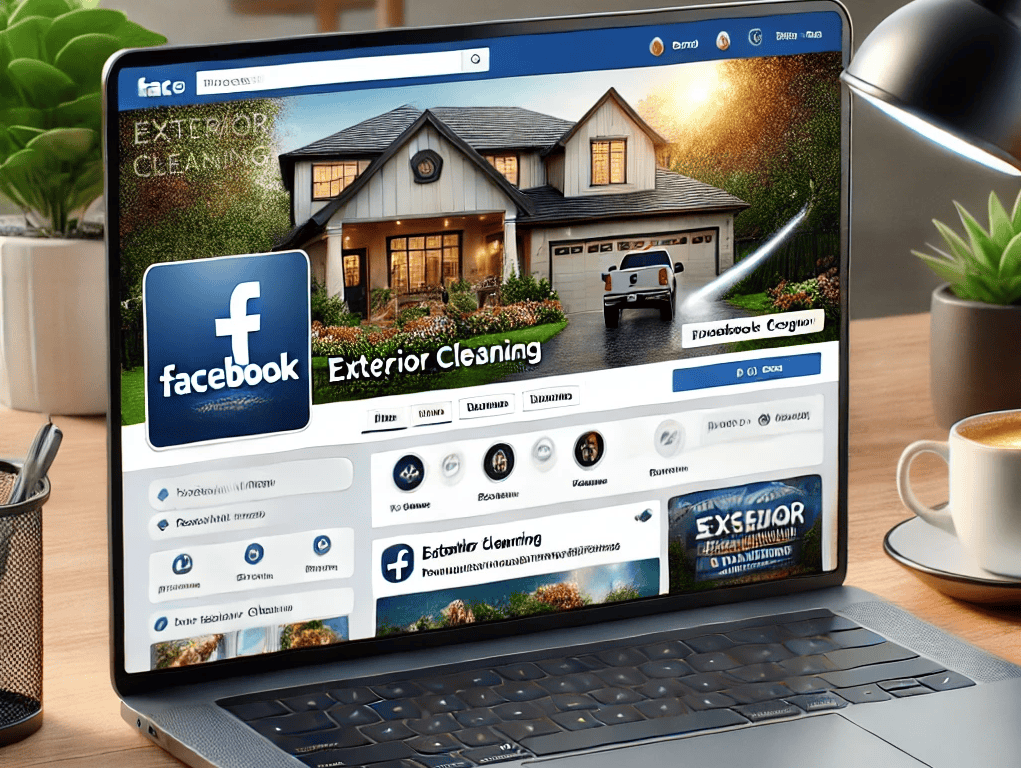
Close-up of a laptop screen showing a Facebook page with a social cover image for pressure washing.

The Power of Updating Social Covers: A Guide for Pressure Washing Businesses


In today’s digital-first world, maintaining an engaging and dynamic online presence is vital for every business, including pressure washing companies. While many focus on ads and regular posts, an often-overlooked strategy is the strategic use of social covers.

These prominent visual elements act as digital billboards on platforms like Facebook, LinkedIn, and YouTube, offering a powerful way to capture attention and convey your brand's message.

Regularly updating your social covers isn’t just about aesthetics—it’s a strategic move that can significantly enhance your online visibility, engagement, and pressure washing lead generation efforts.


Why Social Covers Matter

1. First Impressions Count

Social covers are one of the first things visitors notice on your profile. Research shows that 72% of social media page visitors focus on the cover image, making it a prime piece of digital real estate. For pressure washing businesses, this is an opportunity to showcase your professionalism, highlight your services, or emphasize your eco-friendly practices.

2. Enhancing Brand Visibility

With 78% of Americans using social media to research products and services, your cover image serves as a critical branding tool. A professionally designed and regularly updated cover can make your brand stand out, conveying a sense of relevance and attention to detail.

3. Driving Engagement

Although social covers aren’t direct traffic drivers like ads, they play a crucial role in keeping your audience engaged. Businesses that regularly update their visuals report higher engagement rates, as fresh, dynamic content keeps followers interested and attracts new visitors.

4. Staying Relevant

Aligning your cover images with current promotions, holidays, or seasonal themes keeps your brand relevant. For example:

  • A spring-cleaning theme can encourage clients to book pressure washing services for driveways and siding.

  • Highlighting five-star reviews builds credibility and trust with new visitors.


Bright and clean desk setup with a Facebook page displayed on a laptop, emphasizing social media cover images for exterior cleaning.

The Role of Visual Appeal

In a crowded digital landscape, visuals are your most effective tool for capturing attention. For instance, 90% of Instagram users are under the age of 35, and visually appealing content resonates strongly with this demographic. While this statistic specifically highlights Instagram, the trend applies across platforms.

High-quality, optimized cover images can:

  • Showcase your services, such as before-and-after shots of pressure-washed surfaces.

  • Highlight your brand’s unique selling points, like eco-friendly methods or specialized equipment.

  • Promote customer testimonials to build trust with potential clients.


Benefits of Regularly Updating Social Covers

1. Increased Reach

Social media algorithms often prioritize updates to profile elements like covers. This ensures that your updates appear in followers’ feeds, re-engaging dormant followers and attracting new attention to your business.

2. Reinforcing Campaigns

By aligning your cover with your marketing campaigns, you create a consistent and cohesive message. For example:

  • If you’re running a summer promotion, a vibrant cover highlighting “10% Off Driveway Cleaning” reinforces your offer every time someone visits your page.

  • During the holiday season, a festive cover can create emotional resonance and encourage bookings.

3. Building Credibility

A regularly updated cover signals that your business is active, professional, and responsive to market trends. This helps establish trust with potential clients, especially those comparing multiple service providers.

4. Driving Leads and Sales

While not a direct sales tool, an engaging and informative cover image can prompt visitors to explore your services. A clear call-to-action (CTA) like “Book Your Free Estimate Today” can guide prospects further down the sales funnel.


Laptop displaying a vibrant Facebook page with an updated promotional social cover for an exterior cleaning business.

How to Maximize the Impact of Your Social Covers

1. Align with Campaigns

Use your cover to highlight promotions, discounts, or upcoming events. For example:

  • Feature seasonal deals like “Summer Special: 15% Off All Roof Cleaning Services.”

  • Promote local sponsorships or community involvement, such as participation in charity events.

2. Showcase Key Achievements

Build trust and credibility by highlighting milestones or awards, such as:

  • “Voted #1 Pressure Washing Service in [Your City].”

  • Customer testimonials that emphasize your reliability and quality of work.

3. Maintain Consistency Across Platforms

Ensure your covers align with your overall branding. Use consistent colors, fonts, and messaging across Facebook, LinkedIn, and YouTube to reinforce your identity.

4. Invest in High-Quality Visuals

Poor-quality images can harm your brand’s perception. Ensure your covers are:

  • Professionally designed.

  • Optimized for various devices (desktop, mobile, and tablets).

  • Relevant to your audience’s interests and needs.

5. Update Regularly

While there’s no universal rule, updating your covers at least once a month ensures your profile remains fresh and engaging. Change your covers to reflect:

  • Seasonal themes.

  • New services or promotions.

  • Customer success stories.


Real-World Stats and Insights

The importance of social covers is backed by compelling data:

  • Visibility Impact: With 78% of Americans relying on social media to research businesses, your cover is often the first impression of your brand.

  • Engagement Boost: Companies that regularly update their visuals see higher engagement rates and increased follower activity.

  • Algorithm Advantage: Social media platforms prioritize profile updates, extending the reach of fresh covers.

For pressure washing businesses, this means that a simple update can drive significant results, from re-engaging dormant followers to attracting new clients.


Additional Tips for Pressure Washing Businesses

Highlight Seasonal Themes

For example:

  • In the fall, showcase before-and-after shots of gutter cleaning.

  • In the spring, emphasize driveway and patio cleaning for outdoor readiness.

Use CTAs Effectively

Your cover is prime real estate for guiding visitors. Phrases like “Book Your Free Estimate Now” or “Call Us Today for a Sparkling Clean” are direct and effective.

Incorporate Testimonials

Featuring quotes from satisfied clients can build trust and motivate potential customers to inquire about your services.


Conclusion

Regularly updating your social covers is a simple yet powerful way to enhance your online presence, engage your audience, and drive leads for your pressure washing business. By aligning your covers with current campaigns, maintaining high-quality visuals, and keeping your content fresh, you can stand out in a competitive market and reinforce your brand’s credibility.

Start leveraging your social covers today, and watch how this often-overlooked strategy transforms your digital presence into a lead-generating machine. Visit Pressure Washing Tribe for more insights and tips to grow your pressure washing business!


0 Comments

Write A Comment

*
*
Related Posts All Posts
12.31.2025

How to Prepare Your Pressure Washing Business for Sale (Even If You’re Not Ready Yet)

If you think selling a pressure washing business is as simple as handing over your keys, think again. Only 30% of small business owners are truly ready to sell when opportunity knocks, meaning the vast majority miss out on maximizing their company’s value. Whether you want to sell now or years down the road, laying the groundwork now ensures you exit on your terms and pocket more at closing. Startling Facts About Selling a Pressure Washing Business When it comes to selling a pressure washing business, most owners are caught off guard by what buyers expect. Many small businesses operate with informal systems, incomplete financials, or inconsistent client relationships. These gaps can slash your business’s perceived worth or delay your desired sale. Recent studies show that fewer than one in three business owners are truly prepared—with the others scrambling to organize paperwork, improve branding, or justify their prices at the last minute. “Only 30% of small business owners are truly ready to sell when opportunity knocks. Preparation is key to maximizing your pressure washing business’s value.” The opportunity to sell may arise faster than you expect—unexpected life events, unsolicited offers, or shifting goals in your local market can all change your timeline overnight. Pro tip: preparing in advance not only increases your selling price but also minimizes last-minute headaches, no matter when you’re ready to exit. What You'll Learn in This Pressure Washing Business Preparation Guide Key steps to take before selling a pressure washing business How to make your pressure washing company more attractive to buyers Tips for maximizing price and minimizing headaches, even if you’re not ready to sell yet Common pitfalls when preparing a washing business for sale Why Planning in Advance Is Critical for Selling a Pressure Washing Business The way you prepare now will determine how smoothly—and profitably—your pressure washing business sale goes later. Buyers seek transparency, organized systems, and visible growth potential in washing businesses. By setting the stage even if you’re not yet ready to sell, you’ll present a company that looks valuable, stable, and easy to transition. Early planning gives you time to iron out operational weaknesses, strengthen your washing company’s reputation, and implement strategic changes that pay off at the closing table. This approach also gives you leverage when negotiating with potential buyers—because your pressure washing business can stand up to scrutiny and offer true value. Maximizing Value: Pressure Washing Business Owners Who Plan Get Higher Payouts Strategic prep means higher payouts—plain and simple. Buyers tend to pay a premium for pressure washing companies with full-service contracts, glowing online reviews, and steady cash flow from recurring clients. Implementing detailed financial documentation, investing in reliable vehicles and equipment, and digitizing your washing service records go a long way to minimize buyer risk. In local markets, where reputation matters, even small upgrades—like standardized training programs or a fresh website—can set you apart from competing washing businesses. If you’re proactive, you’ll spot revenue leaks, tighten processes, and present a business that inspires confidence. Setting Long-Term Goals for Your Washing Business Sale Whether you plan to sell within five months or five years, clear long-term goals shape every preparation step. Start by identifying why you want to sell—a new venture, retirement, or time with family? Set milestones like revenue targets, number of recurring contracts, or improved equipment standards. Get ahead of the game by consulting industry benchmarks and networking with estate agents in your area. This gives you a tactical plan and the flexibility to react confidently to market conditions or sudden offers, ensuring you never face a fire sale or settle for a lower price due to urgent circumstances. “Whether you plan to sell in five months or five years, early preparation gives you maximum flexibility and leverage.” Step 1: Get Your Financials in Order When Selling a Pressure Washing Business If you want to get top dollar for your pressure washing business, strong, organized financials are non-negotiable. Potential buyers are savvy—they will analyze every aspect of your cash flow, profit margins, debt load, and recurring revenue. Start with clean records: digitize invoices, keep expenses separate from personal spending, and categorize income streams. Most buyers will request at least three years’ worth of financial statements, tax returns, and detailed service logs for your pressure washing services. Investing in quality bookkeeping or working with a local professional is worth every penny—you’ll catch costly discrepancies early and project real professionalism to any interested party. Clean Records Are Essential: What Buyers Want to See Buyers want confidence that your numbers add up. Organized financial records tell potential buyers your washing business is professionally run and low-risk. Accounts receivable, aged payables, and a list of operational expenses help buyers understand monthly costs and revenue flow. Clear separation between personal and business finances is a must—avoid “blending” by using dedicated business bank accounts and credit cards. Pro tip: a transparent profit-and-loss statement for your pressure washing company makes negotiations faster and smoother, giving you the upper hand if multiple buyers are interested in your local market. Improving Profit Margins Before Listing Your Pressure Washing Company Don’t list your business until your profit margins are healthy by industry standards. Analyze operational costs—like cleaning chemicals, fuel, insurance, and maintenance fees—to identify areas for savings. Streamline your pricing structure so each pressure washing service is profitable. If your numbers are lagging, consider focusing on higher-value customers or recurring contracts. Tighten overhead by automating billing, marketing on social media, or negotiating better rates with suppliers. Compare your numbers to local competitors, ensuring your pressure washing business stands out in your local market and is positioned for growth. Comparison of Key Financial Metrics: Industry Benchmarks vs. Your Pressure Washing Business Metric Industry Average Your Business Profit Margin 30-40% [Your Value] Recurring Revenue 60-70% [Your Value] Annual Revenue Growth 8-10% [Your Value] Average Customer Retention 70-80% [Your Value] Step 2: Build a Solid Client Base for Your Pressure Washing Business No matter how shiny your pressure washers are, buyers value a pressure washing business based on its customers. A diversified mix of residential and commercial potential customers signals revenue stability. Focus on improving customer retention with prompt service, loyalty incentives, and follow-up care after each washing service. Build relationships that last beyond a single job—this not only boosts immediate cash flow but adds long-term appeal to your company. Document customer feedback (like every 5-star Google review), client lists, and proof of recurring contracts to show buyers you have steady income streams and happy, loyal clients. As you work to strengthen your client base and enhance your marketing efforts, consider how innovative strategies—such as leveraging AI-powered video tools—can help your pressure washing business stand out and attract more customers. For actionable ideas on modernizing your marketing approach, explore how AI video tools can revolutionize your pressure washing marketing and drive new growth. Retaining Potential Customers for Future Growth Repeat clients are a goldmine for any washing company. Introduce loyalty programs, periodic service reminders, and satisfaction follow-ups to keep your business top-of-mind. For example, after every major pressure wash, send a thank-you note or a simple business card to nurture relationships. Establish a referral network with real estate agents, property managers, and satisfied customers. This not only maintains your client base but also signals to potential buyers that future growth is likely. Remember, buyers aren’t just purchasing your equipment—they’re buying the trust and goodwill you’ve built over time. Leveraging Social Media to Expand Your Pressure Washing Service Reach Social media marketing can put your pressure washing business on the local map. Use platforms like Facebook, Instagram, and Nextdoor to showcase before-and-after photos, highlight positive reviews, and run targeted ads to find potential customers. Regularly post educational content about washing services, safety tips, and seasonal specials—this increases your local market authority and attracts new business. Consistent, authentic engagement distinguishes your brand and gives buyers a marketing engine that works. Pro tip: Social media partnerships with estate agents allow mutual referrals, doubling your reach in the local real estate scene. “A loyal base of potential customers signals stability and future revenue to buyers.” Short explainer: How to Use Social Media to Market a Pressure Washing Company Step 3: Streamline Operations in Your Washing Business Before Selling Well-documented, repeatable operations make your pressure washing business easier to run—and more attractive to buyers. Systematize your washing services, scheduling, billing, and quality control with clear checklists and written procedures. A standardized training manual or resource library empowers new hires and ensures consistent service delivery, regardless of who owns the business. Start digitizing service records, automating invoices, and integrating software to reduce errors and boost efficiency. The more you can demonstrate a “business in a box,” the higher the perceived value for local market buyers seeking a smooth transition. Standardize Pressure Washing Service Processes and Training Consistency is king in pressure washing. Develop detailed SOPs (Standard Operating Procedures) for every job—from quoting to clean-up. Include protocols for equipment operation, chemical safety, and customer communication. Build a training program for new technicians to minimize on-the-job mistakes. This level of professionalism appeals to local institutions, property managers, and estate agents alike. Document your processes with videos or photo guides for added clarity. Remember, buyers want to see that your success is systematic, not dependent on your personal supervision. Effective Business Systems for Managing Your Washing Services The most successful washing companies rely on robust management tools. Use business management software to schedule jobs, send automated reminders, track payments, and monitor customer feedback. Digitize your pressure washing service records for quick access and error reduction. Modern systems make scaling easier for buyers and reduce their perceived risk. A business that runs itself inspires higher offers and paves the way for your next venture—or retirement—with peace of mind. Step 4: Evaluate Your Pressure Washing Equipment and Vehicles Modern, well-maintained tools are non-negotiable for any profitable pressure washing business. Buyers inspect equipment closely—outdated or unkempt gear can become a dealbreaker. Take inventory of all assets, including your trucks, trailers, washers, hoses, and cleaning chemicals. Keep detailed service and purchase records for each item. Invest in upgrading older units before listing your washing company for sale; the return in confidence and pricing power often outweighs the upfront cost. Well-cared-for vehicles and tools demonstrate your commitment to quality and reassure buyers they won’t face expensive repairs immediately after purchase. Inventory: What Assets Add Value When Selling a Pressure Washing Business? To maximize value, present a clear, itemized inventory: pressure washers, surface cleaners, commercial vacuums, trailers, vehicles, specialty nozzles, and any proprietary tools. Go beyond the basics—document spare parts, branded vehicle wraps, and included safety gear. Your asset list should highlight model years, maintenance history, and current condition. This transparency not only aids negotiations but can also streamline financing for the buyer, making your business the clear winner among competing washing companies in your area. Maintenance Records Help Justify Your Pressure Washing Business Price Maintenance documentation builds trust and supports your business valuation. Record every oil change, repair, and upgrade for both vehicles and equipment. Digitize records for easy sharing with prospects. This level of detail reassures buyers that your assets are “turnkey” and ready to support steady service as the business grows. Buyers are far more likely to meet your price if they know there won’t be nasty surprises after the handover. Step 5: Establish Consistent Branding for Your Pressure Washing Company Professional branding is more than a logo—it’s your business’s reputation in the local market. Buyers judge a pressure washing company by its website, vehicle wrappings, brand colors, and marketing materials. Consistency across all touchpoints sends the message that your business is trustworthy, organized, and modern. Evaluate your brand identity: does your company stand out? Can a new owner grow it easily? Invest in a fresh logo, uniform design, and updated digital presence. These efforts help you attract better clients and higher offers, making your pressure washing business a must-have among competing local service businesses. Logo, Website, and Professional Image: Keys to Standing Out in the Local Market Your logo and website are the frontline of your sales effort. An outdated or generic image signals an old-fashioned operation, while modern branding tells buyers your washing company is future ready. Ensure your website is mobile-friendly, loads quickly, and features testimonials from satisfied customers. Display clear contact information, online booking, and a gallery of your best work. Cohesive, high-quality branding across your business cards, uniforms, and vehicles will instantly increase your perceived market value. Don’t forget social proof—showcase every glowing review and client endorsement. Case Study: Small Business Success Through Thoughtful Rebranding Take the story of BrightWave Washing, which invested in a high-impact rebrand—new logo, targeted social media campaigns, and a revamped website. Within a year, their average client spend increased by 25%, and they received several unsolicited offers from estate agents and competitors in the local market. Thoughtful branding made them the “go-to” for both residential and commercial job requests. Bottom line: branding transforms first impressions and adds lasting value when selling a pressure washing business. Customer Testimonial Reel: How Professional Branding Won Over Potential Customers Step 6: Evaluate Legal Structure and Regulatory Compliance for Your Washing Business Legal readiness is the backbone of a smooth sale. Ensure your washing company holds all required business licenses, insurance, and environmental permits. Regulations for pressure washing businesses can vary widely—from chemical runoff restrictions to worker safety guidelines. A comprehensive audit shows buyers you’re not cutting corners, reducing their risk and smoothing out any due diligence process. Keep digital copies of your permits, insurance certificates, and incorporation documents in one place. Talk to an attorney or CPA if unsure about local laws—clean legal structure is non-negotiable for savvy buyers. Business Licenses and Permits for Pressure Washing Services Depending on your location, you’ll need state and/or municipal licenses to operate a pressure washing business. Environmental permits are common—especially for businesses using cleaning chemicals that may affect stormwater. Carry liability insurance and, if employing staff, workers’ comp coverage. Compile these documents before listing your business, as buyers will need them for financing, insurance, and compliance reviews. Missing paperwork can halt a sale or cause significant delays. Protecting Your Business and Potential Buyers with Proper Documentation Comprehensive documentation protects both you and the buyer against future disputes. Include up-to-date employee files, contracts, vendor agreements, equipment warranties, and service logs. Consistent policies for safety, quality control, and conflict resolution signal a mature, turn-key operation—key for buyers seeking predictable profit and minimal headaches. Step 7: Build Relationships with Real Estate Agents and Local Partners Tapping into established local networks is a game-changer for selling a pressure washing business. Real estate agents, property managers, and local market influencers often know who’s buying or selling commercial properties or seeking a reliable washing company for prep work. Host or attend community events, join business associations, and collaborate on referral programs. Pro tip: attending local networking events boosts your company’s exposure and can lead to high-value partnerships—even prompting unsolicited offers from agents or other small businesses seeking market share. How Estate Agents and Real Estate Agents Can Refer Potential Customers Estate agents deal with home sellers, landlords, and buyers who routinely need pressure wash services before a property hits the market. Cultivate these relationships by offering package deals or co-branded marketing materials. Leave a stack of your business cards at local agency offices. Share real estate tips on your social media to boost mutual credibility. Such collaborations can supply a continuous stream of potential customers—proving to buyers that your business has a strong local market presence and a growing pool of referrals. Community Engagement: Networking With Local Market Influencers Get involved with local market influencers—business associations, neighborhood Facebook groups, and city officials. Volunteer at local clean-up efforts, offer free services to community events, or sponsor a youth sports team. When your company’s name is synonymous with reliability and community care, buyers are eager to take over a respected, established brand. These efforts not only build goodwill but also expand your network of potential referral sources, making your pressure washing business even more appealing. Panel Discussion: The Role of Real Estate in Driving Pressure Washing Business Sales Step 8: Know What Buyers Look For in a Pressure Washing Business Recurring contracts and steady cash flow Modern, well-maintained equipment Digitized pressure washing service records A strong local market reputation and diversified potential customers “Buyers want confidence that your business can thrive even after you’re gone.” In summary, buyers are seeking stability, future growth, and minimal uncertainty when they consider acquiring a pressure washing company. Prepare documentation for recurring clients, service contracts, and digital logs of past jobs. Present a track record of local market leadership—backed by five-star reviews and endorsements from property managers or real estate agents—to convince buyers your company stands above the rest. Invest in updating equipment, keeping maintenance records, and refining processes to demonstrate your business’s ready-to-scale potential. Step 9: Avoid Common Mistakes When Preparing a Washing Company for Sale Even the best pressure washing business can stumble if you overlook common pitfalls during pre-sale preparations. Owners often overvalue goodwill or rely too heavily on “relationship selling” rather than systematic, documented processes. Others neglect marketing efforts or let equipment lapse into disrepair, turning off otherwise interested buyers. The most damaging mistake? Poor recordkeeping. Consistent, organized records not only smooth due diligence but also support a premium price. Don’t let overlooked details or lazy habits undermine months or years of hard work and growth. Top Mistakes that Hurt Selling a Pressure Washing Business Overvaluing goodwill Ineffective marketing of your pressure washing services Lack of systematic processes Poor recordkeeping FAQs on Selling a Pressure Washing Business Is a pressure washing business profitable? Absolutely. Pressure washing businesses can be highly profitable, with industry profit margins often ranging between 20% and 50%. Profitability depends on your local market, operational efficiency, and customer retention strategies. Managing costs, optimizing pricing, and maintaining well-serviced equipment all contribute to a robust bottom line. How much should I charge to pressure wash a 2000 square foot house? The average price to pressure wash a 2,000 square foot house generally falls between $250 and $500. Rates vary based on location, complexity of surfaces, and included washing services. Be sure to factor in regional market rates, your service business expenses, and the value you deliver for customers. How to find clients for pressure washing? Building a pipeline of potential customers requires leveraging social media, partnering with real estate agents, and investing in consistent local advertising. Personal referrals, community engagement, and asking for reviews from satisfied customers are also highly effective methods. The key is regular outreach and thoughtful follow-up to keep your washing business top-of-mind when clients need your services. What percent of pressure washing businesses fail? Approximately 20-30% of pressure washing businesses do not survive past the two-year mark. Most failures trace back to inadequate planning, weak local market differentiation, or insufficient capitalization. Focusing on efficient operations, great marketing, and customer retention can help ensure your business thrives in a competitive industry. People Also Ask: Is a pressure washing business profitable? Answer: A pressure washing business can be very profitable, with average profit margins ranging from 20% to 50% depending on region and business efficiency. Many pressure washing company owners see significant returns, particularly if they control costs and build a strong portfolio of recurring clients. Maximizing efficiency and focusing on customer retention are critical to maintaining profitability over the long term. People Also Ask: How much should I charge to pressure wash a 2000 square foot house? Answer: Pricing for pressure washing a 2000 sq. ft. house varies by market, but on average, rates range from $250 to $500 based on local demand and included washing services. Be sure to assess your market, account for all direct and indirect costs, and adjust rates as your business grows or takes on larger jobs. Staying competitive ensures steady client acquisition and recurring business. People Also Ask: How to find clients for pressure washing? Answer: To find clients for pressure washing, leverage social media marketing, referrals from real estate agents, and local advertising. Consistent engagement often yields the best results. Develop a presence where your potential customers spend their time. Share before-and-after project photos, stay active in local groups, and provide value through tips or community clean-ups. Word-of-mouth referrals from property managers and estate agents amplify your reach in the local market. People Also Ask: What percent of pressure washing businesses fail? Answer: Approximately 20-30% of pressure washing businesses do not survive beyond the first two years, often due to poor planning or competitive local market conditions. Prioritize solid business systems, competitive differentiation, and dependable customer relationships to beat the odds. Avoid pitfalls like inadequate financial controls or neglecting ongoing marketing efforts, which can jeopardize even the best-run washing businesses. Conclusion and Next Steps for Selling a Pressure Washing Business Review your financials regularly Maintain clear business records Develop and retain potential customers Network in your local market for ongoing growth “Preparation today secures your successful sale tomorrow—regardless of your timeline for exiting the pressure washing business.” Preparing your pressure washing business for sale is a journey that rewards proactive owners with higher valuations and smoother transitions. As you implement these steps, remember that staying ahead of industry trends and adopting innovative marketing strategies can further set your company apart in a competitive market. If you’re interested in exploring advanced ways to boost your business’s visibility and appeal—whether you’re selling soon or simply want to future-proof your operations—discover how integrating AI-driven marketing tools can transform your approach and unlock new growth opportunities. Take your next step toward a more valuable, market-ready business by learning about AI-powered marketing solutions for pressure washing companies and position yourself for long-term success. Ready to maximize the value of your pressure washing business? Download our detailed presale checklist and take the first step toward a successful transition.

12.29.2025

Protect Your Back and Joints: Health and Ergonomic Tips for Pressure Washing Techs

Did you know? Nearly 30% of pressure washing technicians experience a work-related strain or musculoskeletal injury every year, most commonly affecting the back, wrists, and shoulders. With pressure washers capable of generating up to 4,000 PSI, the physical toll is much more than what meets the eye. This comprehensive guide will empower you with practical and research-backed methods to boost your pressure washing health and ergonomics, guard your joints, and ensure sustainable productivity—so you stay safe and effective while on the job. Startling Facts: How Pressure Washing Health and Ergonomics Impact Techs Pressure washing health and ergonomics are paramount for anyone tasked with cleaning large areas, equipment, or buildings. From washer injuries to persistent back pain, the impact of improper practices isn’t just discomfort—it can mean lost workdays, costly medical attention, and long-term health issues. Research shows that pressure washer injuries can occur in the blink of an eye, especially when handling high pressure hoses and awkward equipment, or when working in slippery, wet environments. Techs often underestimate the repetitive motions and force required to handle a pressure washer, leading to an invisible accumulation of stress on back and joints. Addressing these challenges with the right knowledge is the first key to a safer, healthier pressure wash experience. The Hidden Toll: Statistics on Injury and Strain from Pressure Washing Across the industry, musculoskeletal injuries caused by pressure washing equipment consistently account for a significant share of occupational health claims. Data from safety organizations highlights that strains from improper lifting, repetitive stress from operating a pressure washer, and slips on slick surfaces make up most incidences. For example, a study of industrial cleaning sectors showed that 1 in 5 pressure washer technicians reported injuries involving wrists, elbows, or lower back, often requiring days or weeks off for recovery. Notably, using non-ergonomic equipment can triple the risk of repetitive strain injuries. Techs who ignore proper pressure washing health and ergonomics face higher rates of absenteeism and even long-term disability. In this guide, you’ll learn how to minimize these risks, make safe choices, and build long-lasting habits that help you stay safe and productive every day. What You'll Learn in This Pressure Washing Health and Ergonomics Guide Key best practices for pressure washing health and ergonomics How to select ergonomic equipment like pressure washers Preventative tips for back, joint, and repetitive strain injuries Essential safety gear and correct usage Understanding Pressure Washing Health and Ergonomics: Why It Matters Working with a pressure washer isn’t as straightforward as using a simple garden hose. High water pressure, repetitive movements, and demanding work areas combine to create a unique blend of risks for muscle and joint health. The heart of pressure washing health and ergonomics lies in tailoring both the physical workspace and task approach to fit the human body’s capabilities—minimizing harm and maximizing efficiency. With pressure washers, poor ergonomic habits don’t just lead to discomfort; they can cause serious washer injuries that force techs off the job for days or even weeks. From lifting heavy hoses to using power washers at awkward angles, understanding—and respecting—ergonomics protects you from cumulative trauma that can impact your livelihood long-term. While mastering ergonomic techniques is crucial for injury prevention, it's equally important to stay updated on the latest advancements in pressure washing equipment and workflow strategies. For those looking to further optimize their operations, exploring how AI-powered video tools can streamline training and marketing may offer a valuable edge—discover more in this guide on leveraging AI video tools to transform your pressure washing business. Defining Ergonomics in the Context of Pressure Wash Operations Ergonomics is the science of designing tasks, equipment, and worksites to fit the user. In the context of pressure washing, this means outfitting jobs and tools to support natural movements, comfortable postures, and safe lifting techniques. Adjustable wands, cushioned handles, and lightweight hoses all play a role in improving pressure washing health and ergonomics. Moreover, workflows and equipment layout should facilitate upright postures and reduce unnecessary bending and twisting. On a busy jobsite or when cleaning farm equipment, even small adjustments in how you grip a pressure washer or position your stance can prevent sore muscles—and even more serious injuries. Embracing ergonomics isn’t just a “nice-to-have”: it’s a business essential for techs and business owners who rely on top productivity and minimum downtime. Common Health Risks Associated with Pressure Washers Musculoskeletal disorders – Back pain, carpal tunnel, and repetitive strain injuries are common due to awkward postures and heavy lifting during pressure washing tasks. Repetitive stress injuries – Constant gripping and trigger use can inflame tendons, especially without ergonomic features. Slips and falls – High water pressure creates wet, slippery conditions, increasing the likelihood of lost footing. "Musculoskeletal injuries from improper pressure washing techniques account for a significant percentage of tech absenteeism annually." In addition to physical risks, techs face hazards from flying debris, improper chemical handling, and accidental contact with hot water pressure washers. Each of these underscores the necessity of active risk management and regular safety training for those operating a pressure washer. Pressure Washer Equipment: Choosing Tools for Health and Ergonomics The right equipment can make all the difference in pressure washing health and ergonomics. Non-ergonomic pressure washers, rigid hoses, and hard triggers not only slow down the job, but also amplify risk for injuries and chronic conditions. Investing in equipment specifically designed for ergonomic safety is among the smartest long-term decisions any technician or business owner can make. Selecting the Best Ergonomic Pressure Washers When choosing a pressure washer, look for models that prioritize user comfort and adjustability. Ergonomic pressure washers often feature soft-grip handles, lighter wands, and intuitively placed triggers to reduce wrist and hand fatigue. Opt for pressure washers weighing under 60 lbs for frequent transport, and check for motor vibration dampeners to lessen strain on arms and shoulders. If you clean large work areas or routinely move equipment, a wheeled cart may be essential. High quality brands now offer telescopic wands, flexible hoses, and quick-release connections to further ease repetitive movements. The result is a safer, more sustainable workflow—helping you avoid the chronic issues commonly seen among those pressured to complete jobs fast with the wrong tools. Key Features: Handles, Triggers, and Adjustable Nozzles Pressure washing equipment has evolved, with modern designs integrating ergonomics into handles, triggers, and nozzles. Look for handles that allow a firm but comfortable grip, ideally with padded surfaces to cushion vibration. Triggers should require minimal force to prevent hand and finger fatigue during long jobs. Adjustable nozzles and telescoping wands allow you to change the spray angle and distance without awkward stretching or bending—a crucial aspect of pressure washing health and ergonomics. Don’t overlook the importance of quick connects and swivel joints, which minimize hose tangling and wrist rotation. These small design improvements can significantly reduce the risk of repetitive stress injuries and help you stay safe throughout every pressure wash task. Maintaining Your Pressure Washer for Optimal Performance Routine maintenance is more than prolonging equipment lifespan; it’s also a critical part of your pressure washing health and ergonomics strategy. Regularly check hoses, triggers, and nozzles for cracks or leaks—a frayed hose or faulty trigger increases the effort required and can unexpectedly fail, leading to washer injuries or hazardous high pressure water spray. Lubricate moving parts and keep nozzles unblocked to reduce the hand force needed for effective cleaning. Clean your filters and water intake systems to prevent drop in pressure or surges that require extra muscle power. By keeping your pressure washer in prime condition, you not only power through work more efficiently but also place less stress on your body, reducing fatigue and risk. Building a Foundation: Posture and Lifting During Pressure Wash Tasks Healthy technique starts with the basics: your posture and lifting form. Improper bending, twisting, or heavy lifting magnifies your risk of back injuries and prolonged recovery. Understanding these mechanics and making them habit is core to pressure washing health and ergonomics. Correct Posture Techniques for Pressure Washing Standing upright with a slight bend in the knees and a stable, shoulder-width stance is ideal when operating a pressure washer. Avoid hunching over or exaggerated reaching; keep the hose close to your body and switch hands periodically to reduce fatigue. Adjust the height of the wand when possible to maintain neutral wrist and elbow alignment—this helps avoid cumulative strain. Plant your feet firmly when handling high pressures or working for extended periods, especially on slippery or uneven surfaces, to minimize slips and falls. By focusing on posture, you create a strong foundation for safer, more efficient pressure washing, protect sensitive joints, and enhance your productivity and longevity in the field. Safe Lifting: Handling Heavy Pressure Washer Components Heavy hoses, water tanks, and large wands aren’t just awkward—they pose a real risk when lifted incorrectly. Always bend at your knees, not the waist, when picking up pressure washers or accessories. Keep the load close to your body, and avoid rapid twisting motions to protect your spine and lower back. Use team lifts for equipment and roads or farm equipment that are exceptionally large or cumbersome, and take advantage of carts, dollies, or ergonomic handles whenever possible. Remember, showing off strength isn’t worth the downtime caused by a preventable injury; safe lifting is a skill that protects your most valuable asset—your health. Stretching and Warm-ups to Stay Safe Starting your shift with a targeted warm-up routine pays dividends for both flexibility and injury prevention. Take five minutes to perform full-body stretches, focusing on wrists, back, shoulders, and legs before operating a pressure washer. Gentle wrist circles, shoulder rolls, and light squats can help prime muscles and increase circulation, making you less susceptible to strains as you work. Break up long jobs with periodic stretching breaks—especially if you notice tightness or fatigue. These routines, combined with mindful posture and proper lifting, lay the groundwork for lasting pressure washing health and ergonomics. Essential Safety Gear for Pressure Washing Health and Ergonomics The importance of proper safety gear with pressure washing cannot be overstated. The right protective equipment—when worn consistently—guards against both sudden and cumulative injuries. In addition to the obvious risks from high pressure water stream and flying debris, protective wear reduces fatigue and supports overall ergonomic safety. Using the Right Safety Gear: Gloves, Safety Footwear, and Long Pants Prioritize gloves with a comfortable, non-slip grip and padding to absorb vibration. Sturdy, water-resistant safety boots prevent slips and shield your feet from mishaps with hot water or harsh cleaning chemicals. Long pants protect legs from the tool that sprays water at high pressures, as well as from chemical splashes and abrasions caused by flying debris. Your proper PPE (personal protective equipment) package should be rounded out with a high-visibility vest when cleaning near traffic or on work sites. Investing in durable, comfortable safety gear is just as important as selecting the right pressure washer—it’s what stands between you and a spectrum of pressure washer injuries. Eye Protection and Face Shields for Safe Pressure Washing Every pressure washing technician should wear impact-rated eye protection, especially when using a power washer or cleaning high up where gravity can send debris downwards. Choose goggles or wrap-around safety glasses that seal well and don’t fog up easily. For jobs involving strong chemicals or direct work with hot water pressure washers, a face shield provides additional coverage, guarding your face from splashes and accidental nozzle slips. Even a split-second exposure to pressurized water or cleaning solutions can cause serious eye injuries or require immediate medical attention, so never skip this critical piece of proper PPE. Minimizing Exposure to High Pressure and Chemicals Limit your contact with high pressure water by keeping a safe distance from the nozzle and always directing the water stream away from your body and coworkers. If possible, use attachments—such as angled wands or wand extenders—that let you clean without crouching or overreaching. When mixing or spraying chemicals, wear chemical-resistant gloves, long sleeves, long pants, and, where appropriate, a respirator. Always read chemical safety instructions, and never operate a pressure washer with frayed hoses or loose fittings—unexpected surges in pressure can create new hazards in an instant. Vigilant maintenance and proper safety procedures help you stay safe on every job. Comparison of Safety Gear for Pressure Washing Health and Ergonomics Safety Gear Key Features Effectiveness Comfort Impact-rated Gloves Grip, vibration-absorbing, water-resistant Guards hands from vibration, chemicals, and hot water High (choose breathable, flexible types) Safety Boots Anti-slip sole, waterproof, steel toe Protects feet from slips, falling objects, water and chemicals Medium to high (depends on fit and material) Long Pants Thick, durable, quick-dry material Shields legs from debris, chemicals, and abrasion High (with proper fit/breathable fabrics) Eye Protection Wrap-around, anti-fog, impact-resistant Prevents eye injuries from debris and spray High (look for adjustable, cushioned frames) Face Shield Full-face, chemical-splash resistant Protects face and eyes during chemical or overhead work Medium (ensure ventilation and secure fit) Practical Tips for Reducing Strain When Operating Pressure Washers Job rotation – Share tasks among your team to avoid repetitive strain Frequent breaks – Pause every 30–60 minutes to rest and stretch muscles Tool swapping – Switch between wands, lances, or pressure washers to change movement patterns Using support tools – Carts, rollers, and hose reels can minimize lifting and awkward pulling These strategies for reducing strain are central to effective pressure washing health and ergonomics. Apply them consistently for a safer, more productive work experience. Effective Workflows for Ergonomic Pressure Washing Tasks Organizing your work for maximum efficiency and minimum strain involves more than just pacing yourself—it requires proactive team collaboration and smart task management. Start by mapping out your work area, noting any challenging spots, and assigning team members to rotate between demanding and lighter tasks. For larger jobs, designate roles such as equipment handling, spraying, and post-job cleaning, so no single tech is subject to repetitive stress for hours on end. Using support carts and rolling toolboxes means heavy gear never has to be carried further than necessary. Build workflow pauses every hour for micro-breaks and hydration, which can halve the risk of fatigue-related washer injuries. By treating ergonomics as a collective responsibility, pressure washing crews stay safer, healthier, and more productive. Pressure Wash Techniques to Protect Back and Joints Simple technique tweaks can make a dramatic difference in reducing repetitive stress and back injuries. Use two hands on the wand for greater stability during high pressure operations, and keep the nozzle moving in wide, even sweeps rather than short, jerky bursts. Avoid locking your elbows, and try to keep your forearms roughly parallel to the ground, which distributes force more evenly across your joints. If possible, start with the lowest effective water pressure and shortest wand length—and gradually adjust upward only as needed. These practices, combined with regular stretching and mindful posture, are the foundation of pressure washing health and ergonomics. People Also Ask: Pressure Washing Health and Ergonomics What is the best way to protect your back during pressure washing? To protect your back while pressure washing, always maintain a neutral spine, bend at the knees rather than the waist when lifting or maneuvering equipment, and use ergonomic pressure washer accessories designed to reduce bending and overreaching. How can ergonomics reduce the risk of injury for pressure washer techs? Ergonomics allows techs to use body mechanics that minimize strain, utilize pressure washers with adjustable features for safe handling, and select safety gear that supports joint health. FAQs: Pressure Washing Health and Ergonomics Do you need specialized training for ergonomic safety when operating a pressure washer? Yes, specialized training in ergonomic safety can dramatically reduce injury risk for those operating a pressure washer. Training covers safe lifting, proper use of support tools, adjusting equipment for best fit, and essential stretching routines—all core elements of pressure washing health and ergonomics that protect back, joints, and overall health. What injuries are most common among pressure washing techs? The most common injuries reported are musculoskeletal disorders, particularly to the lower back, wrists, and shoulders. Other frequent injuries include repetitive stress, hand and finger fatigue from high pressure triggers, slips and falls in wet work areas, and eye injuries from flying debris or pressurized spray. Which pressure washing accessories help prevent musculoskeletal injuries? Accessories such as padded, ergonomic handles, telescopic wands, rotating nozzles, and hose reels are specifically designed to reduce repetitive strain and heavy lifting. Support carts, anti-vibration gloves, and properly fitting safety gear further minimize risk, helping maintain optimal pressure washing health and ergonomics across all tasks. Key Takeaways on Pressure Washing Health and Ergonomics Prioritize ergonomic equipment for every pressure wash task Incorporate safe lifting, stretching, and pressure washing techniques Never skip safety gear; it’s integral to pressure washing health and ergonomics Stay Safe and Productive: Apply These Pressure Washing Health and Ergonomics Tactics Today By implementing ergonomic tools, sound technique, and reliable safety gear, every technician can stay safe, avoid injuries, and sustain their productivity—both now and for years to come. If you’re ready to take your pressure washing expertise to the next level, consider how technology can further enhance your business’s safety, efficiency, and growth. Integrating innovative solutions—like AI-driven video tools—not only streamlines training and marketing but also helps you communicate your commitment to health and ergonomics with clients and your team. For a deeper dive into how these advanced strategies can set your business apart, explore the full article on revolutionizing your pressure washing marketing with AI tools. Embracing both ergonomic best practices and smart technology ensures you’re building a safer, more resilient, and future-ready operation.

12.28.2025

From Technician to CEO: Leadership and Mindset Shifts for Growing Pressure Washing Owners

Did you know? Nearly 8 out of 10 pressure washing businesses hit a plateau—never scaling past a one-person operation. Many talented technicians stay stuck, not because of hard work, but because they never adopt the leadership mindset required for sustainable growth. This article reveals why, and how, to break through the technician ceiling and lead your pressure washing business into scalable success. If you own a pressure washing company or dream of becoming a business owner in this industry, understanding the transition from operator to CEO is the gamechanger that separates hustling from thriving. A Surprising Reality of Pressure Washing Leadership and Mindset Pressure washing is far more than just spraying water at dirty surfaces—it's about running a thriving business, creating value, and building a brand in a competitive market. Yet, most pressure washing business owners remain entrenched in day-to-day tasks, unable to see the bigger picture that true leadership and strategic business planning provide. This is the critical difference between simply working in your washing business and leading your pressure washing company to real growth. Success in the pressure washing industry demands more than technical skill; it requires a proactive shift in leadership, vision, and culture. Many understimate the importance of shifting their mindset from hard-working technician to strategic pressure washing business owner. Getting stuck in the technician trap keeps talented individuals from building teams, investing in quality equipment, and developing effective marketing strategies that generate consistent leads and higher estimate sales. In fact, the pressure washing industry is filled with skilled technicians who never become true business owners. The reality is, only those who prioritize leadership and team culture succeed at scaling operations, launching new services, and overcoming the pitfalls that sink most startups. Embracing pressure washing leadership and mindset is not a luxury—it’s a necessity for anyone who wants to build a resilient and profitable company. Opening Hook: Why Most Pressure Washing Business Owners Stay Stuck Despite years of hard work, an astonishing number of pressure washing business owners never transition from operator to true leader. If you’ve wondered why your washing business growth has stalled, it’s likely not because of a lack of effort. The real obstacle is mindset: treating your work as a series of jobs, rather than as an opportunity to create a thriving company. Without adopting the essential mindset shifts of leadership and team building, your hard work risks being just another day’s manual labor. This is why understanding—and acting on—the principles of pressure washing leadership and mindset is so transformative for business owners in this industry. What You’ll Learn in This Exploration of Pressure Washing Leadership and Mindset The mindset shifts required to progress from technician to CEO in the pressure washing business Leadership principles and strategies unique to the pressure washing industry How to cultivate effective team culture and scale your pressure washing business Common pitfalls and how to avoid them on your journey From Pressure Wash Technician to Pressure Washing Business Owner: The First Leap Making the leap from manual labor to business leadership is both the biggest challenge and greatest opportunity in the washing industry. Many entrepreneurs start as pressure wash technicians, mastering the tools, surfaces, and stains. Yet, what sets successful pressure washing business owners apart is their willingness to shift from “doing the work” to “building the business.” This involves stepping back from the wand and seeing the bigger picture—including business planning, registration and licensing, marketing, and creating a differentiated brand. The moment you realize your success depends on smart work, not just hard work, is the start of your CEO journey. Most technicians pride themselves on their impeccable results—gleaming driveways and satisfied customers. However, scaling requires a new skill set: developing a business plan, mastering estimate sales scripts, structuring onboarding and training, and choosing the right equipment setup. Moving from technician to pressure washing business owner is about delegating, focusing on business planning, and investing in team culture. Every growth phase, from self-employed to a growing washing company, demands new thinking: prioritizing estimate sales, investing in quality equipment, and managing an expanding team. This shift is not just technical—it's a powerful change in how you see yourself and your role within your business. The Struggle with Hard Work Versus Smart Work In the pressure washing business, it’s tempting to believe that harder work always yields better results. However, smart working entrepreneurs know that relentless grinding doesn’t build scalable operations. Instead, they rely on frameworks, systems, and team culture to ensure consistent quality and growth. "Most great pressure washing business owners don’t just work harder—they think differently." The key is knowing when to step away from the spray gun and focus on business planning, marketing strategy, and establishing team responsibilities. The washing industry rewards efficiency and delegation—not just expertise. By systemizing your estimate sales scripts, streamlining equipment setup, and empowering others through onboarding and training, you free yourself to concentrate on scaling the business. Building a pressure washing company that outlasts you requires an intentional shift: see every problem as a business challenge, not just a technical one. This is the leadership transformation that launches ordinary technicians into successful pressure washing company owners. As you consider how to work smarter and not just harder, it's worth exploring how innovative marketing strategies can further accelerate your business growth. For example, leveraging AI-powered video tools can help you attract more clients and stand out in a crowded market—discover practical ways to revolutionize your pressure washing marketing with AI and take your business visibility to the next level. Crucial Mindset Changes for Pressure Washing Leadership and Mindset The real transformation comes when you stop identifying as just a technician and start viewing yourself as a CEO. This begins by actively seeking business growth, investing time in business planning, and learning to estimate sales and manage cash flow. It’s about letting go of perfectionism and trusting your team to deliver quality results, even if it means a few things are done differently than you would. Leadership means you develop onboarding and training programs so your crew can meet high standards even when you’re not watching. Change your focus from only doing the “hands-on” work to building a scalable pressure washing company. Invest in equipment that increases efficiency and safety. Plan your marketing strategy to reach ideal clients rather than accepting every job that comes your way. True pressure washing leadership and mindset are about creating possibilities for your business—so team culture, estimate sales, and process improvement become your daily priorities. Pressure Washing Leadership and Mindset: Building a Team Culture That Thrives As you grow from a solo operator to a true pressure washing business owner, the single most important lever for scaling is team culture. The best washing companies are known for more than just clean surfaces—they’re recognized for employee loyalty, shared mission, and visible team spirit. An intentional approach to team culture means establishing roles, celebrating wins, and creating an environment where everyone takes ownership of results. It goes beyond establishing team—it's about crafting a culture where onboarding and training energize new hires and where accountability is a shared value. In the competitive pressure washing industry, team culture is both a recruiting tool and the foundation of operational excellence. As your company grows, mistakes and miscommunications can ripple outward. The solution isn’t just to set more rules—it’s to foster a culture where clear expectations, continuous learning, and mutual support are the norm. Great pressure washing business owners invest in ongoing onboarding and training, ensure quality equipment is available, and actively listen to their employees’ feedback. These actions form the backbone of high-achieving team culture in the washing business. Why Team Culture Matters in the Pressure Washing Business Set clear roles and expectations — Define what success looks like for every member of your pressure washing company. Clear expectations prevent confusion and enable onboarding and training to be effective. Celebrate achievements and encourage growth — Recognize individual and team successes. Business owners who celebrate achievements see reduced turnover and better morale. Establish accountability and shared ownership — Make sure every employee feels responsible for their piece of the business plan. Team culture thrives when accountability is a shared experience, not just a top-down imposition. Quotes from Successful Pressure Washing Business Owners on Leadership "Leadership is empowering your team so they become the best sales force you’ll ever have." Industry leaders agree: treating your crew as partners and stakeholders leads to “ownership mentality.” When each member of your team feels valued and trusted, estimate sales improve, jobs are completed more efficiently, and your business earns a reputation for reliability. Smart leaders in the washing business believe strong team culture directly impacts profit—because confident, motivated employees deliver customer service that keeps clients coming back. Choosing the Right Equipment: A Leadership Perspective in Pressure Washing Every thriving pressure washing business owner must master the art of choosing the right equipment—not just for today’s needs, but for tomorrow’s growth. CEO-minded leaders don’t buy tools impulsively; instead, they invest in equipment that increases safety, efficiency, and capacity. This forward-thinking approach means considering upgrades that streamline workflow, support onboarding and training, and create space for bigger contracts and larger team operations. Quality equipment is a leadership decision, not just a technical one. When you opt for reliable, industrial-grade machines, you’re not only reducing downtime but also demonstrating to your team that you value their time and safety. Leaders in the pressure washing industry leverage equipment choices as a tool for team culture: newer, better machines boost morale, minimize breakdowns, and empower employees to achieve more in less time. How Great Business Owners Approach Equipment Investment Pressure Washing Equipment Choices for CEO-Minded Leaders vs. Technicians Technician Approach CEO-Minded Approach Buys only what’s needed, focuses on immediate costs Invests in scalable, durable, and efficient equipment Delays upgrades, repairs broken tools frequently Sets a budget for regular upgrades and preventive maintenance Looks for quick fixes instead of long-term solutions Researches new technology, improves safety and output Considers equipment a personal tool Treats equipment as an asset for team productivity and profitability Case Study: Pressure Washing Business Owner’s Journey with Equipment Scaling Consider a washing business owner who started with a single residential unit and basic gear. By year two, she recognized the value of scaling—she invested in a commercial trailer rig, expanded her service van fleet, and set protocols for regular equipment setup and preventive care. The result? Happier employees, increased daily job capacity, and higher estimate sales. Her commitment to the right equipment also enabled smoother onboarding and training for new hires, cementing her pressure washing company as the go-to provider in her area. This example highlights the importance of leadership mindset when making capital investments—ensuring your washing business is always ready to take on bigger challenges and contracts. Watch this dynamic video featuring interviews and testimonials from top-performing pressure washing business owners. See behind-the-scenes at bustling job sites, experience real team-building moments, and notice the powerful transformations as entrepreneurs shift from hands-on technicians to true leaders with bold business plans and sharp marketing strategies. Highlights from Industry Leaders’ Transition Stories The most inspiring success stories involve business owners who outgrew their technician roles by embracing bold changes. One CEO recounts how implementing structured onboarding and training programs transformed new hires into reliable team members in record time. Another credits their marketing strategy and robust sales scripts with doubling their estimate sales within months. For many, choosing the right equipment marked the turning point from “just getting by” to building a pressure washing company known for professionalism, speed, and safety. The common thread? Every one of these industry leaders invested in developing a resilient team culture and refused to accept the status quo. These stories also underline how crucial it is to build a support network—mentors, peer groups, and industry forums—so you don’t face the challenges of business planning or equipment setup alone. When business owners share what works, the entire pressure washing industry elevates. Whether you’re starting a pressure washing business or leveling up an existing operation, listening to those who’ve walked the path is key to mastering both mindset and leadership. Building a Resilient Pressure Washing Business: Strategies for Modern Leaders True resilience in the pressure washing business comes not from luck or brute strength, but from foresight, planning, and adaptability. Modern leaders understand that every phase of growth will test their ability to adapt leadership styles, field unforeseen challenges, and make critical choices about team, equipment, and marketing. Strategic business planning isn’t just paperwork—it’s your GPS for sustainable growth, allowing for agile pivots if the market shifts or your business model evolves. Modern washing business owners prioritize learning: they attend workshops, invest in onboarding and training, revise their business plan annually, and adjust marketing strategies to keep a steady flow of leads. The reality is, even seasoned companies must revisit their leadership tactics as they scale. New growth stages demand both flexibility and solid systems—without strong leadership and a clear vision, your pressure washing company risks stagnation or, worse, decline. Adapting Your Leadership Style as Your Pressure Washing Business Grows Early on, hands-on leadership works: you coach team members side-by-side and jump in when needed. But as your company expands, the CEO’s job shifts to developing managers, implementing standardized onboarding and training, and aligning the team culture with your overarching mission. Adaptability is crucial—what worked as a solo operator may not suffice as a 10-person crew with multiple service trucks and hundreds of estimate sales each month. Leaders who scale successfully in the pressure washing business are those who embrace feedback, delegate key tasks, and learn to trust their crew. These business owners understand that effective marketing strategy, robust business plans, and consistent team meetings are as vital as hands-on expertise. Leadership, then, is the continual act of learning, growing, and empowering others so your pressure washing company is never dependent on one person alone. Top Mistakes New Pressure Washing Business Owners Make (and How to Avoid Them) Failing to delegate: Trying to do everything yourself hampers growth. Effective business owners train team leads and hand off daily tasks, freeing up time for business planning and scaling. Managing rather than leading: Micromanagement stifles innovation. Leaders set vision and trust their teams, cultivating team culture and accountability through onboarding and training. Under-investing in marketing and technology: Without a robust marketing strategy, your estimate sales will plateau. Plug into digital tools, automate campaigns, and track results closely. Ignoring team culture and communication: Focusing solely on jobs completed, not team morale, causes high turnover and low productivity. Prioritize regular check-ins and reward outstanding performances. Pressure Washing Leadership and Mindset: Influencing Growth and Scaling Ultimately, pressure washing leadership and mindset are the true engines of business growth. The most successful companies invest as much in developing their team culture and operational efficiency as they do in advertising or new equipment. Effective leaders set the tone: they nurture future managers, optimize hiring, provide upward mobility through onboarding and training, and encourage a culture where each employee feels valued and invested in the company’s mission. Growth is not accidental; it’s the result of consistent effort, clear vision, and a refusal to settle for one-man-band status. When marketing strategy, sales scripts, and business planning are routinely reviewed and improved, your pressure washing business stands out and scales up—weathering economic downturns and outpacing the competition. Don't just aim for a bigger company; aim for a resilient, valuable one centered on people and process. That’s the power of a leadership-centric mindset. This engaging video features firsthand accounts from pressure washing entrepreneurs who broke through common barriers by investing in mindset shifts, team culture, and continuous business planning. Discover actionable lessons from their highs and lows—and be inspired by their journeys from rookie to resilient leader. People Also Ask: Pressure Washing Leadership and Mindset in Practice How do I get more leads for my pressure washing business? Effective lead generation combines strategic marketing and a CEO mindset, focusing on both local SEO and relationship building for your pressure washing business. Consistency with estimate sales scripts, digital campaigns, and personal referrals builds pipeline momentum, while intentional business planning ensures you capture and convert more quality leads over time. How much should you charge for pressure washing? Pricing in the pressure washing business depends on your costs, market rates, and the quality of your service—leadership mindset means knowing your worth and communicating value to clients. Use competitor research and transparent estimate sales tactics to position your business with confidence, ensuring you’re adequately compensated for excellence, safety, and reliability. What is a good slogan for pressure washing? "Restore Your Curb Appeal with Leadership-Level Pressure Washing" demonstrates focus and pride in pressure washing leadership and mindset. Memorable taglines help distinguish your washing company and signal professionalism from the first interaction. What percent of pressure washing businesses fail? Statistics suggest up to 20% of pressure washing businesses fail in the first year—leadership and mindset are key differentiators for long-term survival. Proactive business planning, solid onboarding and training, and an adaptive marketing strategy protect against early-stage pitfalls and market volatility. Frequently Asked Questions: Pressure Washing Leadership and Mindset What are the first three mindset shifts for a new pressure washing business owner? Understand that leadership requires letting go of some control, building systems for delegation, and dedicating time to strategic planning—not just field work. Does team culture really impact profit in pressure washing? Absolutely. A thriving team culture increases employee retention, job satisfaction, and the quality of your customer service—all of which drive referral business and profit. How do you balance leadership and hands-on work as a pressure washing CEO? Successful leaders carve out regular time for business planning and team meetings while empowering others to lead day-to-day operational tasks. Balance is struck by delegation, trust, and ongoing training. Is growth always the right goal for a pressure washing business? Not always. Sometimes, optimizing profit margin, work-life balance, or specialized expertise can be more rewarding than simply scaling. The right path aligns with your long-term business vision and values. Key Takeaways: Mastering Pressure Washing Leadership and Mindset Leadership starts with mindset, not just hard work or technical knowledge Investing in team culture and equipment with intent drives growth Avoiding common pitfalls accelerates your journey from technician to CEO Ready to Elevate Your Pressure Washing Leadership and Mindset? Start Shaping Your Business Future Today. It’s time to move beyond technician thinking. Embrace the role of CEO—lead your team, invest in systems and equipment, and build a washing business that thrives for years to come. Conclusion: Pressure Washing Leadership and Mindset Is the True Differentiator Your long-term success as a pressure washing business owner isn’t defined by how hard you work, but by how boldly you lead. Make the shift—your future company depends on it. As you continue your journey from technician to CEO, remember that true leadership is about embracing innovation and staying ahead of industry trends. Exploring advanced marketing tactics—like integrating AI-driven tools—can set your business apart and fuel sustainable growth. If you’re ready to take your pressure washing company to the next level, consider how technology and strategic thinking can work hand-in-hand to amplify your results. For a deeper dive into transformative marketing strategies and the future of the industry, explore how AI can revolutionize your approach to pressure washing business marketing at Pressure Washing Tribe. The next chapter of your business success could be just one innovative idea away.

Terms of Service

Privacy Policy

Core Modal Title

Sorry, no results found

You Might Find These Articles Interesting

T
Please Check Your Email
We Will Be Following Up Shortly
*
*
*