
Are you unknowingly leaving profits behind with your pressure washing pricing strategy? The method you choose to price your pressure washing jobs—be it flat rate, hourly, or per square foot—can significantly impact how much you earn, your competitive edge, and your business’s growth. In this comprehensive guide, discover the industry’s top pricing strategies, learn to avoid costly mistakes, and master techniques for maximizing the value of every washing job you complete.
Is Your Pressure Washing Pricing Strategy Leaving Money on the Table?
When it comes to pressure washing pricing strategies, settling for a one-size-fits-all approach might mean missing out on substantial revenue—especially as market dynamics change and each washing job brings unique challenges. Whether you’re a seasoned pro or just starting your pressure washing business, the way you calculate and present your prices directly influences client satisfaction, repeat business, and your bottom line. Today’s residential and commercial customers are increasingly savvier, comparing washing prices online and expecting transparent, fair rates. That means it’s crucial to align your own pricing strategy with both industry benchmarks and your specific business goals. This article explores how flat rate, hourly rate, and per square foot pricing can be tailored to maximize your business success while ensuring every job remains profitable.
By understanding the nuances behind these models—and learning when to adapt them for various washing jobs—you’ll be able to outshine competitors, account for real-world overhead costs, and avoid leaving money on the table. Let’s dive in and discover which approach best fits your pressure washing business, and how you can use proven pricing strategies for sustainable profit growth.

What You'll Learn About Pressure Washing Pricing Strategies
- The pros and cons of flat rate, hourly, and per square foot pricing for washing jobs
- How to evaluate pressure washing costs and overhead
- Calculating pressure washing prices for residential and commercial pressure washing
- Tips for pressure washing businesses to improve their pricing strategies
- Industry benchmarks and common mistakes in pressure washing pricing
Understanding Pressure Washing Pricing Strategies
If you want to thrive in the pressure washing industry, a clear understanding of pressure washing pricing strategies is essential. Each pricing model—whether flat rate, hourly, or per square foot—offers unique advantages and drawbacks in real-world washing jobs. Flat rate pricing can bring simplicity and confidence to both business owners and customers, but it may risk underestimation or overpricing if the job scope changes after quoting. On the other hand, an hourly rate structure better compensates for jobs with uncertain durations, but may face resistance from clients who prefer a set price. The per square foot model is widely favored for its fairness and transparency—clients know what they’re paying for, and you as the owner can accurately project profitability.
Deciding among these models should be a strategic decision shaped by job type, client expectations, and your business’s operating costs. Many power washing professionals blend elements from each, such as offering hourly rates for complex or unpredictable commercial jobs while using per square foot pricing for standard driveway or deck cleaning. By evaluating washing job scope, overhead costs, and regional washing prices, you can confidently select the most effective pricing strategy for each scenario and optimize your revenue per pressure washing job. For a deeper dive into how to calculate square footage and set rates for different surfaces, check out this practical guide on leveraging technology to streamline your pressure washing business.

Pressure Washing Job Pricing: Flat Rate vs Hourly Rate vs Per Square Foot
Flat Rate for Pressure Washing Jobs
- Definition and examples of flat rate pressure washing pricing
- Pros and cons for washing business owners
- When is flat rate best for a pressure washing job?
Flat rate pricing sets a fixed price for each pressure washing job, regardless of how long the job takes or the square footage involved. This approach appeals to customers who want upfront certainty and can simplify billing, making it ideal for straightforward residential washing services like driveways, sidewalks, or patios. Flat rate pricing is also helpful when you frequently repeat similar jobs and have enough experience to accurately predict total cost and required time.
However, flat rate pricing comes with risks for a washing business. If the job turns out larger or tougher than expected, your profit shrinks. Still, flat rate models build trust and are great for marketing bundled washing services or promotions (e.g., “Any driveway cleaned for $129!”). Use this strategy when your experience allows precise cost prediction, or when offering packages where upselling additional services is possible.
For example, a typical flat rate for cleaning a two-car driveway might run between $100 and $150, covering average material usage and labor. This keeps your washing prices competitive compared to hourly rates or per square foot pricing. But flat rate pricing can hurt profitability for large or heavily soiled surfaces, or when unexpected obstacles arise. Striking the right flat rate depends on reviewing overhead costs, supply expenses, job difficulty, and local market rates.
Hourly Rate for Pressure Washing
- Understanding hourly rate and hourly rates for a washing business
- Advantages and drawbacks of hourly pricing strategies
- Scenarios where hourly rate is effective for pressure washing jobs
Hourly rate pricing sets a charge based on time spent at the site, commonly ranging from $50–$100+ per hour depending on region and job complexity. This model offers flexibility: you’re paid for every minute on the job, covering not only active pressure washing but also setup, breakdown, or handling surprises—a crucial factor for complex or unpredictable sites like commercial pressure washing projects.
Adopting an hourly rate can reduce the risk of underestimating a washing job’s total cost. It’s particularly advantageous for projects where square footage doesn’t match the actual difficulty, such as stubborn stains or hazardous, hard-to-reach surfaces. However, customers may perceive hourly rates as less transparent, fearing inflated bills if the job drags on.
To mitigate that, communicate anticipated timeframes clearly and use hourly pricing primarily for jobs where scope is uncertain or where variable conditions affect washing pricing. For seasoned pressure washing businesses, tracking job times over multiple projects helps refine hourly rates, making this a useful tool for commercial clients, specialty cleaning, or first-time consultations where job complexity is unknown.
Per Square Foot Pricing for Pressure Washing
- How to calculate square foot pricing in pressure washing jobs
- Industry standards for pricing per square footage
- Best use cases for square foot pricing in power wash and power washing jobs
Per square foot pricing charges based on the exact area cleaned, typically ranging from $0.15 to $0.75 per square foot, with variations for surface material and soil level. To calculate, simply measure the target area and multiply by your established rate. For example, a 1,200 sq ft driveway at $0.25 per square foot yields a price of $300—a straightforward, transparent quote that appeals to residential and commercial clients alike.
This model is especially effective for large or regular-shaped surfaces where estimating area is simple—think decks, patios, or building exteriors. It standardizes washing prices, allowing easy comparison for clients and solid cost prediction for your business. However, per square foot pricing can be less suitable for irregular layouts or surfaces requiring specialized equipment or cleaning solutions. Always assess when to combine this approach with minimum charges or surcharges for excessive grime, prep, or post-care requirements. By layering value-based adjustments atop square footage rates, you further enhance your pricing strategy and profitability.

Table: Comparing Pressure Washing Pricing Methods
| Pricing Method | How It Works | Best For | Example Scenario | Typical Washing Prices |
|---|---|---|---|---|
| Flat Rate | Fixed price for entire job, regardless of square footage or hours | Standard residential; predictable jobs | Driveway cleaning–$125 flat | $100–$200/job |
| Hourly Rate | Charged by time spent on site | Complex, variable, or commercial jobs | Heavy mildew removal–$85/hour | $50–$100+/hour |
| Per Square Foot | Rate multiplied by area cleaned | Decks, patios, building facades | Large patio–2,000 sq ft @ $0.30 = $600 | $0.15–$0.75/sq ft |
Factoring in Overhead Costs in Pressure Washing Pricing Strategies
- Breakdown of overhead costs in a pressure washing business
- Why overhead matters for washing pricing and profitability
- Tips to manage washing costs and overhead for better pricing strategy
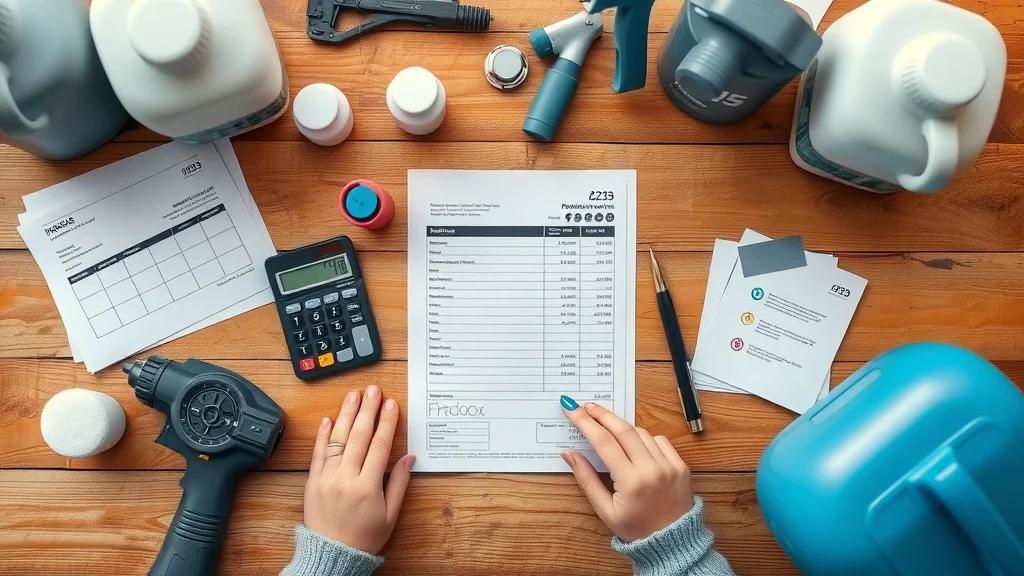
No pressure washing pricing strategy is complete without accounting for overhead costs. Overhead covers expenses like fuel, equipment depreciation, maintenance, insurance, chemicals, transportation, office administration, and marketing. Often underestimated, these costs can erode the profits of even the most meticulous washing jobs if not properly included in your quotes. Calculate your monthly or annual overhead, then divide by average jobs completed in that period to determine the amount to add to each quote.
Understanding and managing overhead is the difference between surviving and thriving. Replacing a damaged pressure washer or refueling trucks adds up quickly. Factor these into your rates so that each washing job contributes not just to direct expenses—but also to keeping your business sustainable. Periodically reviewing overhead costs ensures your pricing models remain accurate as business expenses or washing costs shift.
How to Calculate Pressure Washing Prices Effectively
Step-by-Step Guide to Pressure Washing Pricing Strategy
- Assess the scope of the pressure washing job
- Calculate material and chemical costs for each washing job
- Estimate labor and time requirements (choosing between hourly rate or flat rate)
- Evaluate square footage for per square foot pricing
- Add overhead costs and desired profit margin
- Review and adjust the pricing strategy as needed
To achieve accurate pressure washing prices, always start by inspecting the site and identifying any special cleaning requirements or access challenges. List the materials, soaps, or cleaning solutions necessary for the job. Determine how many technicians will be needed and estimate time carefully, referencing past washing jobs for accurate projections. For areas easily measured, calculate the square footage to support a transparent, per foot rate—otherwise, leverage flat or hourly rates as appropriate.
Once you’ve established a base price, add in a percentage for overhead costs, and make sure to include a fair profit margin. Finally, compare your numbers to local industry benchmarks and adjust as necessary to stay competitive. Reviewing your pricing strategies every quarter or after significant cost changes protects your pressure washing business from unexpected profit losses and ensures your washing pricing remains sustainable as you grow.
Quote
"Effective pressure washing pricing strategies are the backbone of a thriving pressure washing business," says industry expert Jane Smith, owner of CleanSweep Solutions.
Examples of Pressure Washing Pricing Strategies for Residential & Commercial Jobs
Residential Pressure Washing Pricing
- Typical washing costs for homes, driveways, decks, and more
- Flat rate vs per square foot: residential scenario analysis
- Residential washing pricing mistakes to avoid
Residential jobs like home siding cleaning, driveways, and decks are among the most frequent for small pressure washing businesses. Many choose flat rate pricing for standard tasks such as “$149 for a driveway up to 800 sq ft,” allowing customers to quickly understand and approve the quote. For bigger or more complex jobs—like a multi-level deck or patio—per square foot pricing becomes more advantageous, letting you capture the true scope of work and avoiding underpricing for extra-large or heavily stained surfaces.
Common mistakes at the residential level include underestimating labor, neglecting extra cleaning solution requirements, and failing to incorporate overhead costs. Always conduct a comprehensive site assessment before quoting, and avoid offering “one-price-fits-all” deals for jobs that clearly differ in scale or difficulty. When in doubt, combine flat rate minimums with per-square-foot surcharges for larger areas.

Commercial Pressure Washing Pricing
- Unique challenges and opportunities in commercial pressure washing jobs
- Commercial pressure washing prices: hourly rate, flat rate, or per square foot?
- Sample commercial washing pricing strategy
Commercial pressure washing jobs inherently bring added complexities—think high-traffic sidewalks, storefronts, parking lots, or multi-story buildings. Hourly rates are especially effective when unexpected tasks arise, like graffiti removal or persistent oil stains that can’t be estimated by square footage alone. For routine contracts, such as monthly sidewalk cleanings, a blend of square foot pricing and base minimum charges is typical.
Sample strategy for a large office building: Base rate of $500 for first 2,000 sq ft at $0.25/sq ft, $0.15 for every additional square foot, plus an hourly surcharge for after-hours or hazardous work. Always include language in your quotes to account for significant “unknowns”: excessive debris, inaccessibility, or weather interruptions. Reviewing each commercial job post-completion allows for precise future quoting and improves your competitive edge in the pressure washing service market.

Factors That Affect Your Pressure Washing Pricing Strategy
- Type and condition of the surface
- Accessibility and hazards affecting the washing job
- Regional market rates for pressure washing services
- Company reputation and service quality
- Frequency of repeat washing jobs
No pressure washing pricing strategy exists in a vacuum—local market rates, company reputation, and the technical difficulty of each washing job play important roles. Jobs with high ladder work, tough stains, or difficult-to-reach corners may merit higher rates. Likewise, if your business is known for outstanding or specialized equipment, you can command premium washing prices. Stay aware of how frequently a client schedules repeat jobs: volume discounts or bundled packages may make sense for both sides.
Regular evaluation of your washing pricing models based on these factors helps maintain profitability and client trust. Use local competitors’ rates as reference but do not undervalue your unique service quality. Adjusting washing pricing as your business reputation grows is a key step toward long-term success.

Power Wash vs Pressure Wash: Do Pricing Strategies Differ?
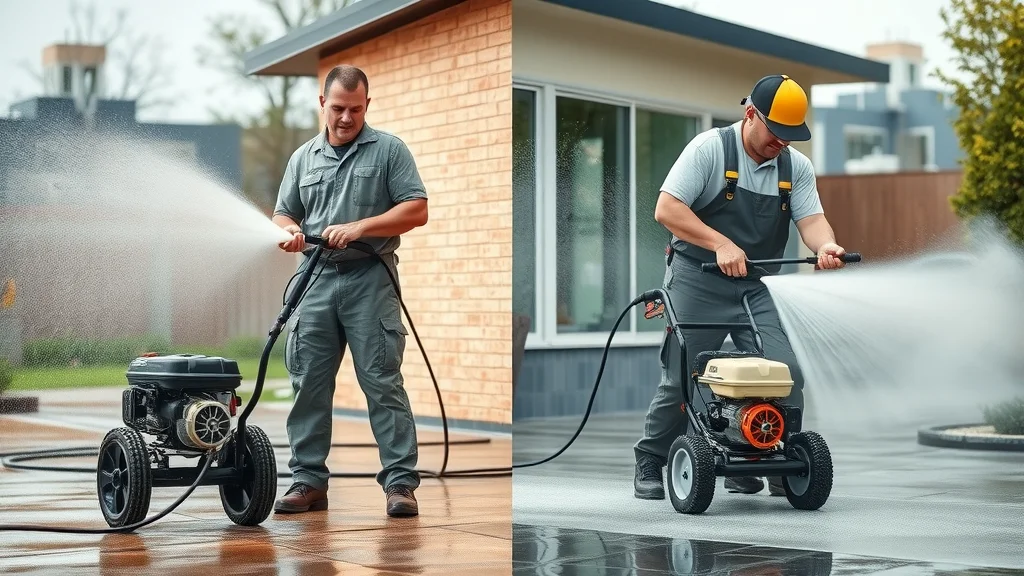
While “power washing” and “pressure washing” are often used interchangeably, there’s a subtle distinction: power washing uses heated water, making it more effective for grease or stubborn grime, whereas pressure washing relies on high-pressure cold water. Because power washing requires specialized equipment and energy costs, it justifies higher rates, often up to 20% more than standard pressure washing pricing.
When quoting, specify which washing service you’re providing. Clients expecting a simple pressure wash may balk at power washing prices unless you clearly explain the added value. Always align your pricing strategies with the specific cleaning method, equipment, and washing costs involved.
Top Mistakes to Avoid in Pressure Washing Pricing Strategies
- Underestimating washing costs and overhead costs
- Neglecting to update pricing based on market trends
- Using only hourly rates inappropriately
- Ignoring total cost for complex pressure washing jobs
- Not differentiating pricing strategy for various washing job types
Common pitfalls that trip up new and experienced pressure washing businesses alike include neglecting to revisit pricing strategy as costs rise, applying hourly rates to straightforward jobs that could be profitably flat-rated, and failing to differentiate pricing for repeat versus one-time clients. Avoid quoting a total cost before conducting an on-site inspection, and never rely purely on competitors' rates—every business's overhead, skill set, and client base is unique.
Building in regular pricing reviews—at least semi-annually—allows you to stay ahead of washing costs, regulatory changes, and shifts in the demand for pressure washing services. Adopt a flexible, data-informed approach for best long-term outcomes.
People Also Ask: How to Calculate Pressure Washing Prices?
To calculate pressure washing prices, start by evaluating the site’s square footage and complexity. Factor in material and chemical costs, labor hours, equipment use, and overhead costs. Select a pricing model (flat, hourly, or per square foot) based on the job scope and customer expectations. Adjust for additional complexity or special requirements, and be sure to compare your final price to local industry standards for pressure washing services.
People Also Ask: What are the 4 Pricing Strategies for Pressure Washing?
The four main pricing strategies for pressure washing are: Flat rate pricing (set price per job), hourly rate pricing (charge per hour worked), per square foot pricing (charge by area cleaned), and value-based pricing (charge based on the perceived value or complexity of the specific washing job). Successful businesses often combine these to fit the needs of each project and customer segment.
People Also Ask: How to Set Pricing for a Pressure Washing Business?
Set pricing for a pressure washing business by researching competitors, estimating all direct and overhead costs, and determining your desired profit margin. Select a core pricing model and establish minimum charges for small jobs to protect profitability. Consistently review your numbers based on job completion data, regularly adjusting for changing equipment, material, and labor costs.
People Also Ask: How to Price Up Pressure Washing?
To price up pressure washing, conduct an on-site evaluation, measure square footage, account for surface type, accessibility, and stains, then calculate labor and materials. Choose a model—flat rate, hourly, or per square foot—that best fits the job, add overhead and profit margin, and present your price clearly to the customer, leaving room for adjustments should job conditions change.
Frequently Asked Questions About Pressure Washing Pricing Strategies
-
How should a new pressure washing business approach pricing?
Start by calculating your costs, including overhead and profit margin, to find your minimum price per job. Research local competition and market rates, then build flexibility into your rates to handle unforeseen challenges. -
Should I adjust washing prices for different seasons?
Yes—demand often rises in spring and summer, which may justify slightly higher rates. Be mindful of local market tolerance and seasonal costs (like travel or staff shortages). -
How often should I review my pricing strategies?
At least every 6–12 months—or whenever you experience changes in material, labor, or overhead costs. -
What’s the difference between pressure washing prices and washing costs?
Pressure washing prices are what you charge clients for services; washing costs are your expenses for completing the work (labor, materials, overhead). Profitable pricing covers both and leaves enough for business growth.
Key Takeaways: Optimizing Your Pressure Washing Pricing Strategy
- Reevaluate your pressure washing pricing strategies routinely for best results
- Choose a model (flat rate, hourly, square foot) that fits your target washing business segment
- Always factor in overhead costs and profit goals in your pricing strategy
- Adopt value-based pricing where feasible for advanced market positioning
- Avoid common pitfalls by following industry benchmarks and updating your pricing over time
Ready to Boost Your Profits with Smarter Pressure Washing Pricing Strategies?
By investing time in crafting and evolving the right pricing strategy, you position your pressure washing business for sustainable growth and a reputation for fair value. Now is the time to review your current rates, compare industry benchmarks, and start adjusting your strategy—job by job, client by client—for optimal success.

If you’re ready to take your pressure washing business to the next level, consider how innovative marketing can amplify the impact of your pricing strategies. Exploring the latest advancements in AI-driven video tools can help you attract more clients, showcase your expertise, and differentiate your services in a crowded market. Discover how to revolutionize your marketing approach and unlock new growth opportunities by visiting our comprehensive resource on AI tools for pressure washing business marketing. Embracing these strategies not only enhances your visibility but also positions your business for long-term success in today’s competitive landscape.


Write A Comment