
Add Row
Add Element
cropper
update

PRESSURE WASHING TRIBE

update
Add Row
Add Element
cropper
update
Pressure Washing Tribe
cropper
update
8 Minutes Read

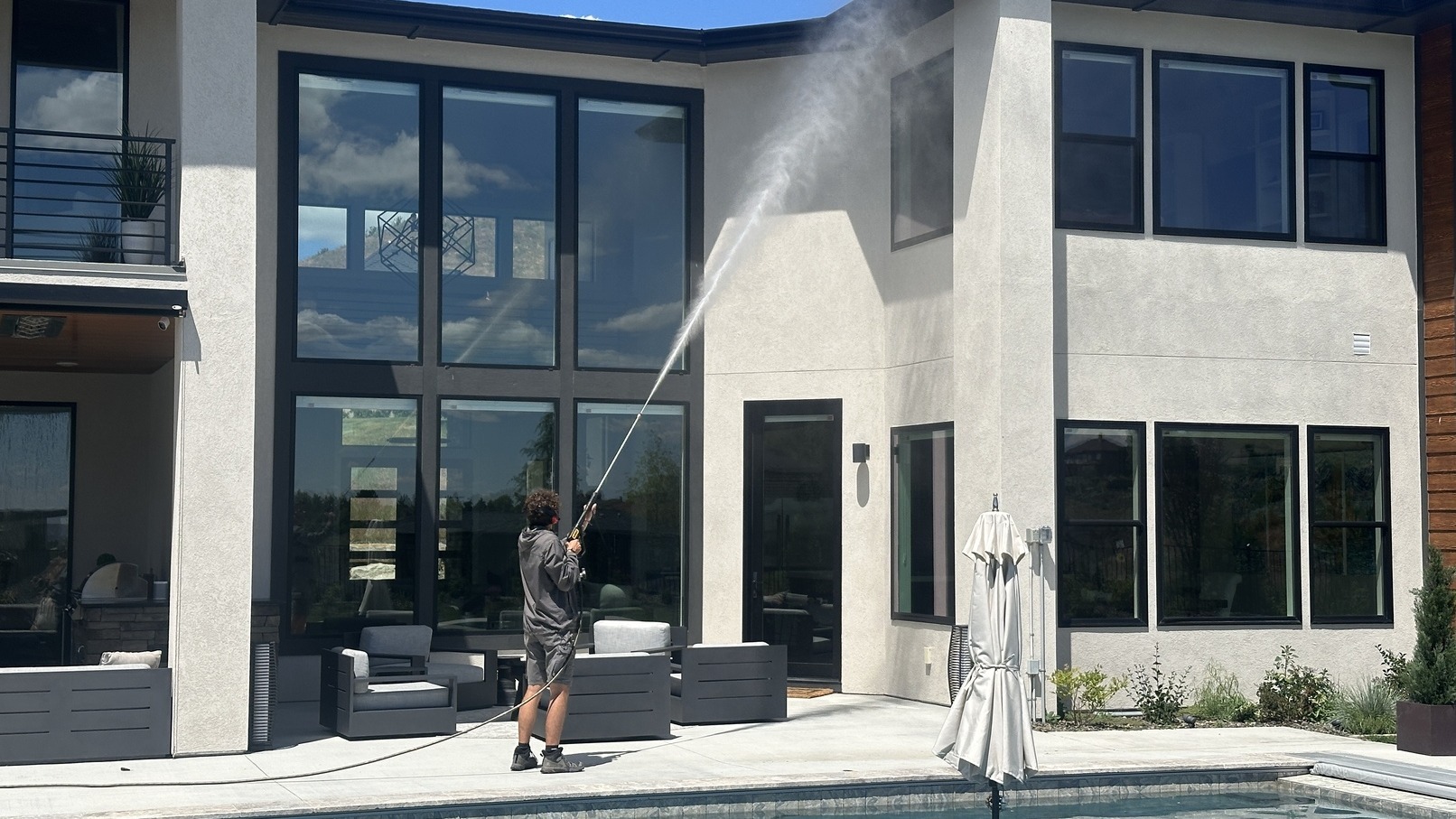
How Cameron Betz Built RinseRight - A Journey from Sales to Business Success


Pressure Washing Tribe Interview - Cameron Betz RinseRight in Boise Idaho


In the world of entrepreneurship, few stories are as compelling as that of Cameron Betz, the visionary behind RinseRight Services. From humble beginnings in door-to-door sales to establishing a thriving pressure washing and window cleaning business, Cameron's journey is a testament to grit, innovation, and the pursuit of independence. This article delves into Cameron's path, exploring how he transitioned from working for others to becoming a successful business owner, and offers valuable insights for aspiring entrepreneurs looking to carve their own niche in the pressure washing industry. Through his experiences, Cameron has inspired many to take charge of their destinies and pursue their entrepreneurial dreams. His story is not just about building a business but also about the personal growth and fulfillment that come from following one's passion.

Finding His Path To Pressure Washing Success

Cameron Betz's entrepreneurial spirit was evident from a young age. He graduated early, eager to explore the world beyond traditional education. His travels provided him with a broader perspective, reinforcing his belief that he wasn't meant for the conventional nine-to-five grind. "I realized early on that working for someone else just wasn't for me," Cameron shares. This realization was the catalyst for his journey into sales, a field that would lay the foundation for his future endeavors.

Traveling allowed Cameron to experience diverse cultures and business environments, which enriched his understanding of global markets and consumer behavior. These experiences helped him cultivate a mindset that valued adaptability and innovation, traits that would later become instrumental in his entrepreneurial ventures. "Traveling taught me that there's a world of opportunities out there, and it's up to us to seize them," Cameron reflects.

Moreover, his travels instilled in him a sense of independence and resourcefulness, qualities that would prove invaluable as he embarked on his entrepreneurial journey. The exposure to different ways of life and business practices also fostered a deep appreciation for diversity and inclusivity, principles that Cameron would later integrate into his business ethos.

Door-to-Door Sales as a Foundation to Pressure Washing Success

Cameron's foray into the business world began with door-to-door sales, a challenging yet rewarding experience. Starting with Leaf Filter and later transitioning into window cleaning, he honed his communication and negotiation skills. "Sales taught me the importance of understanding customer needs and building relationships," Cameron explains. These skills proved invaluable when he decided to branch out on his own, using his sales acumen to identify market opportunities in the pressure washing sector.

Door-to-door sales also instilled in Cameron a resilience and tenacity that are crucial for any entrepreneur. The constant rejection and perseverance required in sales prepared him for the ups and downs of business ownership. Every 'no' brought me closer to a 'yes,' Cameron recalls, highlighting the importance of persistence in achieving success.

This experience also underscored the value of customer feedback, which Cameron would later leverage to refine RinseRight's services. Understanding customer pain points and preferences allowed him to tailor his offerings to better meet their needs, setting the stage for RinseRight's success. Additionally, the experience taught Cameron the importance of empathy and active listening, skills that have been instrumental in building strong customer relationships and a loyal client base.

The Decision to Start RinseRight in Boise Idaho

The idea for RinseRight Services emerged from Cameron's keen observation of market trends. He noticed a growing demand for pressure washing services and recognized the potential for a business that prioritized quality and customer satisfaction. "I saw an opportunity to offer something better, something that stood out," he recalls. Armed with determination and a clear vision, Cameron took the leap, founding RinseRight Services and setting the stage for his entrepreneurial success.

Cameron's decision was also fueled by a desire to create a brand that reflected his values of integrity and excellence. He envisioned RinseRight as a company that would not only meet but exceed customer expectations through exceptional service and innovative solutions. "I wanted to build a business that people could trust and rely on," Cameron states.

This commitment to quality has been a cornerstone of RinseRight's success, earning the company a loyal customer base and a reputation for reliability. By focusing on customer satisfaction and continuous improvement, Cameron has positioned RinseRight as a leader in the industry. His unwavering dedication to upholding high standards has not only driven the company's growth but also inspired others in the industry to raise the bar.

Scaling Up & Hiring a Pressure Washing Team

Building an exterior cleaning business from the ground up is no small feat, and Cameron faced his share of challenges. One of the most significant hurdles was scaling the pressure washing business and hiring a competent team. "Finding the right people was crucial," Cameron notes. He learned that hiring skilled salespeople and technicians was essential for maintaining the quality and reputation of RinseRight. Through trial and error, Cameron developed a hiring strategy that focused on aligning team members with the company's values and goals.

Cameron's approach to team building emphasizes the importance of fostering a positive work culture and investing in employee development. "A motivated team is the backbone of any successful business," he asserts. By providing ongoing training and opportunities for growth, Cameron ensures that his team is equipped to deliver exceptional service and drive the company's success. This focus on employee satisfaction has also contributed to high retention rates, further strengthening RinseRight's operations.

Cameron's leadership style, which prioritizes open communication and collaboration, has created a cohesive team that is dedicated to achieving the company's objectives. By empowering his employees and encouraging a sense of ownership, Cameron has cultivated a team that is not only skilled but also passionate about their work.

Embracing Technology & Innovation For His Exterior Cleaning Business

As RinseRight grew, Cameron recognized the need to embrace technology and innovation to stay competitive. He invested in state-of-the-art equipment and software solutions to streamline operations and enhance service delivery. "Technology is a game-changer in pressure washing industry," Cameron explains. By leveraging digital tools for scheduling, customer communication, and performance tracking, RinseRight has been able to improve efficiency and customer satisfaction.

Cameron's commitment to innovation extends beyond operational improvements. He is constantly exploring new techniques and products to enhance the quality and sustainability of RinseRight's services. "We're always looking for ways to do things better and more efficiently," he says. This forward-thinking approach has positioned RinseRight as a leader in the pressure washing industry, setting a standard for excellence and innovation. By staying ahead of industry trends and adapting to changing customer needs,

Cameron ensures that RinseRight remains at the forefront of the market. His proactive approach to innovation has not only driven the company's success but also inspired others in the industry to embrace change and strive for continuous improvement.

Building a Brand and Pressure Washing Marketing Strategy

A key component of RinseRight's success has been its strong brand identity and effective marketing strategy. Cameron understood the importance of creating a brand that resonated with customers and communicated the company's values. "Your brand is your promise to your customers," he emphasizes. By developing a cohesive brand image and message, RinseRight has been able to build trust and credibility in the market.

Cameron's marketing strategy leverages both traditional and digital channels to reach a wide audience. From local advertising and community engagement to social media and online reviews, RinseRight employs a multifaceted approach to connect with potential customers. "Word of mouth is powerful, but you also need to be where your customers are," Cameron advises.

This comprehensive pressure washing marketing strategy has helped RinseRight expand its reach and attract new business. By consistently delivering on its brand promise, RinseRight has cultivated a loyal customer base and established a strong presence in the industry. Cameron's ability to adapt his marketing strategy to changing trends and customer preferences has been instrumental in maintaining the company's competitive edge.

Navigating Challenges and Learning from Failure

Like any entrepreneur, Cameron has faced his share of challenges and setbacks. However, he views these experiences as valuable learning opportunities. "Failure is not the opposite of success; it's part of the journey," he reflects. By analyzing mistakes and adapting strategies, Cameron has been able to overcome obstacles and drive RinseRight's growth.

One of the most significant challenges Cameron encountered was managing cash flow during the early stages of the business. "Cash flow is the lifeblood of any business," he notes. By implementing effective financial management practices and seeking advice from mentors, Cameron was able to stabilize RinseRight's finances and ensure long-term sustainability.

This experience reinforced the importance of financial literacy and strategic planning in business success. Cameron's ability to learn from setbacks and adapt to changing circumstances has been instrumental in RinseRight's continued growth and success. His resilience and determination have not only helped him navigate challenges but also inspired others to persevere in the face of adversity.

Future Goals & Lessons for Young Exterior Cleaning Entrepreneurs

Looking ahead, Cameron envisions expanding RinseRight Services to new markets, continually enhancing service offerings, and leveraging technology to streamline operations. His journey offers valuable lessons for young entrepreneurs: "Believe in your vision, be adaptable, and never stop learning," he advises. Cameron emphasizes the importance of resilience and the willingness to take calculated risks, encouraging aspiring business owners to trust their instincts and pursue their passions relentlessly.

Cameron's advice to young pressure washing entrepreneurs also includes the importance of building a strong network and seeking mentorship. "Surround yourself with people who inspire and challenge you," he recommends. By learning from others' experiences and gaining diverse perspectives, entrepreneurs can navigate challenges more effectively and accelerate their growth.

Cameron's journey is a testament to the power of perseverance, innovation, and community in achieving business success. As he continues to grow RinseRight, Cameron remains committed to sharing his insights and experiences with the next generation of entrepreneurs. His dedication to fostering a supportive and collaborative entrepreneurial ecosystem has made him a respected mentor and role model in the business community.


Cameron Betz's story is a powerful reminder of the impact of perseverance and innovation in entrepreneurship. From door-to-door sales to owning a successful pressure washing company, his journey underscores the value of hard work and strategic thinking. For those inspired by Cameron's path, the key takeaway is clear: success is attainable with the right mindset and a commitment to excellence.

To learn more about Cameron and RinseRight Services, visit https://rinserightservices.com and embark on your own entrepreneurial adventure.

Cameron's journey serves as an inspiration for anyone looking to make their mark in the business world, demonstrating that with determination and vision, anything is possible. His story is a testament to the transformative power of entrepreneurship and the limitless possibilities that await those who dare to dream big and take bold action.


Tribe Talk: Business Insights

Write A Comment

*
*
Related Posts All Posts
12.23.2025

Tax Basics for Pressure Washing Owners: Write-Offs, Records, and Red Flags

Are you missing out on valuable tax deductions and risking an unwanted audit with your pressure washing small business? Navigating the maze of taxes isn’t just a responsibility; it’s a strategic opportunity to keep more hard-earned dollars and secure your business’s future. In this comprehensive guide, we’ll reveal the most overlooked write-offs, practical recordkeeping habits, and the critical red flags IRS agents watch for. If you want to avoid costly mistakes and keep your power washing business thriving, read on—you might be surprised by what’s deductible and how easy compliance can be. Are You Maximizing Every Dollar in Your Pressure Washing Business? Pressure washing small business taxes can quickly become overwhelming, especially with a growing client list and a busy service schedule. But whether you're just starting your washing business or are looking to fine-tune your tax approach, understanding the tax landscape can put real money back in your pocket. Carefully tracking your expenses, claiming all allowable deductions, and avoiding IRS red flags aren’t just best practices—they're critical to building a profitable and long-lasting power washing business. Too often, business owners overlook substantial write-offs or mismanage their paperwork, resulting in overpaid taxes or, worse, a surprise audit. By knowing which deductions you qualify for, maintaining bulletproof records, and following sales tax rules, your business gains both financial protection and a competitive edge. This guide is designed to empower pressure washing business owners with step-by-step advice to make tax season less stressful and more rewarding. While mastering your tax strategy is essential, it's equally important to stay ahead in other operational areas. For example, integrating innovative marketing approaches—such as leveraging AI-powered video tools—can help you attract more clients and boost your pressure washing business’s visibility. Discover how these advanced solutions can transform your outreach in this guide to revolutionizing your pressure washing marketing with AI tools. What You'll Learn Key tax deductions for pressure washing small business taxes How to maintain records effectively for your washing business Common pressure washing small business taxes mistakes to avoid How to protect your power washing business from IRS red flags Understanding Pressure Washing Small Business Taxes: The Foundation What Are Pressure Washing Small Business Taxes? Pressure washing small business taxes include all required federal, state, and local taxes that apply to your washing business’s income and operations. These taxes aren’t just limited to annual filings; you’ll face ongoing obligations such as estimated quarterly payments, sales tax, payroll taxes if you hire employees, and self-employment tax if you operate as a sole proprietor or partnership. Each type of entity—whether a sole proprietor, LLC, or corporation—faces unique requirements and benefits, so it’s crucial to understand where your power washing business fits in. Beyond income tax, you may also deal with excise taxes on certain equipment or products, as well as state-specific regulations. The cornerstone of tax compliance for a pressure washing business is consistency in reporting, understanding your deductible expenses, and knowing exactly which tax forms you need to submit. Getting these basics right helps you avoid costly penalties and keeps your business fully compliant. Types of Business Entities for Pressure Wash and Power Wash Businesses The way your pressure washing business is structured—sole proprietorship, partnership, LLC, or corporation—directly impacts your tax obligations and personal liability. Sole proprietorships are popular with solo operators, offering simplicity but exposing personal assets to business risks. LLCs offer more protection and flexible taxation, allowing business owners to choose how they’re taxed, such as pass-through or as an S-corp. Corporations, while more complex, can provide certain tax advantages for larger power washing operations or those who plan to hire employees. When selecting the best entity type for your pressure wash or power washing business, consider growth plans, the need for personal liability protection, and how income will be distributed. Setting up the right structure early will save you from headaches at tax time and help financially protect your personal assets as your business grows. Tax Obligations for Pressure Washing Business Owners Every pressure washing business owner is responsible for filing annual tax returns, paying self-employment tax, and remitting any required payroll taxes if they hire employees. Some states may also require collection and remittance of sales tax on each power wash or pressure wash service provided, so understanding local obligations is essential. Failing to stay on top of these requirements can result in interest, penalties, or jeopardize your business’s reputation. Be sure to obtain an EIN (Employer Identification Number) from the IRS, even if you don’t plan to hire employees right away—this is required for partnerships and LLCs and can be used instead of your social security number on tax forms. Remember to keep a calendar of key due dates for estimated tax payments, sales tax filings, and renewals of any operational licenses to ensure nothing slips through the cracks as your washing business grows. "A successful pressure washing business is built as much on proper bookkeeping and taxes as on clean driveways." – Tax Expert for Power Wash Entrepreneurs Key Write-Offs for Pressure Washing Small Business Taxes Deductible Equipment: Pressure Washer, Vehicles, and Supplies Major purchases for your pressure washing business—like your pressure washer, hoses, commercial vans, and even safety gear—are often tax-deductible. The IRS allows business owners to write off the full purchase price of qualifying equipment under Section 179 up to a specific limit each year, or to depreciate larger purchases over several years. Don’t forget to include costs for replacements, repairs, and upgrades; maintaining equipment is considered an ordinary expense in the pressure washing industry. Regular consumables such as soaps, cleaning solutions, nozzles, and protective clothing also count as deductible business supplies. Even fuel for your work vehicles and mileage related to pressure washing jobs should be diligently tracked, as these are valuable deductions that reduce your taxable income. Always keep receipts and mileage logs to back up your deduction claims in case of an IRS audit. Home Office and Mobile Power Wash Expenses If you operate your power washing business from your home, you may qualify for a home office deduction—potentially writing off a portion of your rent or mortgage, utilities, and property taxes. The workspace must be used regularly and exclusively for your washing business. Calculate the percentage of your home’s square footage used for business to determine your deduction. For mobile operations, expenses tied to your service vehicle (gas, maintenance, insurance) and cell phone can be substantial write-offs if properly documented. Mobile businesses especially should track all travel expenses: mileage for on-site jobs, tolls, parking, and overnight travel for commercial contracts or specialized gigs. Keeping meticulous records and differentiating personal from business use is essential for maximizing your pressure washing small business taxes benefits and avoiding IRS scrutiny. Insurance and Licensing: Essential Deductions for Pressure Washing Businesses Business insurance—liability, property, workers’ compensation, and vehicle policies—are not only crucial for legally and financially protecting your pressure washing business, but they’re also fully deductible expenses. Licensing and permit fees, which requirements vary based on location and service type, also count as legitimate tax deductions every power washing business owner should take advantage of. If your business is growing and you plan to hire employees, include costs for additional insurance policies and state-mandated coverage. Staying on top of licensing renewals and compliance not only avoids fines but supports your pressure washing small business taxes strategy by reducing overall taxable income. Typical Deductible Expenses for Your Washing Business Fuel and travel for power washing jobs Repairs and maintenance Training and certifications Advertising and marketing (including social media campaigns) Maintaining Accurate Records for Pressure Washing Small Business Taxes Why Good Records Matter for Your Pressure Wash Business The backbone of robust tax compliance is meticulous recordkeeping. Keeping complete and timely records of every income and expense transaction helps your power washing business claim every eligible deduction—and provides vital documentation if the IRS ever questions your returns. Sloppy or incomplete records are classic IRS red flags for small business audits, so pressure washing business owners must develop rigorous habits early. Store invoices, receipts, mileage logs, bank statements, and proof of electronic transactions for at least three years. Clearly label all sales tax records for each power wash service, so you can report and remit accurately. Consider setting aside a dedicated hour each week to organize paperwork, reconcile accounts, and scan documents into a secure digital archive to build a bulletproof audit trail. Choosing the Right Bookkeeping Tools for a Pressure Washing Business Selecting the proper accounting software or digital tools can dramatically simplify your pressure washing small business taxes process. From tracking expenses on the go to generating reports for tax preparers, modern solutions like QuickBooks, FreshBooks, and Wave offer custom invoicing, automated mileage tracking, and secure cloud storage for your records. Mobile apps are particularly handy for power washing professionals who work in the field. Investing time in learning these tools upfront pays back in stress-free reporting and fewer mistakes come tax season. If your pressure washing business handles a high volume of transactions or commercial contracts, consider hiring a part-time bookkeeper or consulting a tax expert backed by top industry recommendations. Best Practices for Managing Receipts and Invoices: Use digital apps for receipts Track income from every power wash job Scan and organize all sales tax documentation Sales Tax Obligations and Pressure Washing Small Business Taxes What Sales Tax Applies to Pressure Wash and Power Washing Businesses? Sales tax requirements for a pressure washing business vary based on state and local jurisdictions. Many states tax the sale of services—including pressure washing—but exemptions sometimes apply for certain types of clients (such as government contracts or nonprofits) or specific power washing services. Always check with your state’s revenue department to confirm if your washing business must collect state and local sales tax for every job. If you’re required to collect sales tax, register for a sales tax permit before you start charging clients. Add the sales tax to your invoices, keep detailed records for each transaction, and remit all collected taxes according to your state’s schedule—monthly, quarterly, or annually. Failing to remit sales tax promptly is a severe compliance issue that exposes business owners to audits and heavy fines. Reporting and Remitting Sales Tax for Your Washing Business Reporting and remitting sales tax for your washing business isn’t just about collecting money on invoices—it’s a scheduled obligation that demands accuracy. Track each sale, including client name, date, service type, and sales tax amount. At the end of each period (monthly, quarterly, or yearly), total the sales tax you’ve collected and submit your payment and report to the state. Many digital bookkeeping systems offer built-in sales tax tracking and reminders to help you stay compliant. Missed deadlines or incorrectly filed reports are among the most common mistakes leading to state audits for small businesses. Consider enrolling in state e-file programs, which can save time and reduce errors, or working with a tax professional to ensure all sales tax filings for your power washing business are handled correctly and on time. Sample Sales Tax Filing Schedule for Pressure Washing Businesses State Filing Frequency Due Date California Quarterly Last day of the month following quarter-end Texas Monthly 20th of each month Florida Annually January 20th of following year Avoiding IRS Red Flags: Common Pitfalls for Pressure Washing Small Business Taxes Common Mistakes in Pressure Washing Business Tax Returns Simple errors in your tax form—like listing incorrect income, missing deadlines, or misclassifying workers—are prime triggers for IRS attention. Forgetting to report all income from both residential and commercial contracts, double-dipping personal expenses as business deductions, or skipping sales tax payments can all attract IRS scrutiny for power washing business owners. Keeping personal and business finances separate is a basic yet often overlooked tax compliance best practice. Pressure washing businesses face specific risks when using cash payments or underreporting their sales. Even if you enjoy working with trusted local clients, always document each transaction, issue professional invoices, and report every dollar—transparency is your best defense against an IRS audit. Red Flag Deductions for the Power Washing Business Extra-large deductions compared to your reported income, or aggressive write-offs for things like home office space and commercial vehicles, stand out to IRS computers and can prompt a review. For example, claiming the full cost of your personal vehicle as a business deduction is rarely justified unless you use it 100% for your pressure washing business. If you operate multiple vehicles or mix personal and professional use, careful logs and separation of expenses are essential. Other red flags include excessive “meals and entertainment” spend, or rapid increase in travel or supply costs without a corresponding growth in revenue. It’s critical to ensure each deduction can be matched to a receipt and backed by a real business need—being proactive and transparent diminishes audit risk for your washing business. Audit-Proofing Your Washing Business with Solid Documentation The best way to avoid IRS issues is to develop a complete, consistent documentation system for your pressure washing business—scan and store all receipts, use accounting software with built-in audit trails, and maintain digital backups. Store all contractor agreements, training certificates, licensing paperwork, and sales tax records for at least three years. If the IRS requests proof, being able to produce detailed logs effortlessly is your first and best line of defense. Consulting a qualified tax professional or bookkeeper is especially valuable before filing your annual return. They can review your pressure washing small business taxes, flag risky deductions, and help you organize documents to withstand any future scrutiny. People Also Ask: Pressure Washing Small Business Taxes How do I charge for a pressure washing business? Charging for a pressure washing small business typically involves calculating an hourly or per-square-foot rate. Consider all expenses, including equipment, labor, and sales tax, to ensure your washing business is profitable while compliant with IRS guidelines. What expenses can I claim as a cleaner? You can claim a variety of deductible expenses as part of your pressure washing small business taxes, such as equipment purchases, vehicle expenses, insurance, marketing, and continuing education. Always keep detailed records to support your claims. How much is insurance for a small pressure washing business? Insurance costs for a pressure washing business vary by location, coverage type, and business size but generally range from $500 to $2,000 annually. Proper insurance is both tax-deductible and essential for legal compliance. What are the cons of starting a pressure washing business? Cons include seasonal fluctuations, equipment upkeep, competitive markets, and strict tax obligations. Thorough understanding of pressure washing small business taxes can help mitigate some financial risks. FAQs: Navigating Pressure Washing Small Business Taxes What tax form does a pressure washing business need to file? Most pressure washing businesses file Schedule C (Form 1040) for sole proprietors or Form 1065 for partnerships. LLCs may file as either, depending on their chosen structure. Corporations use Form 1120. Always consult with a tax expert to confirm which tax form applies to your pressure washing business for the current tax year. How can a power washing business prepare for tax season? To prepare for tax season, set up organized recordkeeping systems, reconcile transactions monthly, gather all sales tax and expense records, and consult with a professional for last-minute deductions and compliance checks. Starting early can help your power washing business claim every eligible benefit and avoid penalties. Are there specific software tools for tracking power washing business expenses? Yes. Leading accounting platforms like QuickBooks, Xero, and Wave are compatible with pressure washing business workflows, allowing you to track expenses, income, and sales tax automatically. Many also integrate with mobile apps for on-site invoicing and receipt scanning, streamlining compliance for busy business owners. Key Takeaways for Pressure Washing Small Business Taxes Leverage every deduction allowed for your washing business Maintain meticulous records to protect your power washing business Always comply with relevant sales tax rules Seek expert guidance to minimize your risk Ready to Optimize Your Pressure Washing Small Business Taxes? Schedule a Consultation Today! Making tax compliance a priority creates lasting value for your pressure washing business—start maximizing your deductions and peace of mind now. As you continue to refine your tax and compliance strategies, remember that true business growth comes from embracing innovation in every area of your operation. Exploring new marketing technologies, such as AI-driven video content, can set your pressure washing business apart and drive sustainable client acquisition. If you’re ready to elevate your business beyond the basics and tap into the latest industry advancements, take the next step by learning how AI tools can revolutionize your marketing approach in this comprehensive resource on AI-powered marketing for pressure washing businesses. Unlocking these insights can help you build a more resilient, profitable, and future-ready company.

12.14.2025

Pricing Your Pressure Washing Jobs: Flat Rate, Hourly, or Per Square Foot?

Are you unknowingly leaving profits behind with your pressure washing pricing strategy? The method you choose to price your pressure washing jobs—be it flat rate, hourly, or per square foot—can significantly impact how much you earn, your competitive edge, and your business’s growth. In this comprehensive guide, discover the industry’s top pricing strategies, learn to avoid costly mistakes, and master techniques for maximizing the value of every washing job you complete. Is Your Pressure Washing Pricing Strategy Leaving Money on the Table? When it comes to pressure washing pricing strategies, settling for a one-size-fits-all approach might mean missing out on substantial revenue—especially as market dynamics change and each washing job brings unique challenges. Whether you’re a seasoned pro or just starting your pressure washing business, the way you calculate and present your prices directly influences client satisfaction, repeat business, and your bottom line. Today’s residential and commercial customers are increasingly savvier, comparing washing prices online and expecting transparent, fair rates. That means it’s crucial to align your own pricing strategy with both industry benchmarks and your specific business goals. This article explores how flat rate, hourly rate, and per square foot pricing can be tailored to maximize your business success while ensuring every job remains profitable. By understanding the nuances behind these models—and learning when to adapt them for various washing jobs—you’ll be able to outshine competitors, account for real-world overhead costs, and avoid leaving money on the table. Let’s dive in and discover which approach best fits your pressure washing business, and how you can use proven pricing strategies for sustainable profit growth. What You'll Learn About Pressure Washing Pricing Strategies The pros and cons of flat rate, hourly, and per square foot pricing for washing jobs How to evaluate pressure washing costs and overhead Calculating pressure washing prices for residential and commercial pressure washing Tips for pressure washing businesses to improve their pricing strategies Industry benchmarks and common mistakes in pressure washing pricing Understanding Pressure Washing Pricing Strategies If you want to thrive in the pressure washing industry, a clear understanding of pressure washing pricing strategies is essential. Each pricing model—whether flat rate, hourly, or per square foot—offers unique advantages and drawbacks in real-world washing jobs. Flat rate pricing can bring simplicity and confidence to both business owners and customers, but it may risk underestimation or overpricing if the job scope changes after quoting. On the other hand, an hourly rate structure better compensates for jobs with uncertain durations, but may face resistance from clients who prefer a set price. The per square foot model is widely favored for its fairness and transparency—clients know what they’re paying for, and you as the owner can accurately project profitability. Deciding among these models should be a strategic decision shaped by job type, client expectations, and your business’s operating costs. Many power washing professionals blend elements from each, such as offering hourly rates for complex or unpredictable commercial jobs while using per square foot pricing for standard driveway or deck cleaning. By evaluating washing job scope, overhead costs, and regional washing prices, you can confidently select the most effective pricing strategy for each scenario and optimize your revenue per pressure washing job. For a deeper dive into how to calculate square footage and set rates for different surfaces, check out this practical guide on leveraging technology to streamline your pressure washing business. Pressure Washing Job Pricing: Flat Rate vs Hourly Rate vs Per Square Foot Flat Rate for Pressure Washing Jobs Definition and examples of flat rate pressure washing pricing Pros and cons for washing business owners When is flat rate best for a pressure washing job? Flat rate pricing sets a fixed price for each pressure washing job, regardless of how long the job takes or the square footage involved. This approach appeals to customers who want upfront certainty and can simplify billing, making it ideal for straightforward residential washing services like driveways, sidewalks, or patios. Flat rate pricing is also helpful when you frequently repeat similar jobs and have enough experience to accurately predict total cost and required time. However, flat rate pricing comes with risks for a washing business. If the job turns out larger or tougher than expected, your profit shrinks. Still, flat rate models build trust and are great for marketing bundled washing services or promotions (e.g., “Any driveway cleaned for $129!”). Use this strategy when your experience allows precise cost prediction, or when offering packages where upselling additional services is possible. For example, a typical flat rate for cleaning a two-car driveway might run between $100 and $150, covering average material usage and labor. This keeps your washing prices competitive compared to hourly rates or per square foot pricing. But flat rate pricing can hurt profitability for large or heavily soiled surfaces, or when unexpected obstacles arise. Striking the right flat rate depends on reviewing overhead costs, supply expenses, job difficulty, and local market rates. Hourly Rate for Pressure Washing Understanding hourly rate and hourly rates for a washing business Advantages and drawbacks of hourly pricing strategies Scenarios where hourly rate is effective for pressure washing jobs Hourly rate pricing sets a charge based on time spent at the site, commonly ranging from $50–$100+ per hour depending on region and job complexity. This model offers flexibility: you’re paid for every minute on the job, covering not only active pressure washing but also setup, breakdown, or handling surprises—a crucial factor for complex or unpredictable sites like commercial pressure washing projects. Adopting an hourly rate can reduce the risk of underestimating a washing job’s total cost. It’s particularly advantageous for projects where square footage doesn’t match the actual difficulty, such as stubborn stains or hazardous, hard-to-reach surfaces. However, customers may perceive hourly rates as less transparent, fearing inflated bills if the job drags on. To mitigate that, communicate anticipated timeframes clearly and use hourly pricing primarily for jobs where scope is uncertain or where variable conditions affect washing pricing. For seasoned pressure washing businesses, tracking job times over multiple projects helps refine hourly rates, making this a useful tool for commercial clients, specialty cleaning, or first-time consultations where job complexity is unknown. Per Square Foot Pricing for Pressure Washing How to calculate square foot pricing in pressure washing jobs Industry standards for pricing per square footage Best use cases for square foot pricing in power wash and power washing jobs Per square foot pricing charges based on the exact area cleaned, typically ranging from $0.15 to $0.75 per square foot, with variations for surface material and soil level. To calculate, simply measure the target area and multiply by your established rate. For example, a 1,200 sq ft driveway at $0.25 per square foot yields a price of $300—a straightforward, transparent quote that appeals to residential and commercial clients alike. This model is especially effective for large or regular-shaped surfaces where estimating area is simple—think decks, patios, or building exteriors. It standardizes washing prices, allowing easy comparison for clients and solid cost prediction for your business. However, per square foot pricing can be less suitable for irregular layouts or surfaces requiring specialized equipment or cleaning solutions. Always assess when to combine this approach with minimum charges or surcharges for excessive grime, prep, or post-care requirements. By layering value-based adjustments atop square footage rates, you further enhance your pricing strategy and profitability. Table: Comparing Pressure Washing Pricing Methods Pricing Method How It Works Best For Example Scenario Typical Washing Prices Flat Rate Fixed price for entire job, regardless of square footage or hours Standard residential; predictable jobs Driveway cleaning–$125 flat $100–$200/job Hourly Rate Charged by time spent on site Complex, variable, or commercial jobs Heavy mildew removal–$85/hour $50–$100+/hour Per Square Foot Rate multiplied by area cleaned Decks, patios, building facades Large patio–2,000 sq ft @ $0.30 = $600 $0.15–$0.75/sq ft Factoring in Overhead Costs in Pressure Washing Pricing Strategies Breakdown of overhead costs in a pressure washing business Why overhead matters for washing pricing and profitability Tips to manage washing costs and overhead for better pricing strategy No pressure washing pricing strategy is complete without accounting for overhead costs. Overhead covers expenses like fuel, equipment depreciation, maintenance, insurance, chemicals, transportation, office administration, and marketing. Often underestimated, these costs can erode the profits of even the most meticulous washing jobs if not properly included in your quotes. Calculate your monthly or annual overhead, then divide by average jobs completed in that period to determine the amount to add to each quote. Understanding and managing overhead is the difference between surviving and thriving. Replacing a damaged pressure washer or refueling trucks adds up quickly. Factor these into your rates so that each washing job contributes not just to direct expenses—but also to keeping your business sustainable. Periodically reviewing overhead costs ensures your pricing models remain accurate as business expenses or washing costs shift. How to Calculate Pressure Washing Prices Effectively Step-by-Step Guide to Pressure Washing Pricing Strategy Assess the scope of the pressure washing job Calculate material and chemical costs for each washing job Estimate labor and time requirements (choosing between hourly rate or flat rate) Evaluate square footage for per square foot pricing Add overhead costs and desired profit margin Review and adjust the pricing strategy as needed To achieve accurate pressure washing prices, always start by inspecting the site and identifying any special cleaning requirements or access challenges. List the materials, soaps, or cleaning solutions necessary for the job. Determine how many technicians will be needed and estimate time carefully, referencing past washing jobs for accurate projections. For areas easily measured, calculate the square footage to support a transparent, per foot rate—otherwise, leverage flat or hourly rates as appropriate. Once you’ve established a base price, add in a percentage for overhead costs, and make sure to include a fair profit margin. Finally, compare your numbers to local industry benchmarks and adjust as necessary to stay competitive. Reviewing your pricing strategies every quarter or after significant cost changes protects your pressure washing business from unexpected profit losses and ensures your washing pricing remains sustainable as you grow. Quote "Effective pressure washing pricing strategies are the backbone of a thriving pressure washing business," says industry expert Jane Smith, owner of CleanSweep Solutions. Examples of Pressure Washing Pricing Strategies for Residential & Commercial Jobs Residential Pressure Washing Pricing Typical washing costs for homes, driveways, decks, and more Flat rate vs per square foot: residential scenario analysis Residential washing pricing mistakes to avoid Residential jobs like home siding cleaning, driveways, and decks are among the most frequent for small pressure washing businesses. Many choose flat rate pricing for standard tasks such as “$149 for a driveway up to 800 sq ft,” allowing customers to quickly understand and approve the quote. For bigger or more complex jobs—like a multi-level deck or patio—per square foot pricing becomes more advantageous, letting you capture the true scope of work and avoiding underpricing for extra-large or heavily stained surfaces. Common mistakes at the residential level include underestimating labor, neglecting extra cleaning solution requirements, and failing to incorporate overhead costs. Always conduct a comprehensive site assessment before quoting, and avoid offering “one-price-fits-all” deals for jobs that clearly differ in scale or difficulty. When in doubt, combine flat rate minimums with per-square-foot surcharges for larger areas. Commercial Pressure Washing Pricing Unique challenges and opportunities in commercial pressure washing jobs Commercial pressure washing prices: hourly rate, flat rate, or per square foot? Sample commercial washing pricing strategy Commercial pressure washing jobs inherently bring added complexities—think high-traffic sidewalks, storefronts, parking lots, or multi-story buildings. Hourly rates are especially effective when unexpected tasks arise, like graffiti removal or persistent oil stains that can’t be estimated by square footage alone. For routine contracts, such as monthly sidewalk cleanings, a blend of square foot pricing and base minimum charges is typical. Sample strategy for a large office building: Base rate of $500 for first 2,000 sq ft at $0.25/sq ft, $0.15 for every additional square foot, plus an hourly surcharge for after-hours or hazardous work. Always include language in your quotes to account for significant “unknowns”: excessive debris, inaccessibility, or weather interruptions. Reviewing each commercial job post-completion allows for precise future quoting and improves your competitive edge in the pressure washing service market. Factors That Affect Your Pressure Washing Pricing Strategy Type and condition of the surface Accessibility and hazards affecting the washing job Regional market rates for pressure washing services Company reputation and service quality Frequency of repeat washing jobs No pressure washing pricing strategy exists in a vacuum—local market rates, company reputation, and the technical difficulty of each washing job play important roles. Jobs with high ladder work, tough stains, or difficult-to-reach corners may merit higher rates. Likewise, if your business is known for outstanding or specialized equipment, you can command premium washing prices. Stay aware of how frequently a client schedules repeat jobs: volume discounts or bundled packages may make sense for both sides. Regular evaluation of your washing pricing models based on these factors helps maintain profitability and client trust. Use local competitors’ rates as reference but do not undervalue your unique service quality. Adjusting washing pricing as your business reputation grows is a key step toward long-term success. Power Wash vs Pressure Wash: Do Pricing Strategies Differ? While “power washing” and “pressure washing” are often used interchangeably, there’s a subtle distinction: power washing uses heated water, making it more effective for grease or stubborn grime, whereas pressure washing relies on high-pressure cold water. Because power washing requires specialized equipment and energy costs, it justifies higher rates, often up to 20% more than standard pressure washing pricing. When quoting, specify which washing service you’re providing. Clients expecting a simple pressure wash may balk at power washing prices unless you clearly explain the added value. Always align your pricing strategies with the specific cleaning method, equipment, and washing costs involved. Top Mistakes to Avoid in Pressure Washing Pricing Strategies Underestimating washing costs and overhead costs Neglecting to update pricing based on market trends Using only hourly rates inappropriately Ignoring total cost for complex pressure washing jobs Not differentiating pricing strategy for various washing job types Common pitfalls that trip up new and experienced pressure washing businesses alike include neglecting to revisit pricing strategy as costs rise, applying hourly rates to straightforward jobs that could be profitably flat-rated, and failing to differentiate pricing for repeat versus one-time clients. Avoid quoting a total cost before conducting an on-site inspection, and never rely purely on competitors' rates—every business's overhead, skill set, and client base is unique. Building in regular pricing reviews—at least semi-annually—allows you to stay ahead of washing costs, regulatory changes, and shifts in the demand for pressure washing services. Adopt a flexible, data-informed approach for best long-term outcomes. People Also Ask: How to Calculate Pressure Washing Prices? To calculate pressure washing prices, start by evaluating the site’s square footage and complexity. Factor in material and chemical costs, labor hours, equipment use, and overhead costs. Select a pricing model (flat, hourly, or per square foot) based on the job scope and customer expectations. Adjust for additional complexity or special requirements, and be sure to compare your final price to local industry standards for pressure washing services. People Also Ask: What are the 4 Pricing Strategies for Pressure Washing? The four main pricing strategies for pressure washing are: Flat rate pricing (set price per job), hourly rate pricing (charge per hour worked), per square foot pricing (charge by area cleaned), and value-based pricing (charge based on the perceived value or complexity of the specific washing job). Successful businesses often combine these to fit the needs of each project and customer segment. People Also Ask: How to Set Pricing for a Pressure Washing Business? Set pricing for a pressure washing business by researching competitors, estimating all direct and overhead costs, and determining your desired profit margin. Select a core pricing model and establish minimum charges for small jobs to protect profitability. Consistently review your numbers based on job completion data, regularly adjusting for changing equipment, material, and labor costs. People Also Ask: How to Price Up Pressure Washing? To price up pressure washing, conduct an on-site evaluation, measure square footage, account for surface type, accessibility, and stains, then calculate labor and materials. Choose a model—flat rate, hourly, or per square foot—that best fits the job, add overhead and profit margin, and present your price clearly to the customer, leaving room for adjustments should job conditions change. Frequently Asked Questions About Pressure Washing Pricing Strategies How should a new pressure washing business approach pricing? Start by calculating your costs, including overhead and profit margin, to find your minimum price per job. Research local competition and market rates, then build flexibility into your rates to handle unforeseen challenges. Should I adjust washing prices for different seasons? Yes—demand often rises in spring and summer, which may justify slightly higher rates. Be mindful of local market tolerance and seasonal costs (like travel or staff shortages). How often should I review my pricing strategies? At least every 6–12 months—or whenever you experience changes in material, labor, or overhead costs. What’s the difference between pressure washing prices and washing costs? Pressure washing prices are what you charge clients for services; washing costs are your expenses for completing the work (labor, materials, overhead). Profitable pricing covers both and leaves enough for business growth. Key Takeaways: Optimizing Your Pressure Washing Pricing Strategy Reevaluate your pressure washing pricing strategies routinely for best results Choose a model (flat rate, hourly, square foot) that fits your target washing business segment Always factor in overhead costs and profit goals in your pricing strategy Adopt value-based pricing where feasible for advanced market positioning Avoid common pitfalls by following industry benchmarks and updating your pricing over time Ready to Boost Your Profits with Smarter Pressure Washing Pricing Strategies? By investing time in crafting and evolving the right pricing strategy, you position your pressure washing business for sustainable growth and a reputation for fair value. Now is the time to review your current rates, compare industry benchmarks, and start adjusting your strategy—job by job, client by client—for optimal success. If you’re ready to take your pressure washing business to the next level, consider how innovative marketing can amplify the impact of your pricing strategies. Exploring the latest advancements in AI-driven video tools can help you attract more clients, showcase your expertise, and differentiate your services in a crowded market. Discover how to revolutionize your marketing approach and unlock new growth opportunities by visiting our comprehensive resource on AI tools for pressure washing business marketing. Embracing these strategies not only enhances your visibility but also positions your business for long-term success in today’s competitive landscape.

04.19.2025

From Solo Operator to Multi-Million Dollar Success: How Jeffrey Kirby Scaled Superior SoftWash with Strategy and Grit

In the competitive world of exterior cleaning, Jeffrey Kirby stands as a testament to the power of perseverance and strategic growth. As the founder of Superior SoftWash, Jeffrey's journey from a one-man operation to a multi-million-dollar enterprise is nothing short of inspiring. This article delves into his candid account of overcoming challenges, seizing opportunities, and scaling his pressure washing business to success.Whether you're an aspiring entrepreneur or an established business owner, Jeffrey's story offers invaluable insights into the real road to growth. His experiences serve as a guide for those looking to navigate the complexities of entrepreneurship, emphasizing the importance of resilience, adaptability, and strategic planning.The $20K Mistake: A Lesson in Pressure Washing Entrepreneurial ResilienceJeffrey Kirby's initial $20,000 investment in a used box truck for a $5,500 job might seem like a costly error. However, this investment wasn't just a truck—it included a piece of equipment as well, and Jeffrey acknowledges he overpaid for both. "I think I'm in the power washing business," Jeffrey recalls thinking as he stared at the truck from his kitchen window.This realization sparked a determination to make the business work, leading him to leverage small-scale marketing strategies like yard signs. The immediate response he received was a testament to his entrepreneurial spirit and the importance of taking calculated risks. For business owners, this story underscores the need to turn setbacks into stepping stones for future success.Jeffrey's story is a reminder that every entrepreneur will face setbacks, but the key is how you respond to them. Instead of being discouraged by his initial mistake, Jeffrey used it as a catalyst for growth. He understood that the truck was more than just a financial burden; it was an opportunity to transform his business and create a sustainable model for success. By embracing this mindset, Jeffrey was able to navigate the challenges of entrepreneurship with resilience and determination. This approach is crucial for entrepreneurs who must often make quick decisions and adapt to changing circumstances to ensure their business's survival and growth.From Humble Beginnings to Early WinsEven though, Jeffrey Kirby's foray into the pressure washing business began with a $20,000 mistake—a used box truck purchased to fulfill a $5,500 job. Despite the initial misstep, this investment marked the beginning of Superior SoftWash. Jeffrey recalls the thrill of his first yard signs, which brought in three potential clients on the first day. "It was one of the happiest moments of my life," he shares, highlighting the power of grassroots marketing.Grassroots marketing, as Jeffrey discovered, is an essential tool for small businesses. By focusing on local outreach and building relationships within the community, Jeffrey was able to establish a strong foundation for his business. This approach not only helped him attract new clients but also allowed him to build a loyal customer base that would support his growth in the years to come.For pressure washing business owners looking to replicate Jeffrey's success, investing in local marketing strategies can be a powerful way to drive growth and build a sustainable business. This strategy underscores the importance of understanding your market and leveraging personal connections to foster trust and credibility.Hitting Milestones and Managing Chaos in The Exterior Cleaning BusinessAs Superior SoftWash grew, so did the challenges. Jeffrey recounts the chaos that ensued when the business expanded from two trucks to four. "The wheels came off the bus," he admits, emphasizing the importance of systems and processes in managing growth. Despite the hurdles, hitting the $1 million mark was a pivotal moment. "We doubled our revenue the following year, and our profit more than doubled," Jeffrey notes, underscoring the momentum that comes with reaching significant milestones.For many business owners, the transition from a small operation to a larger enterprise can be overwhelming. Jeffrey's experience highlights the importance of having the right systems and processes in place to manage growth effectively. By investing in operational infrastructure and focusing on developing scalable processes, Jeffrey was able to navigate the challenges of rapid growth and position his business for long-term success. This section also highlights the importance of maintaining a clear vision and staying committed to your goals, even when faced with seemingly insurmountable obstacles.The Importance of Systems and Processes in Scaling a Pressure Washing BusinessAs Superior SoftWash expanded, Jeffrey quickly realized that growth without systems leads to chaos. "You're trying to manage a business that's just big enough that it's unruly," he explains. The transition from two to four trucks was a turning point, highlighting the necessity of implementing robust systems and processes. Jeffrey emphasizes that understanding what a system is, how to build it, and how to refine it is crucial for sustainable growth. For pressure washing business owners aspiring to reach the $3 million mark, investing in operational systems is not just beneficial—it's essential.Jeffrey points out that the systems that work for a one-truck owner are not the same systems that get you to $1 million—and they certainly won’t take you to $3 million. He stresses that every time you delegate even one task, your system must evolve, because you are no longer the entire system yourself. As the business grows from two to eight trucks or more, onboarding, training, scheduling, and accountability structures all need to change dramatically. He emphasizes that growing a business isn’t just "doing more"—it's building entirely different systems suited to each scale.Systems and processes are the backbone of any successful business. They provide the structure and consistency needed to manage growth and ensure that operations run smoothly. For Jeffrey, implementing effective systems was a critical step in scaling his business. By focusing on process development and continuous improvement, he was able to create a scalable model that supported his growth objectives and allowed him to achieve his financial goals. This underscores the importance of continuous evaluation and refinement of processes to adapt to changing business needs and market conditions.Extreme Ownership: The Key to Overcoming Pressure Washing Business ChallengesJeffrey Kirby attributes much of his success to the philosophy of extreme ownership, a concept popularized by Jocko Willink. "Pain in your company as an entrepreneur is pretty much 100% your fault," he asserts. By taking full responsibility for every aspect of his business, Jeffrey has been able to navigate challenges effectively and capitalize on opportunities. This mindset shift is vital for business owners aiming to scale their operations. By embracing extreme ownership, entrepreneurs can make better decisions, learn from their mistakes, and drive their businesses forward with confidence.Extreme ownership is about taking full responsibility for your actions and the outcomes of your business. For Jeffrey, this philosophy has been instrumental in overcoming challenges and achieving success. By owning every aspect of his business, he has been able to identify areas for improvement and implement changes that drive growth. This mindset shift has allowed him to navigate the complexities of entrepreneurship with confidence and resilience. It encourages a proactive approach to problem-solving, where business owners are empowered to take control of their destiny and shape the future of their pressure washing companies.The Art of Hiring: Building a Team for Success in Pressure WashingA crucial aspect of scaling a business is building a team that aligns with your vision and values. Jeffrey Kirby emphasizes the importance of hiring the right people and setting high standards from the start. "If you don't have enough turnover on the low end, you're not doing things right," he asserts, highlighting that maintaining high standards often leads to turnover, which is a necessary part of building a strong team. For Jeffrey, the key to successful hiring is finding individuals who are not only skilled but also share the company's commitment to excellence. By investing in team development and fostering a culture of accountability, business owners can create a workforce that drives growth and supports long-term success.Building a successful team involves more than just hiring skilled individuals; it's about creating a culture that fosters collaboration, innovation, and continuous improvement. Jeffrey's approach to team building emphasizes the importance of clear communication, setting expectations, and providing opportunities for professional growth. By nurturing a positive work environment, Jeffrey has been able to attract and retain top talent, which has been instrumental in driving the growth of Superior SoftWash.Financial Acumen: Understanding the NumbersFor Jeffrey Kirby, understanding the financial aspects of his business has been a game-changer. "Learn some bookkeeping at the ground level before you get big," he advises, stressing the importance of financial literacy for exterior cleaning business owners."Your books talk. The question is, do you know how to listen?" Jeffrey says. He shares a story of when a financially savvy friend warned him his company would be out of cash in 30 days—even though everything looked fine on paper. The friend read their cash flow reports and saw trouble coming. That prediction came true, and invoice factoring became the only way to make payroll in time.By gaining a solid understanding of cash flow, profit and loss statements, and accounts receivable, Jeffrey has been able to make informed decisions that positively impact his business. For entrepreneurs aiming to scale their operations, mastering financial acumen is essential. It enables them to identify opportunities for growth, manage resources effectively, and navigate the complexities of running a multi-million-dollar business.Marketing Mastery: Crafting an Exterior Cleaning Brand That Stands OutIn the competitive world of exterior cleaning, standing out is crucial. Jeffrey Kirby's approach to marketing is centered on creating a distinctive brand that captures attention. "If you have a guy with a power washing gun or blue bubbles in your brand, then go get a job," he advises. Instead, Jeffrey advocates for unique branding that makes potential clients take a second look. By hiring professional marketing services and focusing on brand differentiation, Superior SoftWash has successfully attracted high-value clients.For exterior cleaning business owners, investing in a strong brand identity is a strategic move that can significantly impact growth and profitability.Branding is more than just a logo or a catchy slogan; it's about creating a unique identity that resonates with your target audience. Jeffrey's emphasis on distinctive branding has been a key factor in his success. By focusing on creating a brand that stands out in the marketplace, he has been able to attract high-value clients and build a loyal customer base.For business owners looking to replicate Jeffrey's success, investing in a strong brand identity is a strategic move that can significantly impact growth and profitability.The Power of Mentorship: Learning from Pressure Washing Industry LeadersJeffrey Kirby attributes a significant part of his success to the guidance of industry mentors. His experience with AC Lockyer, a prominent figure in the soft washing industry, was transformative. "I got to learn from the master," Jeffrey recalls, emphasizing the value of mentorship in his journey. He also acknowledges the influence of other respected mentors like John Aloisio, Brandon Vaughn, and Ray Burke, who helped shape his approach to business.Jeffrey shares a guiding principle: "Don't take advice from anyone who hasn't achieved what you want to achieve." By learning from experienced industry leaders, Jeffrey was able to gain insights into best practices, avoid common pitfalls, and accelerate his business growth. For business owners looking to scale, seeking mentorship can provide invaluable guidance and support. By tapping into the knowledge and experience of seasoned professionals, entrepreneurs can enhance their skills, broaden their perspectives, and achieve their growth objectives more effectively.Navigating Economic Shifts: Adapting to Market ChangesThe COVID-19 pandemic was a challenging period for many businesses, including Superior SoftWash. Jeffrey Kirby candidly shares how the sudden loss of commercial contracts forced him to reevaluate his approach. "100% of our commercial contract commitments for the year fell off the board in 48 hours," he recalls. "We were doing $800,000 a year just in commercial apartment and office work. Then it was all gone."At the time, their business was roughly 50% commercial and 50% residential, but they didn’t lean hard into residential fast enough. However, this experience taught him the importance of adaptability and the need to diversify revenue streams. By shifting focus to residential clients, Jeffrey was able to stabilize the business and continue growing. For pressure washing business owners, this lesson highlights the importance of being flexible and responsive to market changes, ensuring long-term success in a dynamic economic landscape.Adaptability is a critical skill for any business owner, especially in times of economic uncertainty. Jeffrey's experience during the pandemic highlights the importance of being flexible and responsive to market changes. By diversifying his revenue streams and focusing on residential clients, Jeffrey was able to stabilize his business and continue growing despite the challenges.Scaling Smart: Finding the Optimal Size, Not the MaximumJeffrey notes that while Superior SoftWash peaked at 11 trucks (10 service trucks and a water truck), their most profitable size came at a slightly smaller scale. "We made more money being smaller," he says, "and that's what we're refining right now—finding the optimal, not the maximal size."He emphasizes that scaling is about creating repeatable systems, not just getting bigger. The company now operates large bleach tanks, buying in bulk to drive down cost—he pays less per gallon today than he did 12 years ago. Superior SoftWash charges for water delivery when needed, and JeffrThe plan ahead? Once this model is fully dialed in, Jeffrey plans to open a second branch in Virginia, using the same systems to manage operations from a distance—further stress-testing the effectiveness of their internal processes.Conclusion - Embracing Growth and Learning in the Pressure Washing IndustryJeffrey Kirby's journey with Superior SoftWash is a powerful reminder that success in the pressure washing industry requires more than just technical skills. It demands resilience, strategic planning, and a willingness to learn and adapt.From understanding the nuances of marketing to implementing effective systems and processes, Jeffrey's insights offer a roadmap for business owners aiming to reach the $3 million milestone. As he aptly puts it, "The greatest moments of elation and victory in your company come from overcoming challenges." By embracing these principles, pressure washing business owners can not only achieve financial success but also create lasting impact in their communities.For more insights into Jeffrey Kirby's journey and to explore Superior SoftWash's services, visit Superior SoftWash at https://superiorSoftWash.com. Whether you're seeking inspiration or practical strategies, Jeffrey's story is a testament to the possibilities within the pressure washing industry.

Terms of Service

Privacy Policy

Core Modal Title

Sorry, no results found

You Might Find These Articles Interesting

T
Please Check Your Email
We Will Be Following Up Shortly
*
*
*